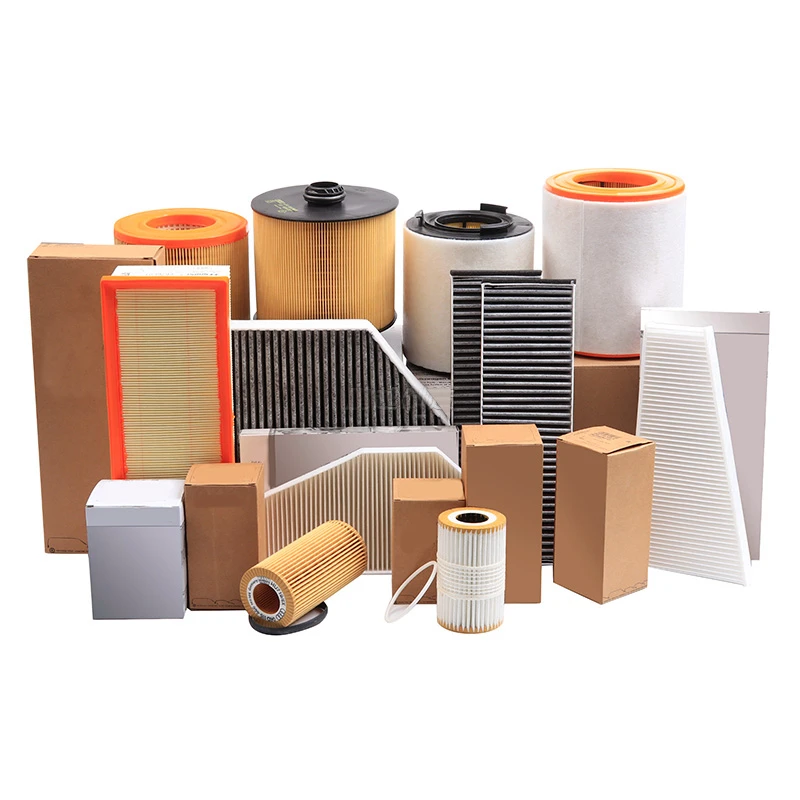
The Critical Role of the Car Air Filter in Automotive Performance
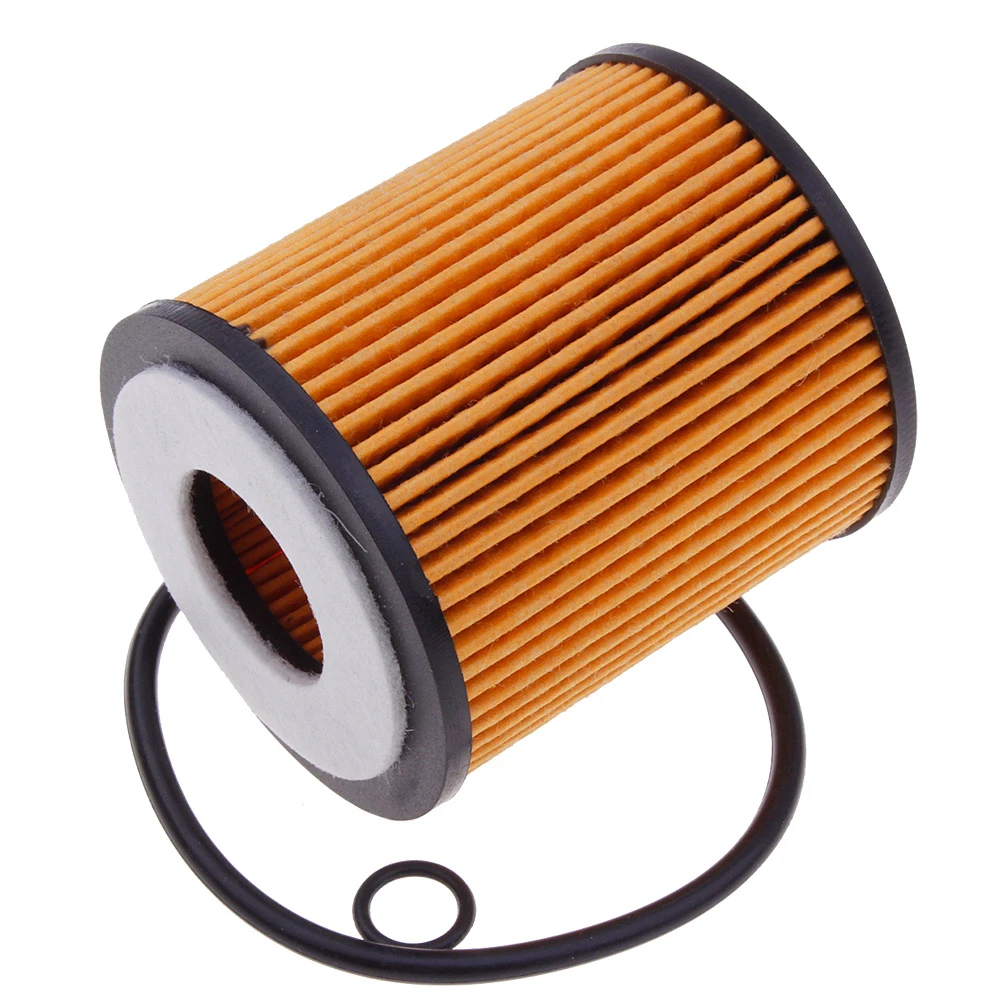
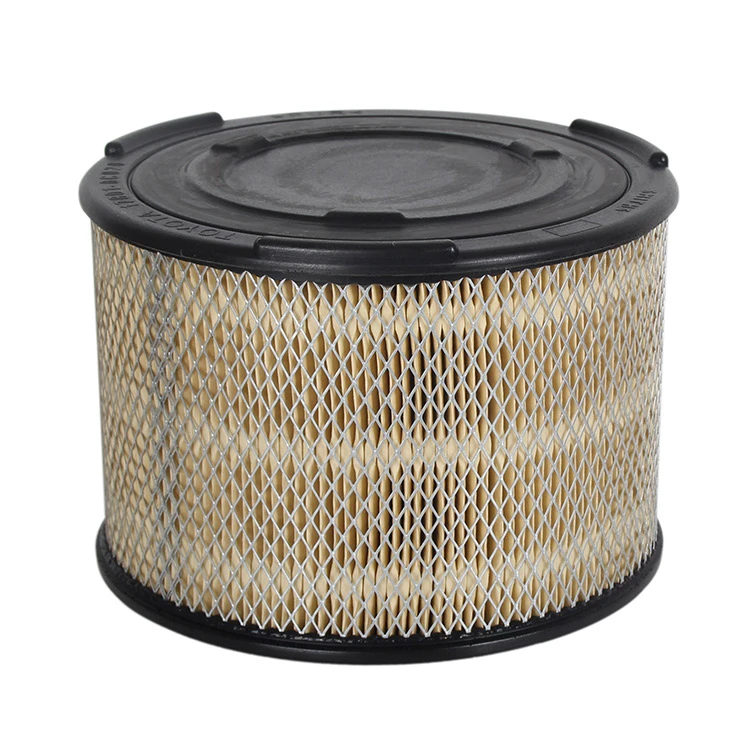
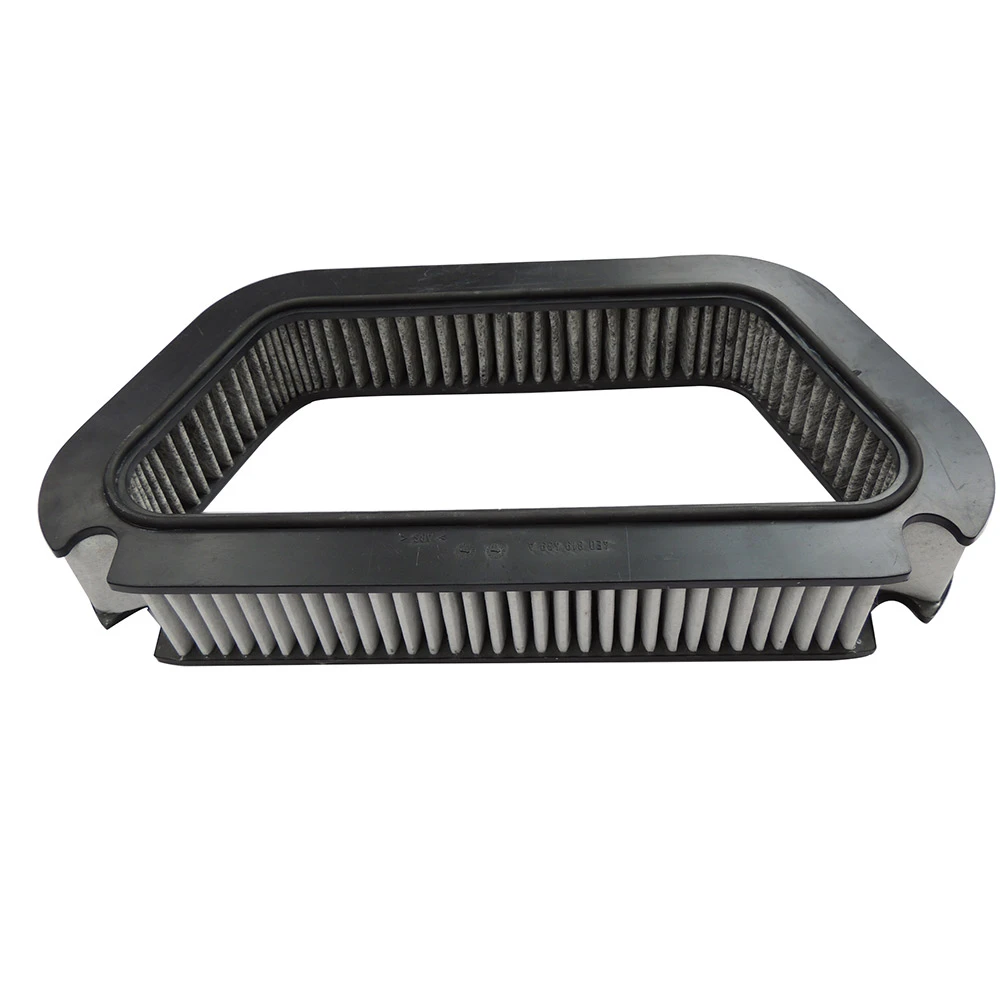
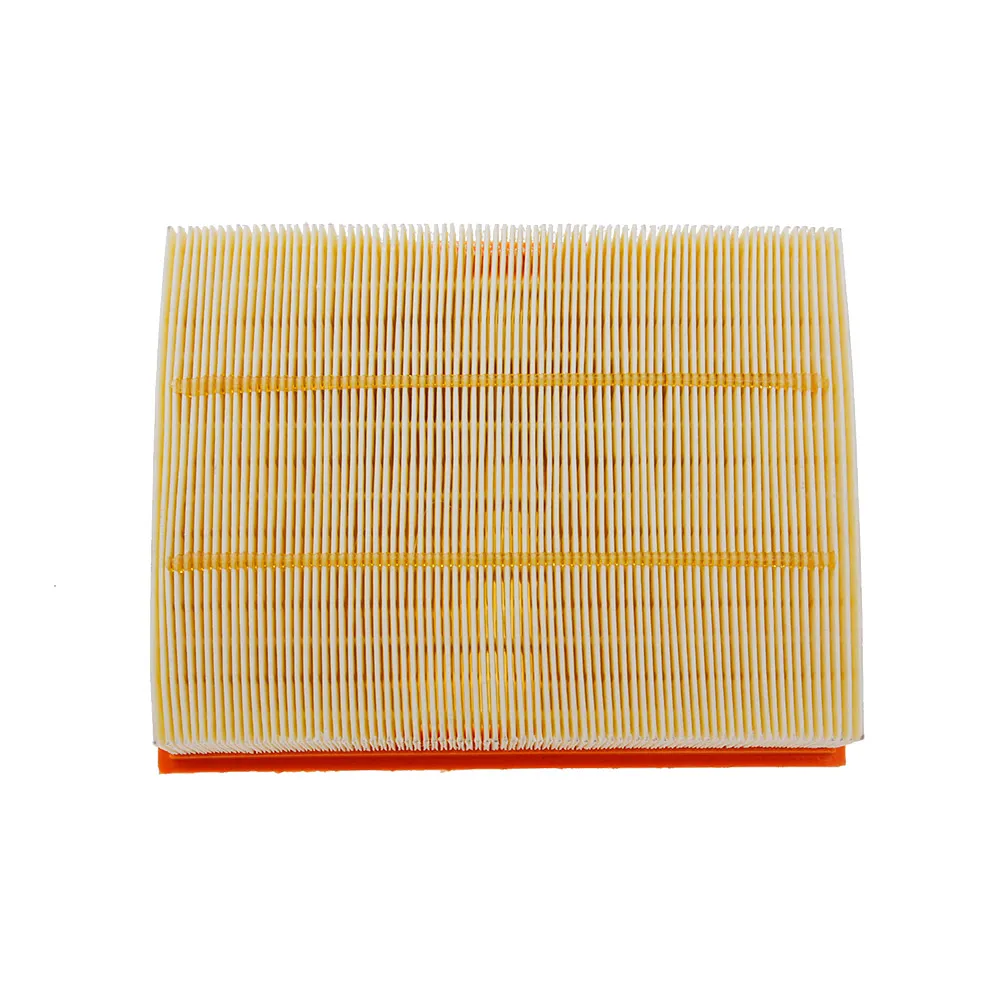
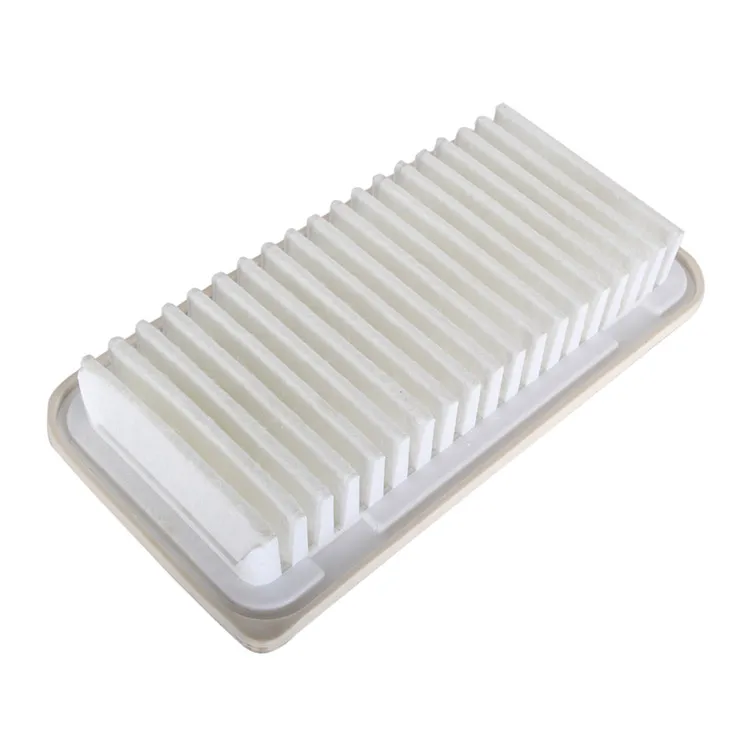
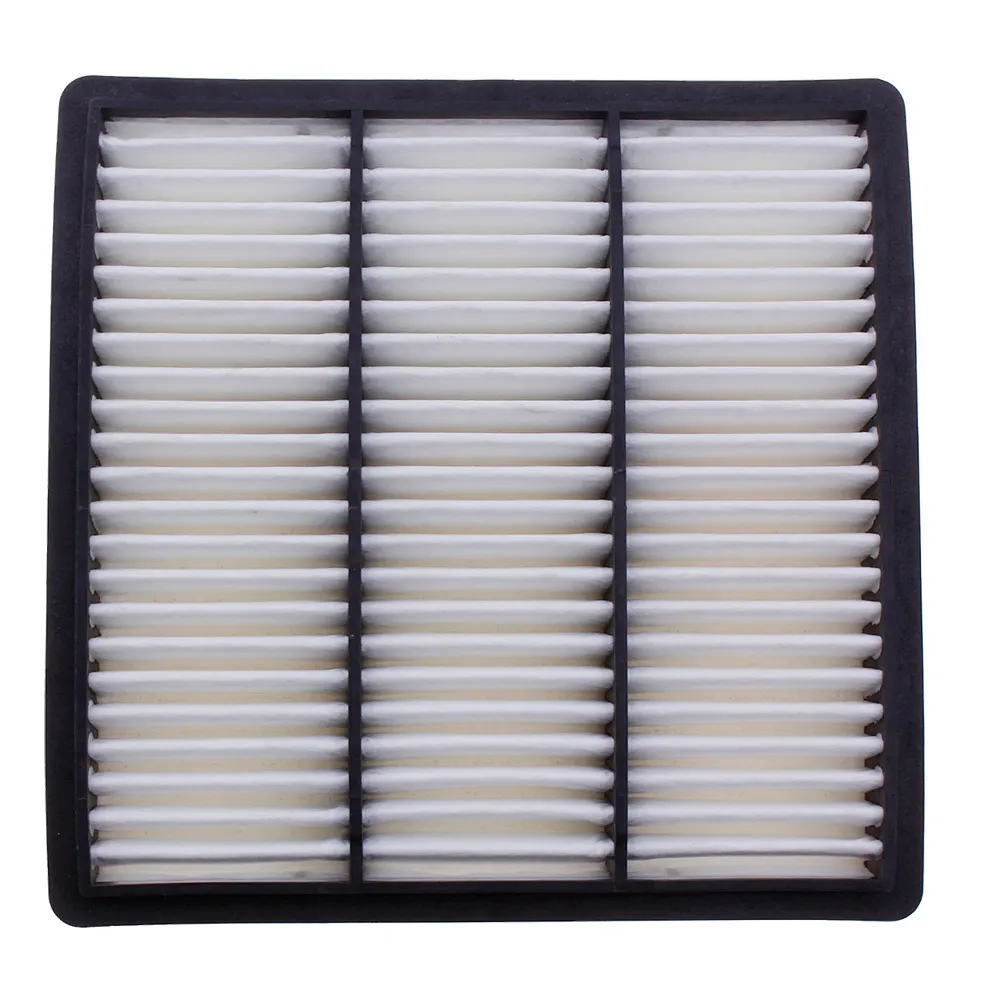
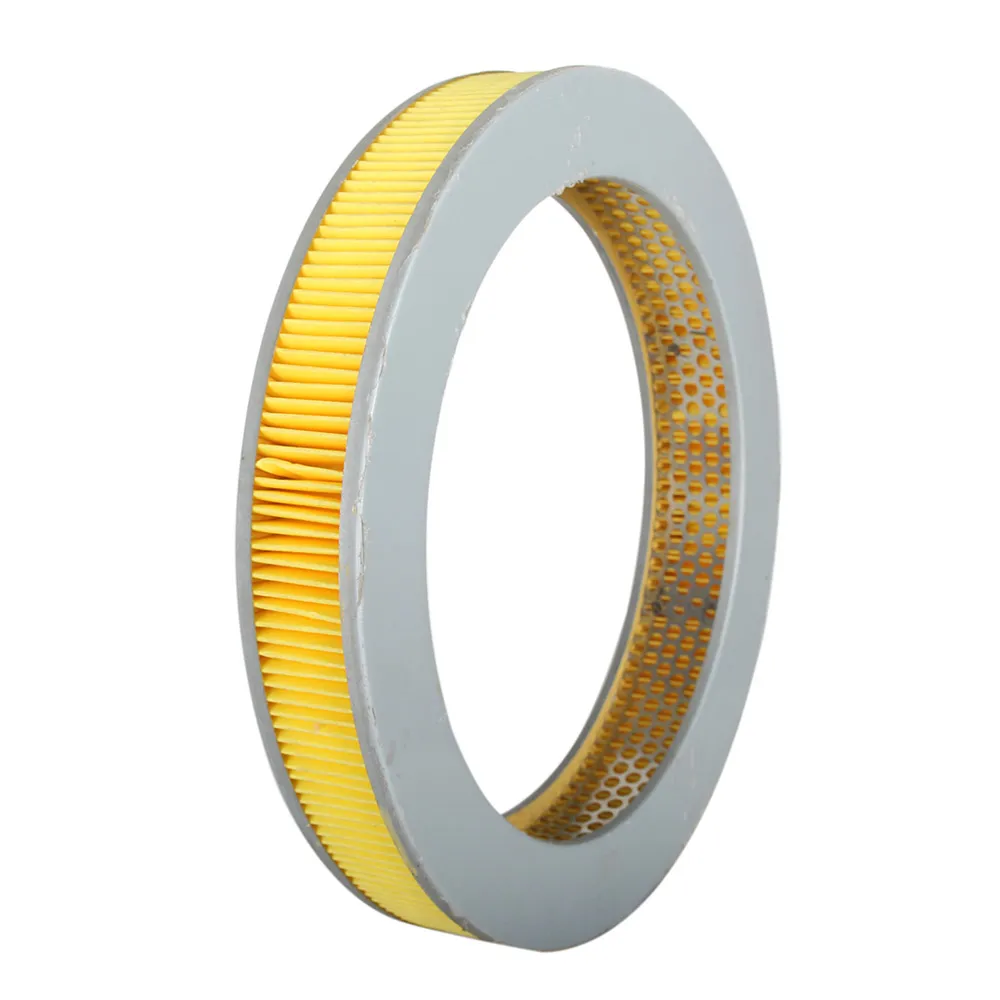
In the intricate ecosystem of an internal combustion engine, the car air filter stands as a paramount component, directly influencing engine longevity, fuel efficiency, and emission control. Its primary function is to safeguard the engine by preventing abrasive particles such as dust, dirt, pollen, and debris from entering the combustion chamber. Without effective filtration, these contaminants can lead to accelerated wear on critical engine components, including pistons, cylinder walls, and valves, ultimately compromising performance and significantly shortening the engine's operational life. Beyond engine protection, a high-quality filter also contributes to optimal air-fuel mixture ratios, ensuring efficient combustion and thereby enhancing fuel economy and reducing harmful exhaust emissions.
The demand for robust and efficient filtration solutions is continuously evolving, driven by stricter environmental regulations, advancements in engine technology, and increasing consumer expectations for vehicle reliability and performance. Manufacturers are constantly innovating, developing new media types and structural designs to meet these rigorous requirements, ensuring that every engine receives a clean, consistent supply of air.
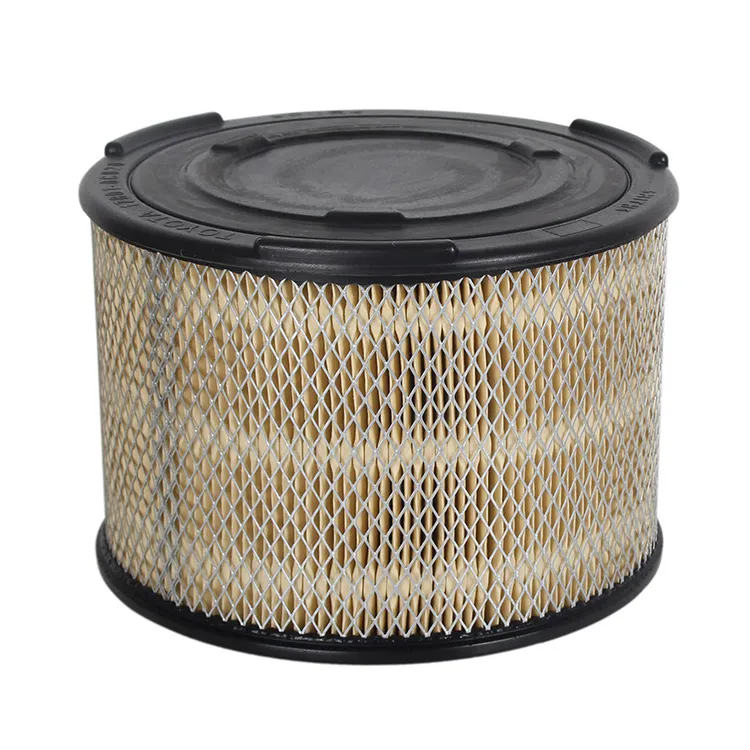
Industry Trends and Market Dynamics for Automotive Filtration
The global market for automotive filters, including the critical car air filter segment, is experiencing dynamic shifts. Key trends include a heightened focus on advanced filtration media, driven by the need for superior dust holding capacity and increased efficiency with minimal pressure drop. The rise of electric vehicles (EVs) also impacts this sector, though traditional internal combustion engine (ICE) vehicles continue to dominate, particularly in emerging markets. Hybrid vehicles, which combine ICE with electric powertrains, present unique challenges requiring specialized filtration solutions to accommodate varying operational conditions.
Technological innovation is pushing towards "smart filters" integrated with sensors for real-time monitoring of filter life and performance, offering predictive maintenance capabilities. Environmental concerns are also accelerating the development of eco-friendly, recyclable filter materials. The aftermarket segment for car air filter replacements remains robust, propelled by a growing global vehicle parc and increasing awareness among vehicle owners regarding preventative maintenance. According to market analysis, the global automotive filter market is projected to grow at a Compound Annual Growth Rate (CAGR) of approximately 4-6% over the next five years, indicating sustained demand for high-quality filtration products.
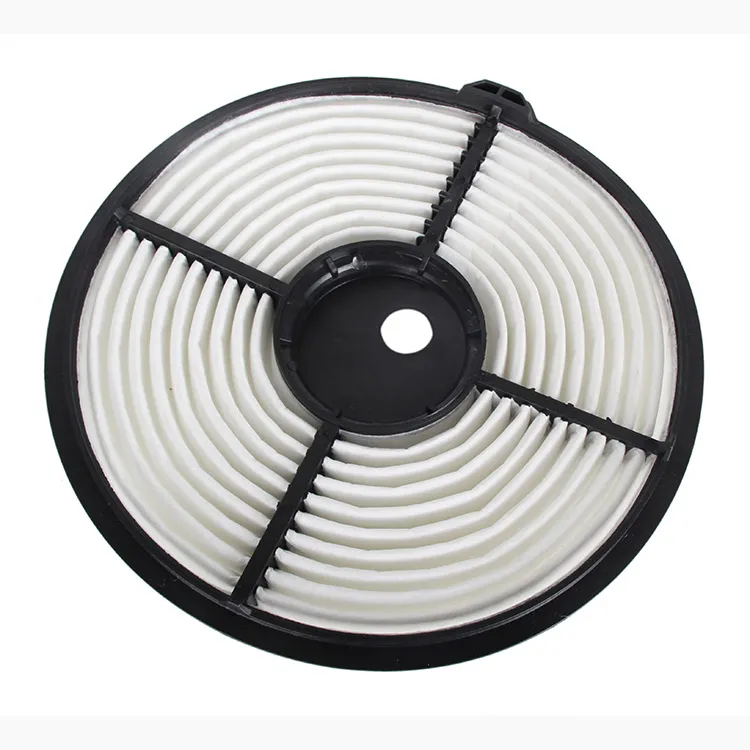
Technical Specifications and Core Functionality of Car Air Filters
The effectiveness of a car air filter is defined by several critical technical parameters. Foremost among these is the filtration media, typically composed of pleated cellulose, synthetic fibers, or cotton gauze. Cellulose filters are cost-effective and provide good basic filtration, while synthetic media often offers superior dust holding capacity, higher efficiency, and better moisture resistance. Cotton gauze filters, often oiled, are known for higher airflow and reusability, though they may offer slightly less fine particle filtration.
Key performance metrics include:
- Filtration Efficiency: Measured by international standards like ISO 5011, which assesses a filter's ability to remove particulate matter of various sizes. Higher efficiency means more contaminants are trapped.
- Airflow Rate (CFM): The volume of air that can pass through the filter within a given time. Optimal airflow is crucial for engine performance; too restrictive a filter can starve the engine.
- Pressure Drop: The resistance to airflow across the filter. A low-pressure drop is desirable as it minimizes engine work required to draw in air, thus improving fuel efficiency.
- Dust Holding Capacity: The amount of particulate matter a filter can retain before its efficiency or pressure drop reaches unacceptable levels, indicating its service life.
- Construction: The pleating design, type of adhesive, and frame material (e.g., polyurethane, rubber, or metal) contribute to the filter's structural integrity and seal against bypass.
Here is a typical specification table for a high-performance car air filter:
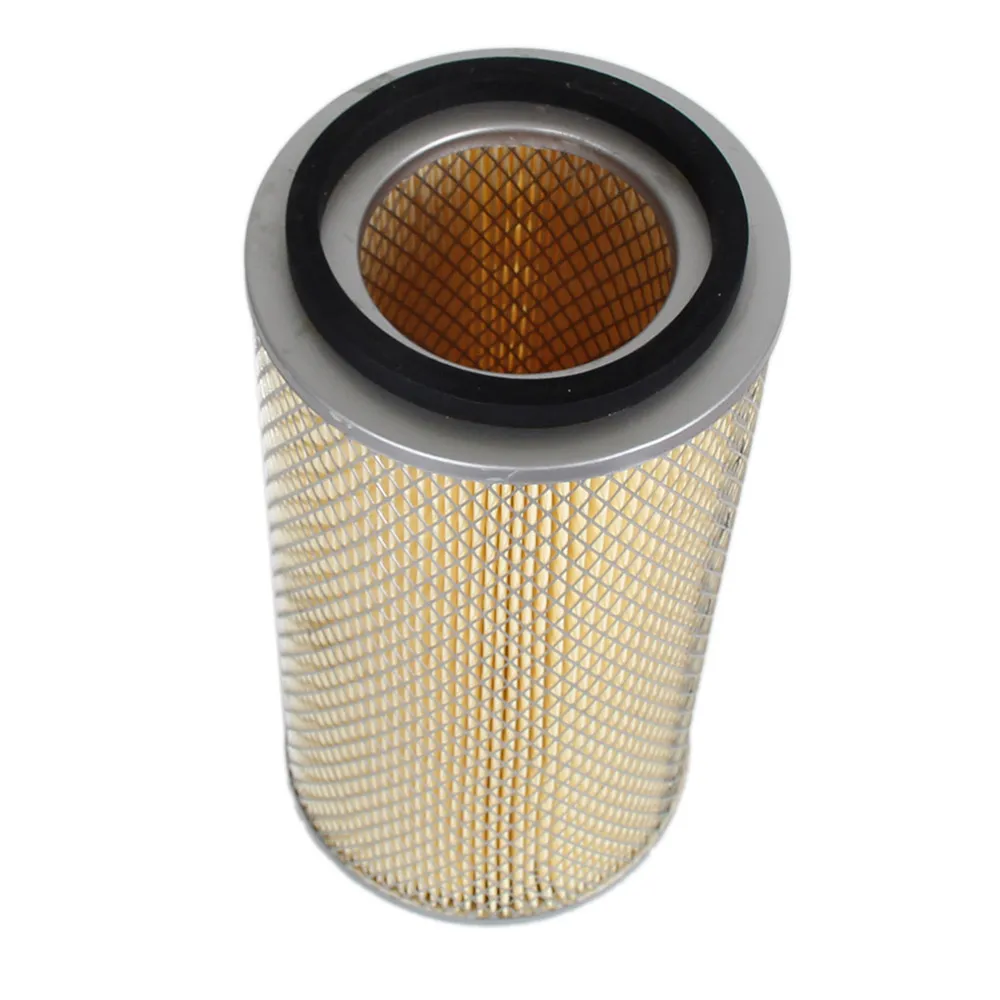
Manufacturing Process of a High-Quality Car Air Filter
The production of a high-performance car air filter is a meticulously controlled process designed to ensure consistent quality and optimal filtration. It combines advanced material science with precision engineering.
Materials Used:
- Filter Media: High-grade cellulose paper, synthetic non-woven fabrics (e.g., polyester, polypropylene), or blends, often resin-impregnated for stiffness and moisture resistance.
- End Caps/Gaskets: Polyurethane (PU) foam or durable rubber compounds for a secure, airtight seal within the filter housing.
- Adhesives: Hot-melt adhesives or specialized glues to secure pleats and bond media to end caps.
- Support Mesh (Optional): Metal or plastic mesh for structural reinforcement, especially in heavy-duty applications.
Manufacturing Process Flow:
Material selection, cutting to size, resin impregnation.
Precision folding of media to maximize surface area.
Securing pleats and bonding to frame.
Injection molding of polyurethane/rubber end caps.
Ensuring strong bonds and structural integrity.
Performance testing, visual inspection, leakage tests.
Testing Standards and Service Life:
Our filters adhere to stringent international testing standards such as ISO 5011 for filtration performance and SAE J726 for air cleaner test procedures. These standards cover aspects like dust holding capacity, pressure drop, and overall efficiency. The typical service life for a car air filter is generally between 12,000 to 15,000 miles or one year, though this can vary based on driving conditions, environment (e.g., dusty roads), and vehicle manufacturer recommendations. Regular replacement of the car air filter is crucial for maintaining engine health and efficiency.
Target Industries and Application Advantages:
Our advanced car air filters are deployed across a range of industries far beyond conventional passenger vehicles. They are critical for:
- Automotive Manufacturing (OEM): Supplying precision-engineered filters for new vehicle assembly, ensuring optimal initial performance.
- Fleet Management & Logistics: Providing robust filtration for commercial trucks and delivery vans, ensuring engine longevity and fuel efficiency across high-mileage operations, leading to significant energy saving.
- Construction & Agriculture: For heavy-duty machinery operating in extremely dusty and harsh environments, our filters offer superior protection against abrasive particles, reducing wear and improving equipment uptime.
- Aftermarket Retail: Offering high-quality replacement filters that meet or exceed OEM specifications, catering to repair shops and individual consumers focused on maintaining vehicle integrity.
Advantages in these typical scenarios include enhanced engine protection against wear, improved fuel economy due to cleaner air intake, and reduced operational costs through extended engine life and fewer unscheduled repairs.
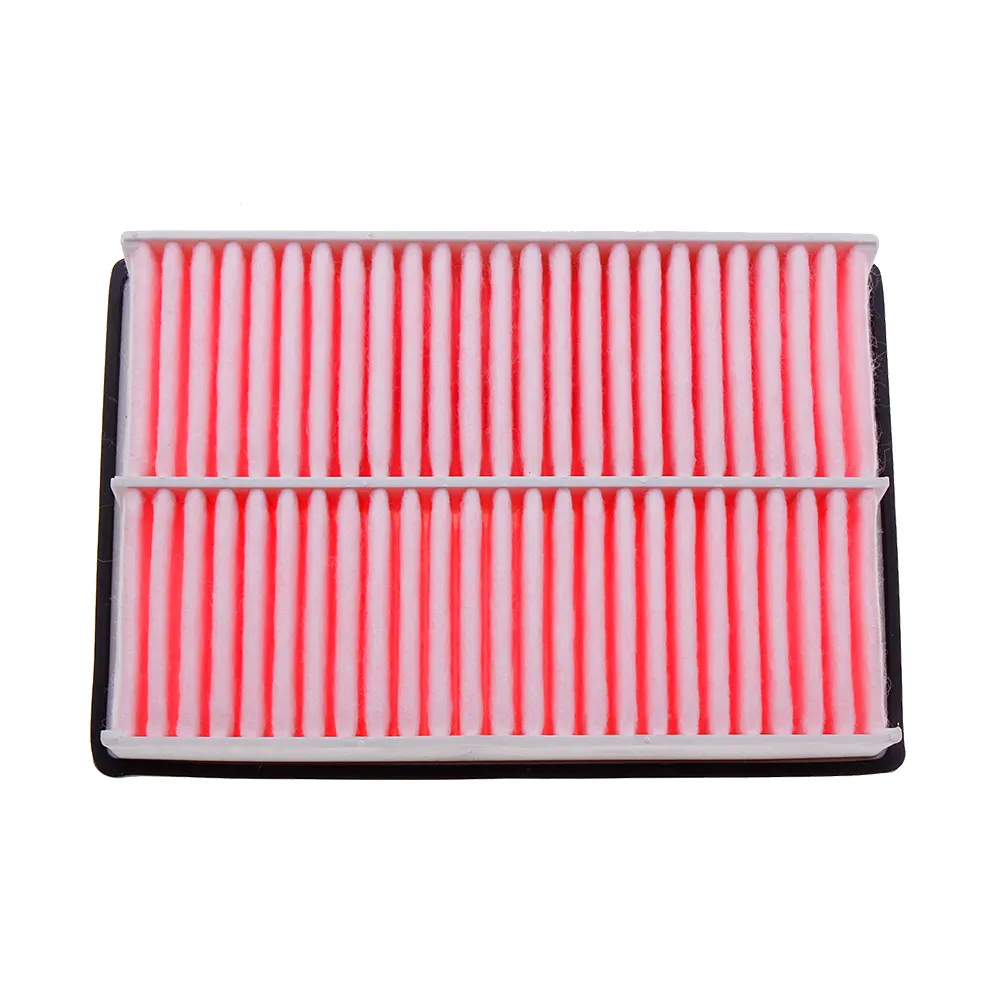
Application Scenarios and Target Industries
The diverse range of vehicles and operational environments necessitates specialized car air filter solutions. Our products are engineered to excel in various demanding scenarios:
- Passenger Vehicles: From compact sedans to luxury SUVs, our filters ensure optimal engine health and cabin air quality for everyday driving.
- Commercial Fleets: For logistics companies, municipal services, and public transport operators, consistent engine performance and minimized downtime are crucial. Our heavy-duty filters provide extended service intervals and superior protection for trucks and buses.
- Heavy-Duty Equipment: In industries like mining, construction, and agriculture, machinery operates in extremely challenging conditions. Filters for these applications require exceptional dust holding capacity and robust construction to withstand vibration and harsh elements.
- Performance & Motorsport: For high-performance engines, optimized airflow with minimal restriction is as vital as filtration efficiency. We offer filters that balance protection with maximizing horsepower and torque.
The benefits across these applications are consistent: significant improvements in engine longevity, enhanced fuel economy through cleaner air intake, and reduced exhaust emissions, contributing to environmental compliance.
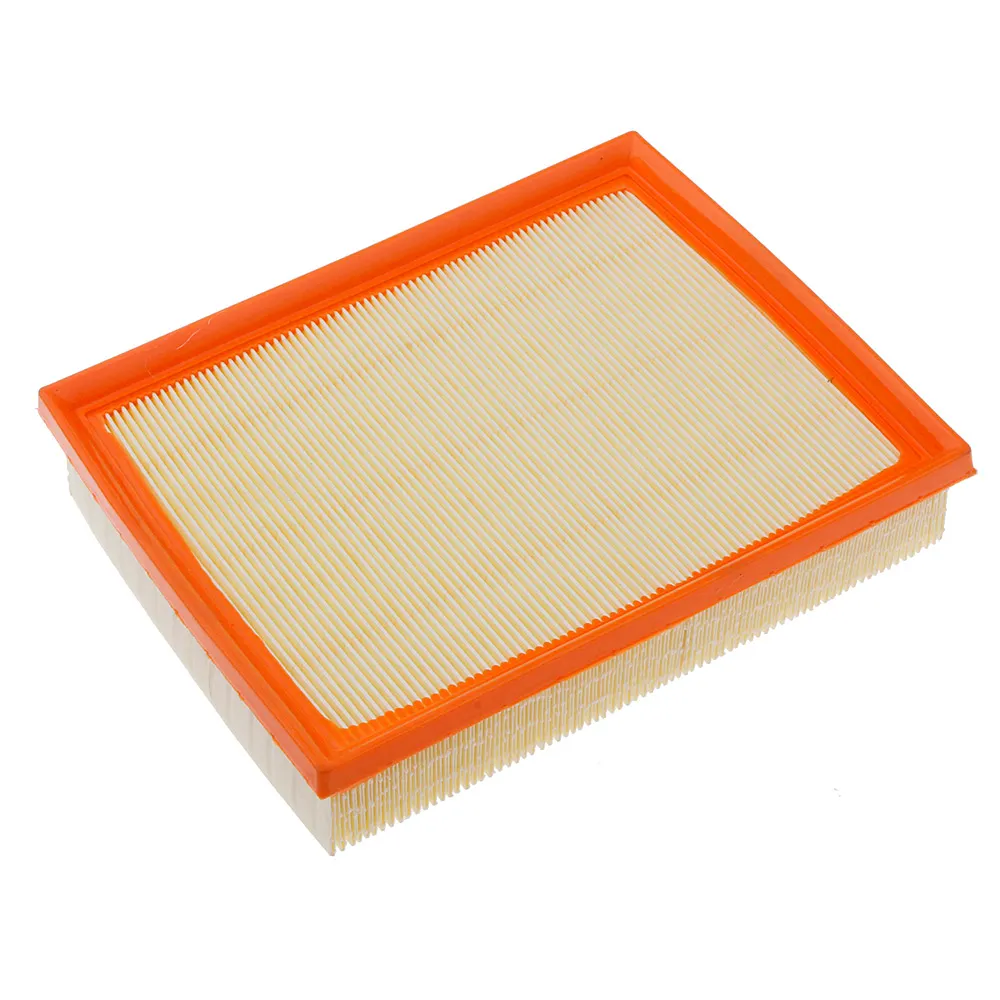
Technical Advantages and Performance Metrics
Our commitment to engineering excellence translates into distinct technical advantages for every car air filter we produce. These advantages are verified through rigorous testing and real-world application:
- Superior Filtration Efficiency: Utilizing advanced multi-layered synthetic media, our filters achieve >99.5% filtration efficiency for particles down to 0.3 microns, significantly outperforming standard cellulose filters. This ensures maximum protection against abrasive engine wear.
- Optimized Airflow & Low Pressure Drop: Our precision-pleated designs and media formulations are engineered to maximize airflow while minimizing pressure drop. This ensures the engine receives sufficient clean air for optimal combustion, leading to improved throttle response and enhanced fuel economy (up to 2-5% improvement in controlled tests).
- Extended Service Life: High dust holding capacity allows for longer replacement intervals, reducing maintenance frequency and operational costs for fleet operators. Our filters are designed to maintain their efficiency and structural integrity for their entire recommended lifespan.
- Robust Construction: Durable polyurethane end caps and high-strength adhesive bonds prevent leakage and bypass, even under severe operating conditions and temperature fluctuations (-40°C to +85°C).
- Corrosion Resistance: Materials are selected for their resistance to moisture and common automotive chemicals, ensuring integrity in diverse environmental conditions.
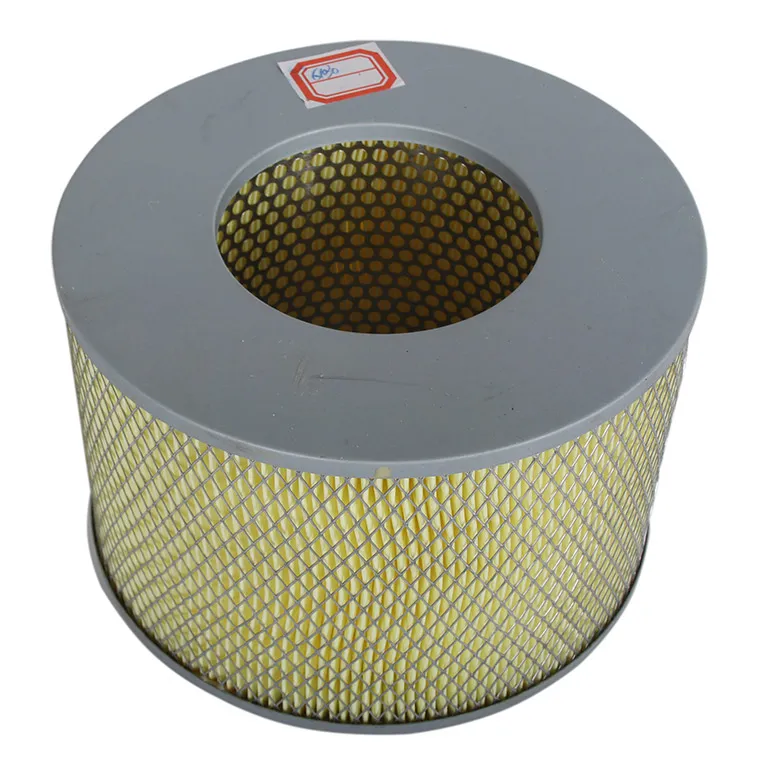
Vendor Comparison and Differentiation
When selecting a supplier for a car air filter, B2B clients evaluate factors far beyond initial unit cost. Differentiation lies in consistent quality, technical support, customization capabilities, and proven performance.
Comparison Factors:
- OEM vs. Aftermarket: While OEM filters are designed specifically for vehicle models, premium aftermarket suppliers often meet or exceed OEM specifications, sometimes offering enhanced performance or extended life at competitive prices.
- Filtration Media Quality: Some manufacturers use lower-cost media that compromises efficiency or dust holding capacity. Our filters utilize high-grade synthetic blends that balance efficiency with optimal airflow.
- Construction Integrity: Inferior filters may exhibit poor pleat spacing, weak adhesive bonds, or inadequate gasket materials, leading to bypass and reduced engine protection.
- R&D Investment: Leading suppliers invest heavily in research and development to innovate new media technologies and filter designs, adapting to evolving engine requirements and environmental standards.
- Certifications and Testing: Adherence to ISO, IATF 16949, and other automotive industry standards is a hallmark of a reliable vendor.
Our Differentiation:
We distinguish ourselves through:
- Uncompromising Quality: Every car air filter undergoes stringent quality control and performance testing, ensuring consistent adherence to advertised specifications.
- Advanced Engineering: Our R&D team continuously develops cutting-edge filtration media and structural designs, providing solutions that anticipate future automotive needs.
- Customization Expertise: We offer bespoke filtration solutions, working closely with OEMs and large fleets to design filters optimized for specific vehicle models, operating conditions, and performance targets.
- Technical Support: Our dedicated technical team provides expert guidance, from product selection to application-specific recommendations and troubleshooting.
Here’s a simplified comparison:
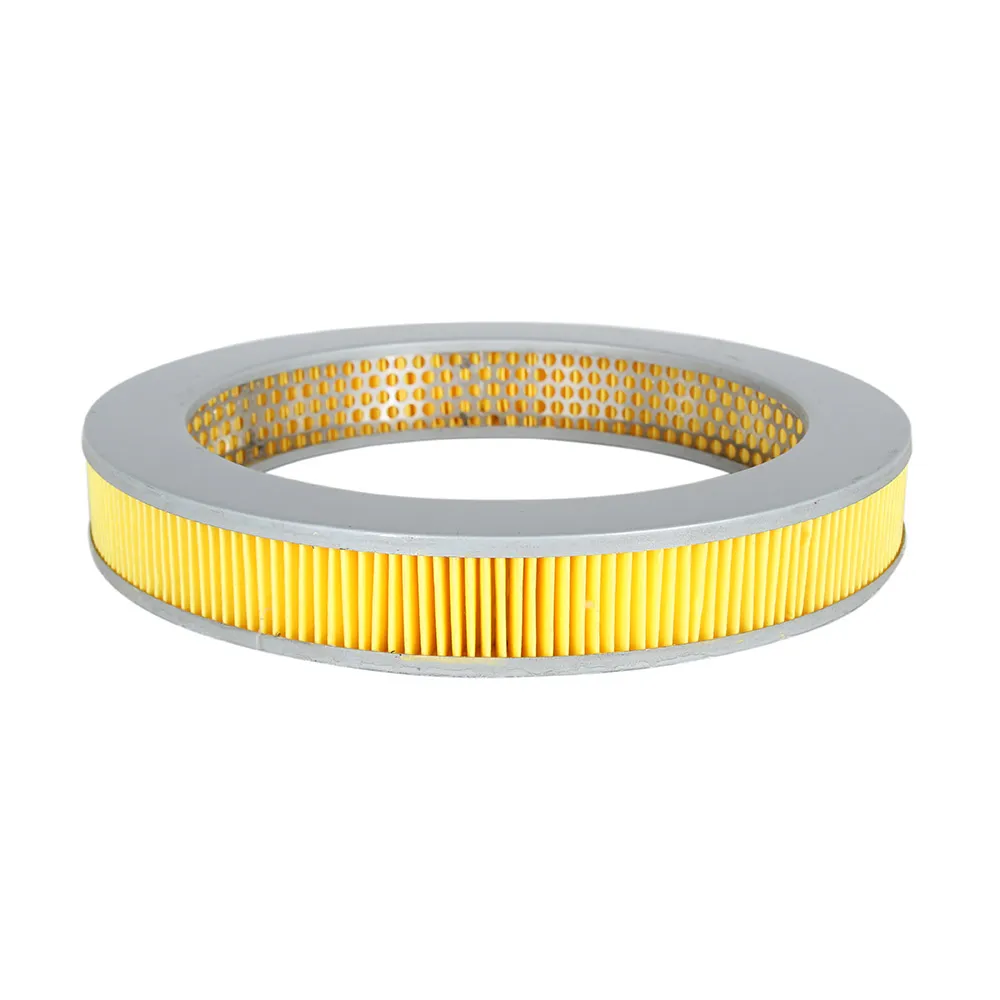
Customized Solutions for Specialized Filtration Needs
Recognizing that off-the-shelf solutions may not always meet the precise demands of every application, we specialize in developing customized car air filter solutions. This bespoke approach is particularly valuable for Original Equipment Manufacturers (OEMs), large-scale fleet operators, and industrial clients with unique operational parameters.
Our customization capabilities include:
- Media Optimization: Developing proprietary filter media blends to achieve specific filtration efficiency, dust holding capacity, or airflow characteristics tailored for extreme environmental conditions (e.g., deserts, urban pollution).
- Geometric Design: Custom molding and pleating patterns to fit unique airbox configurations, maximizing filtration area within limited space constraints. This can involve specialized shapes, sizes, and pleat geometries.
- Material Selection: Utilizing specific materials for end caps and gaskets to withstand particular chemical exposures, high temperatures, or vibration levels encountered in specialized machinery.
- Integrated Solutions: Incorporating additional functionalities, such as pre-filters, specific sealing mechanisms, or even sensor integration for smart filter applications, based on client requirements.
Our engineering team works collaboratively with clients from concept development to prototyping and final production, ensuring the customized car air filter seamlessly integrates into their systems and delivers optimal performance.
Real-World Application Case Studies
Case Study: Enhancing Fleet Efficiency for a Major Logistics Company
A prominent logistics company, operating a fleet of 500 delivery vans and trucks, faced recurring challenges with engine wear and suboptimal fuel efficiency, particularly in vehicles operating in dusty urban and rural environments. Their existing car air filter solution required frequent replacements and did not adequately protect engines from fine particulate matter.
Challenge:
- High frequency of car air filter replacements (every 8,000 miles).
- Elevated engine wear indicated by oil analysis, leading to increased maintenance costs.
- Average fuel efficiency below fleet targets.
Our Solution:
We partnered with the logistics company to develop a customized high-performance car air filter using our advanced synthetic media. The solution focused on:
- Increasing dust holding capacity to extend service intervals.
- Improving filtration efficiency to capture finer particles.
- Optimizing airflow to maintain engine power and fuel efficiency.
Results (Over 12-Month Pilot Program):
- Extended Service Life: Filter replacement intervals increased by 50% to 12,000 miles, reducing labor and material costs.
- Reduced Engine Wear: Subsequent oil analyses showed a significant reduction in abrasive metal particles, indicating better engine protection.
- Improved Fuel Efficiency: The fleet experienced an average 3% improvement in fuel economy, resulting in substantial annual savings across 500 vehicles.
- Lower Operational Costs: Overall maintenance costs related to air filtration and engine wear were reduced by 15%.
This case study demonstrates the tangible benefits of investing in high-quality, application-specific filtration solutions, translating directly into operational efficiency and cost savings for our B2B partners.
Ensuring Quality and Compliance: Our Commitment to Authoritativeness
Our dedication to providing superior car air filter solutions is underscored by our adherence to stringent quality management systems and industry certifications. This commitment forms the bedrock of our authoritativeness in the filtration sector.
Certifications and Standards:
- ISO 9001:2015 Certified: Our entire manufacturing and quality management process adheres to the internationally recognized ISO 9001 standard, ensuring consistent product quality and customer satisfaction.
- IATF 16949 Compliant: For automotive-specific applications, we follow the technical specifications of IATF 16949, demonstrating our capability to meet the highest quality standards required by automotive OEMs.
- Compliance with ISO 5011 & SAE J726: All car air filter products are tested in accordance with these critical industry standards for air filter performance, providing verifiable data on efficiency, dust holding capacity, and pressure drop.
Partnerships and Expertise:
- Trusted by Leading Automotive Brands: We are a preferred supplier to several prominent automotive aftermarket distributors and have a track record of collaboration with OEM partners on specialized filtration projects.
- Decades of Industry Experience: With extensive years in the filtration industry, our accumulated expertise informs every design and manufacturing decision, allowing us to anticipate and address complex filtration challenges.
- Investment in R&D: Our continuous investment in research and development ensures we remain at the forefront of filtration technology, developing innovative solutions that push performance boundaries.
Trustworthiness: FAQs, Fulfillment, Warranty, and Support
Frequently Asked Questions (FAQs):
A: Generally, every 12,000 to 15,000 miles or once a year, though this can be sooner in dusty conditions or for heavy-duty vehicles. Always refer to your vehicle manufacturer's recommendations.
A: Common signs include decreased fuel efficiency, reduced engine power, black smoke from the exhaust, an engine misfire, or an illuminated "Check Engine" light.
A: Yes, a dirty car air filter can restrict airflow, leading to a richer air-fuel mixture, which can increase harmful exhaust emissions and potentially cause a vehicle to fail emission tests.
Lead Time and Fulfillment:
We understand the critical importance of timely delivery for B2B operations. Our lead times for standard car air filter orders typically range from 2-4 weeks, depending on order volume and specific product configuration. For customized solutions, lead times are determined during the initial project planning phase, factoring in design, prototyping, and testing. We maintain robust supply chain management and efficient manufacturing processes to ensure consistent fulfillment and minimize disruption to your operations. Expedited options are available upon request for urgent requirements.
Warranty Commitments:
All our car air filter products are backed by a comprehensive 12-month or 15,000-mile limited warranty (whichever comes first), covering defects in materials and workmanship under normal operating conditions. Our commitment is to ensure the reliability and performance of our products, providing peace of mind for our partners. Full warranty details are provided with every order and are available upon request.
Customer Support:
Our dedicated customer support team is available to assist with product selection, technical inquiries, order tracking, and any post-sales support needs. We pride ourselves on responsive and knowledgeable assistance, ensuring a seamless experience for our B2B clients.
- Email: support@jyfilter.com
- Phone: +1 (XXX) XXX-XXXX (Mon-Fri, 9 AM - 5 PM EST)
- Online Portal: Access our client portal for FAQs, technical datasheets, and support tickets.
Conclusion
The performance of a car air filter is not merely an accessory function but a foundational element dictating engine health, operational efficiency, and environmental compliance. Our commitment to advanced engineering, rigorous quality control, and comprehensive customer support ensures that our filtration solutions deliver unmatched performance and value. For B2B partners seeking reliable, high-performance filtration, our expertise and product range offer a strategic advantage, contributing directly to reduced total cost of ownership and enhanced vehicle longevity.
References:
- International Organization for Standardization. ISO 5011: Road vehicles — Filter elements for air filters of internal combustion engines — Test method for assessing filtration performance.
- Society of Automotive Engineers. SAE J726: Air Cleaner Test Code.
- International Automotive Task Force. IATF 16949: Quality management system standard for the automotive industry.
- ResearchAndMarkets.com. Automotive Filters Market - Growth, Trends, COVID-19 Impact, and Forecasts (2023 - 2028).
- United States Environmental Protection Agency (EPA) - Vehicle and Engine Emissions.
-
Guide on how often do you need to replace engine air filterNewsApr.16,2026
-
Learn how often do you replace air filter in car for engine healthNewsApr.09,2026
-
How Often Do You Replace Car Air Filter For Optimal Engine PerformanceNewsApr.07,2026
-
How Often Do You Replace Engine Air Filter For Optimal Vehicle PerformanceNewsApr.04,2026
-
Understanding How Often Does Engine Air Filter Need to Be Replaced for Optimal PerformanceNewsMar.31,2026
-
How Often Engine Air Filter Change Impacts Performance and LongevityNewsMar.28,2026
-
Understanding How Often to Replace Your Car Air Filter for Optimal PerformanceNewsMar.26,2026
Related Products