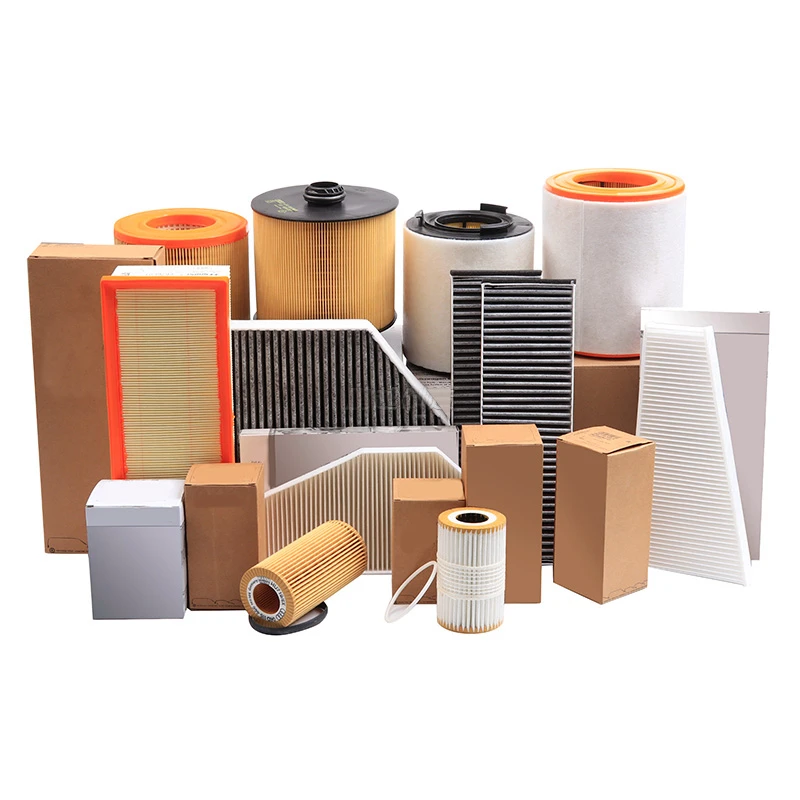
How Often To Change Car Filter: A Deep Dive for Professionals
Okay, so how often should you change your car filter? It’s a deceptively simple question, isn’t it? It’s not just about mileage anymore. It’s about driving conditions, the type of filter, even the air quality where the vehicle operates. Frankly, a lot of fleet managers are stuck in a ‘one-size-fits-all’ approach that can lead to premature replacements – or worse, neglected filters causing real engine issues. Jyfilter is focused on providing robust solutions, built to withstand a wider range of operating environments, and frankly, to last longer, but even the best filter needs replacing eventually. It’s a surprisingly complex topic when you start digging.
Table of Contents
- How Often To Change Car Filter Overview
- Benefits & Use Cases of How Often To Change Car Filter
- Cost, Maintenance & User Experience
- Sustainability & Market Trends
How Often To Change Car Filter Overview
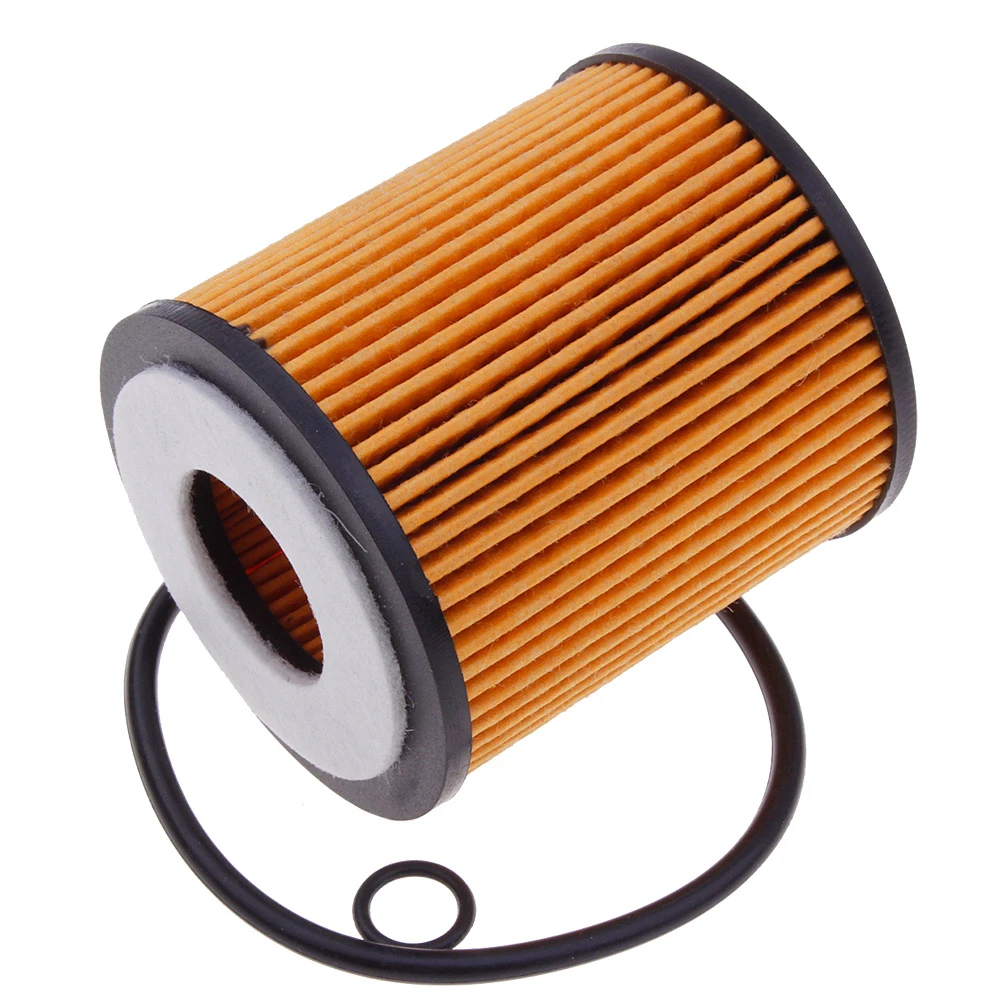
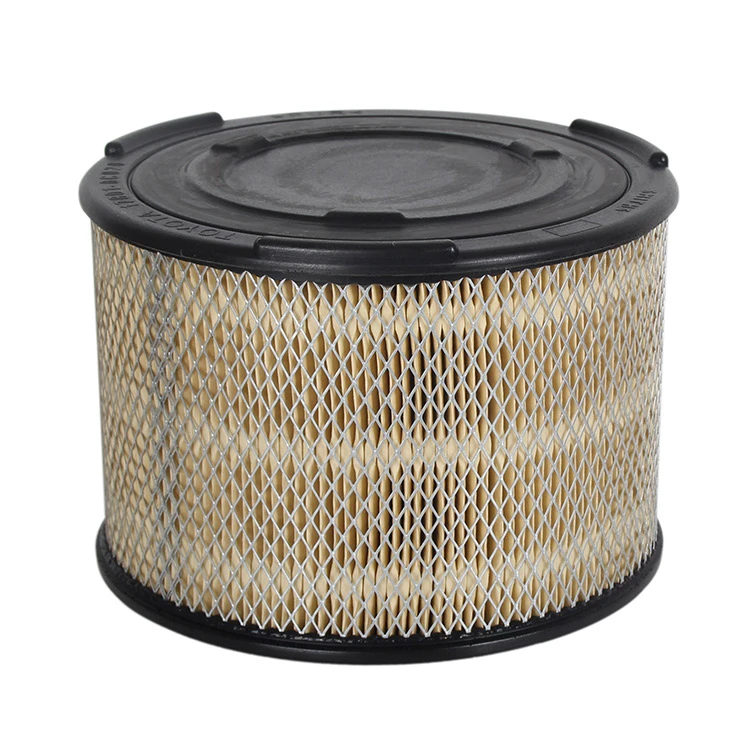
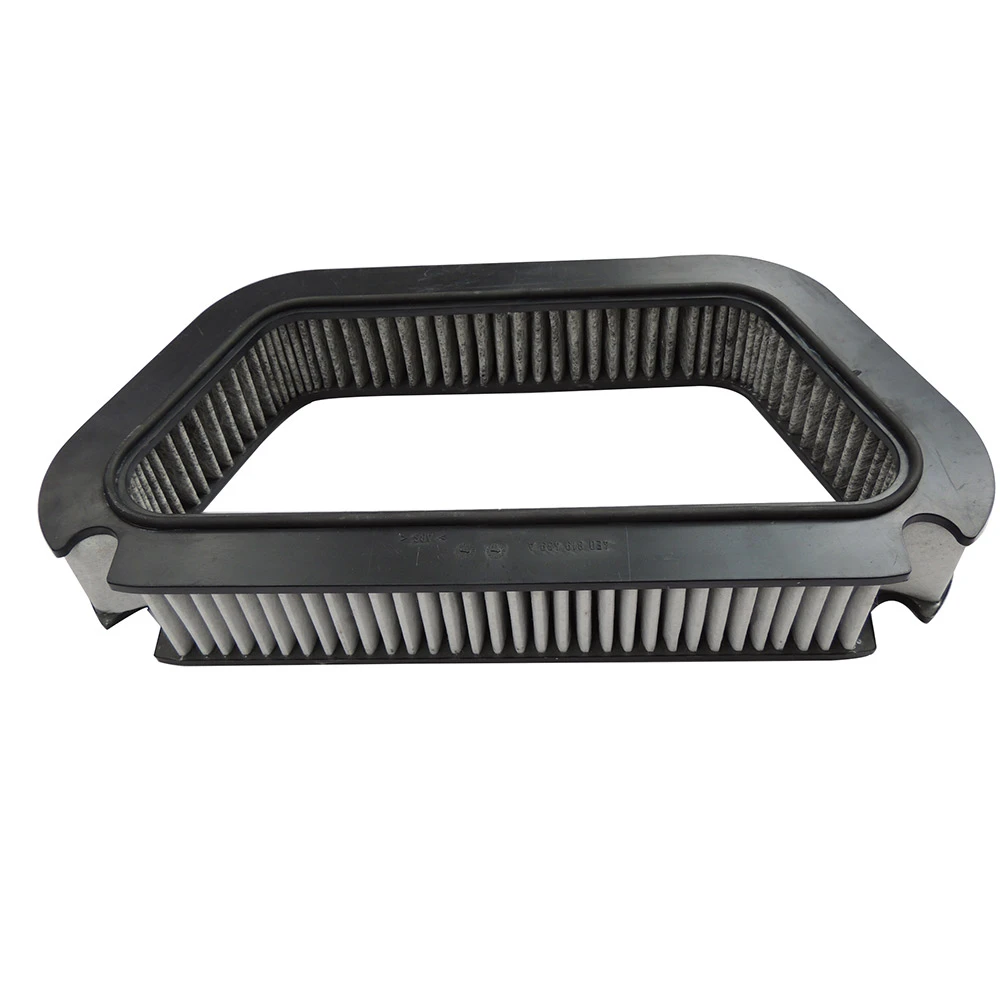
At its most basic, a car filter’s job is to keep contaminants out of the engine. Dust, pollen, debris...you name it. But the materials matter – a lot. Jyfilter uses a multi-layer synthetic media that’s really quite effective at trapping particles without significantly restricting airflow. I suppose that’s the key balance, right? We’ve moved beyond simple paper filters, that’s for sure. Here's a quick look at some specs:
| Parameter | Specification | Notes |
|---|---|---|
| Filter Media | Multi-Layer Synthetic | High efficiency particle removal |
| Efficiency | 99.97% @ 0.3 microns | Tested to industry standards |
| Pressure Drop | ≤ 100 Pa @ rated airflow | Minimizes engine strain |
Benefits & Use Cases of How Often To Change Car Filter
We’re seeing a lot of interest from construction companies, oddly enough. The sheer amount of dust and particulate matter those vehicles deal with is insane. Traditional filters clog fast, leading to engine overheating and reduced performance. Jyfilter’s extended-life filters really shine there. And it’s not just construction. Any fleet operating in harsh environments – mining, agriculture, even delivery services in urban areas – benefits. The extended life translates directly into lower maintenance costs and less downtime. Plus, a cleaner engine just…runs better, you know?
Cost, Maintenance & User Experience
Total cost of ownership is where we really win. Yes, our filters might have a slightly higher upfront cost, but the extended life and reduced maintenance offset that pretty quickly. We had one customer, a large trucking firm, who estimated they saved over $5,000 a year in filter replacements alone. They also noticed a slight improvement in fuel efficiency – likely due to the consistent airflow. Here’s how we stack up against the competition:
| Vendor | Filter Life (Miles) | Price (USD) | Efficiency |
|---|---|---|---|
| Jyfilter | 25,000 - 40,000 | $45 | 99.97% |
| Brand A | 15,000 - 20,000 | $30 | 98% |
| Brand B | 10,000 - 15,000 | $20 | 95% |
Sustainability & Market Trends
There’s a growing emphasis on sustainability, which is good. Longer-lasting filters mean less waste, of course. Also, many engineers are looking at the whole life cycle assessment – the energy used in manufacturing, shipping, and disposal. We’re actively working on sourcing more sustainable materials and optimizing our packaging. The market is shifting towards preventative maintenance and predictive analytics. You know, sensors that can actually monitor filter condition in real-time... that's where things are going.
Frequently Asked Questions about How Often To Change Car Filter
- What is How Often To Change Car Filter and how does it work?
- A car filter cleans the air entering the engine, preventing damage from contaminants. Modern filters use advanced synthetic media to efficiently trap particles without restricting airflow.
- What are the main benefits of using How Often To Change Car Filter in industrial applications?
- Reduced downtime, lower maintenance costs, improved engine performance, and extended filter life are key advantages, especially in harsh operating environments.
- How does How Often To Change Car Filter compare to traditional alternatives?
- Jyfilter filters offer superior efficiency and longevity compared to traditional paper filters, resulting in a lower total cost of ownership.
- What industries can benefit most from How Often To Change Car Filter implementation?
- Construction, mining, agriculture, trucking, and any industry operating in dusty or polluted environments will see significant benefits.
Conclusion on How Often To Change Car Filter from china
Ultimately, the "right" interval for changing your car filter isn't a fixed number. It's about understanding your operating conditions and choosing a high-quality filter designed to handle them. Investing in a durable, efficient filter like those from Jyfilter can save you money and headaches in the long run. Visit our website: https://www.jyfilter.com.
- Don’t just replace filters; invest in performance.
-
Guide on how often do you need to replace engine air filterNewsApr.16,2026
-
Learn how often do you replace air filter in car for engine healthNewsApr.09,2026
-
How Often Do You Replace Car Air Filter For Optimal Engine PerformanceNewsApr.07,2026
-
How Often Do You Replace Engine Air Filter For Optimal Vehicle PerformanceNewsApr.04,2026
-
Understanding How Often Does Engine Air Filter Need to Be Replaced for Optimal PerformanceNewsMar.31,2026
-
How Often Engine Air Filter Change Impacts Performance and LongevityNewsMar.28,2026
-
Understanding How Often to Replace Your Car Air Filter for Optimal PerformanceNewsMar.26,2026
Related Products