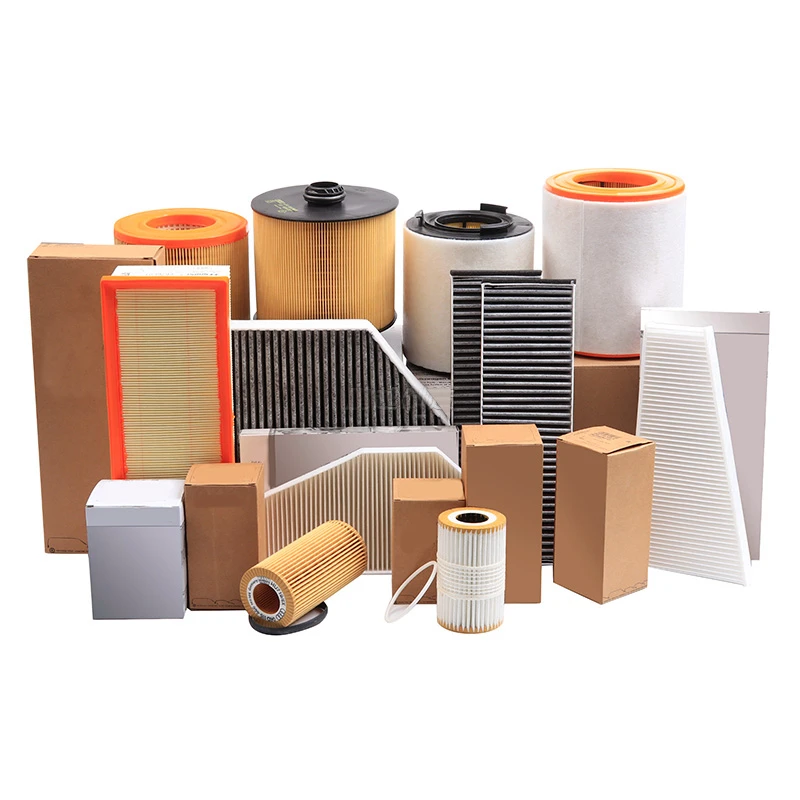
How Often Should Air Filters Be Changed Car?
Maintaining your vehicle involves several crucial aspects, and regularly changing your car's air filter is among the most important. A clean air filter ensures optimal engine performance, improves fuel efficiency, and prolongs the life of your engine. But how often should air filters be changed car? This article will delve into the factors influencing air filter replacement, providing a comprehensive guide to keep your engine breathing easily. Ignoring this simple maintenance task can lead to costly repairs down the line, so understanding the right schedule is essential.
Understanding the Role of Your Car’s Air Filter
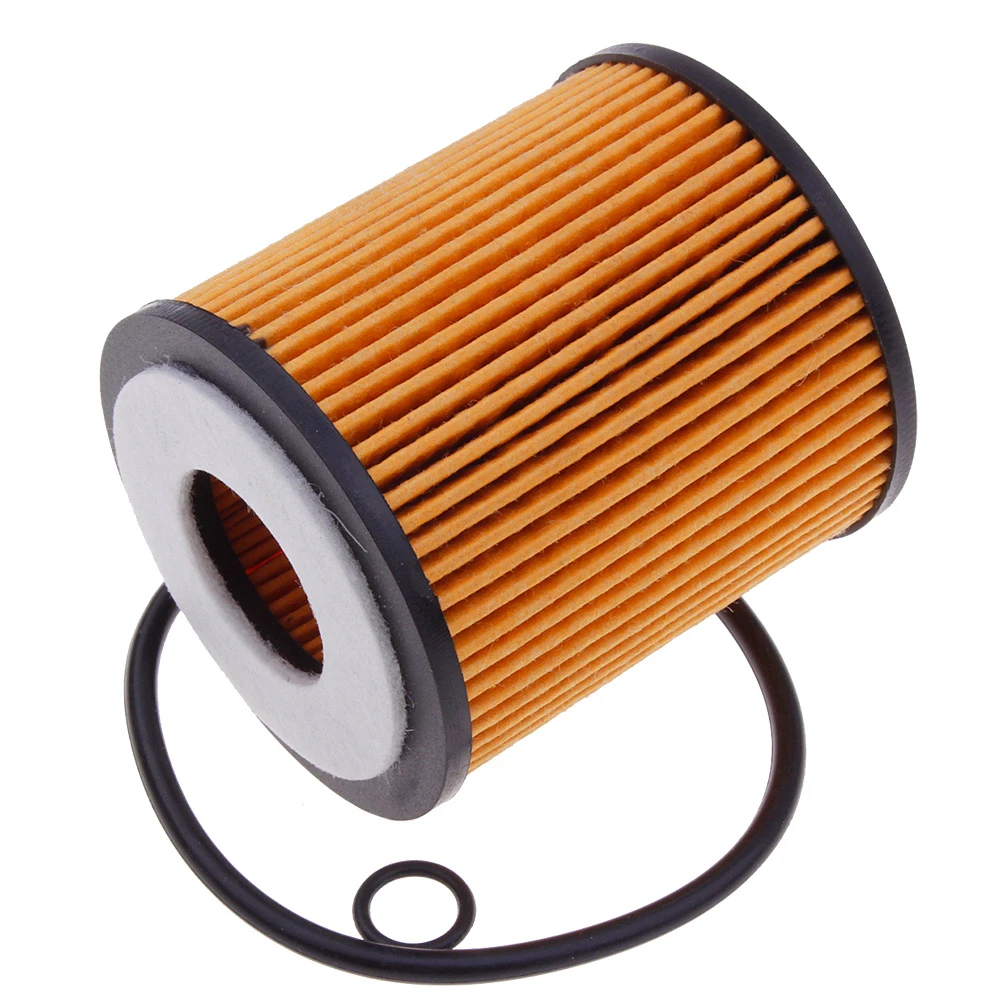
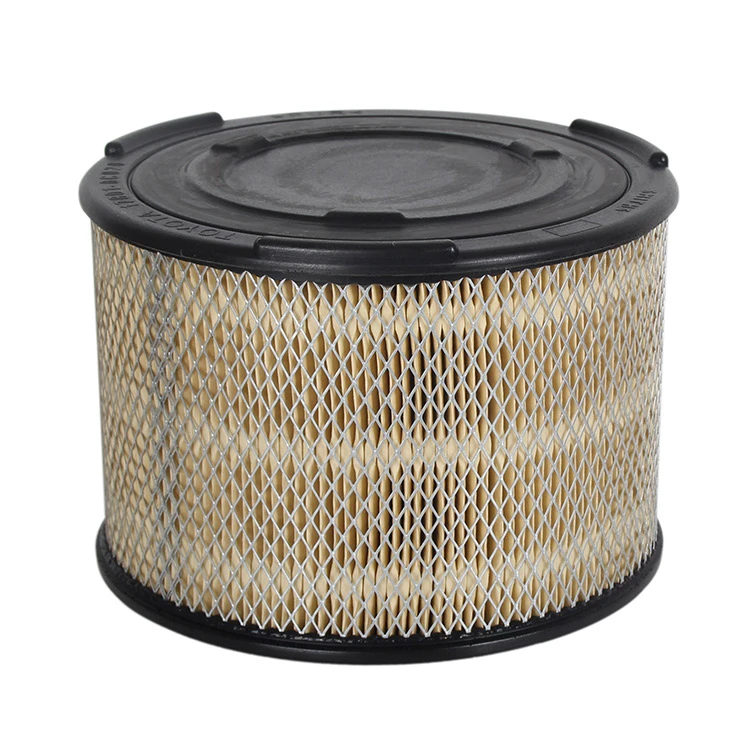
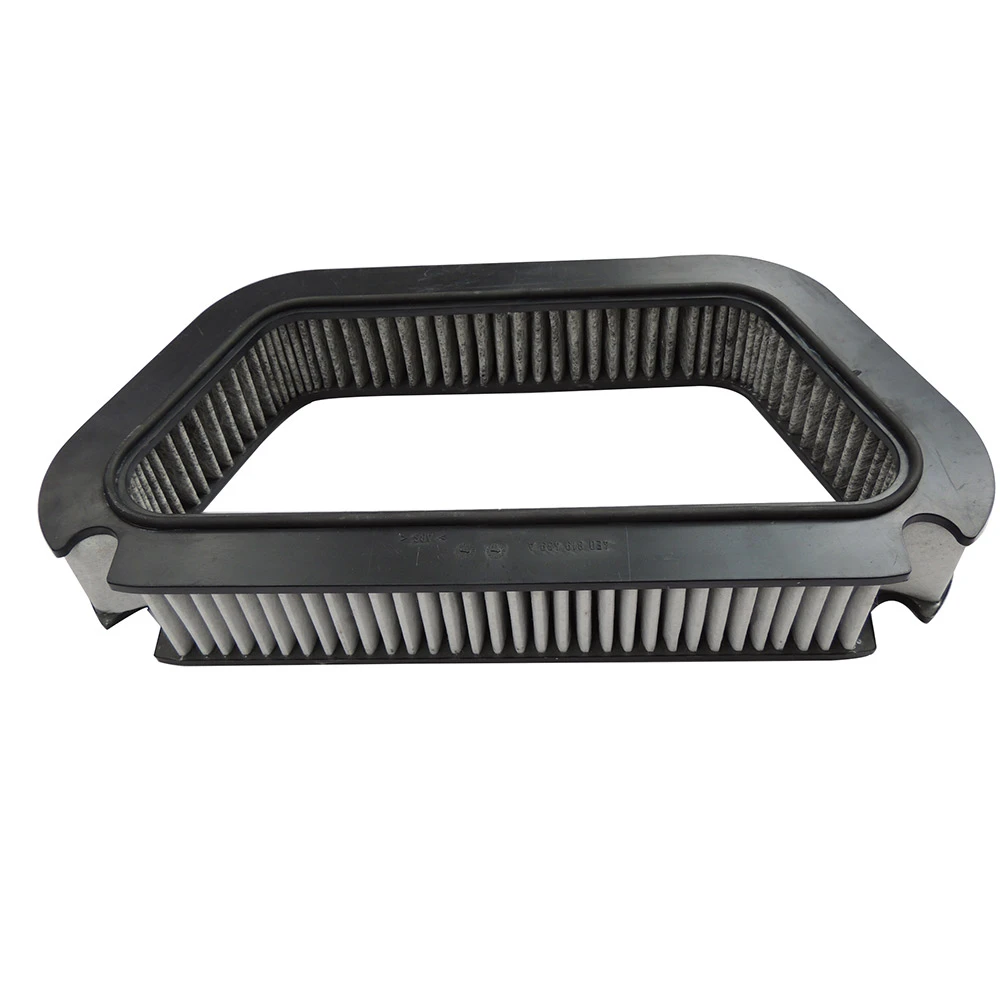
The engine air filter’s primary function is to prevent dust, dirt, pollen, and debris from entering your engine. These contaminants can cause significant wear and tear on internal components, reducing engine efficiency and potentially leading to major mechanical issues. A clogged air filter restricts airflow, forcing the engine to work harder, which can diminish gas mileage and even affect acceleration. Regularly checking and replacing your air filter is a proactive step towards vehicle longevity and optimal performance. Choosing a high-quality car air filter, like those offered by JY Filter, can also contribute to better filtration and longer service life.
Key Benefits of a Clean Air Filter: Improved engine performance, increased fuel efficiency, extended engine life, reduced emissions.
How Often Should Air Filters Be Changed Car? General Guidelines
While there's no one-size-fits-all answer to how often should air filters be changed car, a general recommendation is to inspect your air filter every 12,000 to 15,000 miles or annually, whichever comes first. However, several factors can necessitate more frequent changes. These include driving conditions, the type of filter used, and the environment you operate in. For example, those who frequently drive on dusty or dirt roads, or in areas with high pollen counts, should check their filters more often – perhaps every 5,000 to 10,000 miles.
Factors Affecting Filter Replacement Frequency:
• Driving Conditions (dusty roads, city traffic)
• Environmental Factors (pollen, pollution)
• Filter Type (standard paper, high-efficiency)
• Vehicle Usage (frequency and length of trips)
Comparing Air Filter Types and Replacement Intervals
Air filters come in various types, each with different levels of filtration and lifespan. Understanding these differences can help you determine the best filter for your needs and establish an appropriate replacement schedule. Here's a comparison of common air filter types:
How to Check Your Car’s Air Filter
Checking your air filter is a straightforward process that you can easily do yourself. First, locate the air filter housing, typically a black plastic box under the hood. Open the housing (you may need a screwdriver), remove the old filter, and hold it up to a light source. If you can see a significant amount of dirt and debris, or if the filter appears dark and clogged, it's time for a replacement. You can purchase a new filter from an auto parts store or directly from JY Filter.
The Consequences of a Neglected Air Filter
Ignoring air filter maintenance can have several negative consequences. Reduced fuel efficiency is one of the first noticeable effects. A clogged filter restricts airflow, making your engine work harder and consuming more fuel. Over time, this can lead to decreased engine performance, reduced acceleration, and increased emissions. In severe cases, a severely clogged air filter can cause damage to sensitive engine components, resulting in costly repairs. Preventative maintenance, like regular air filter changes, is far more economical than addressing engine damage caused by neglect.
Conclusion: Breathe Easy with Regular Air Filter Changes
Maintaining your car's air filter is a simple yet crucial aspect of vehicle ownership. By following the guidelines outlined in this article and utilizing high-quality filters from JY Filter, you can ensure optimal engine performance, improve fuel efficiency, and prolong the life of your vehicle. Don't neglect this essential maintenance task – a clean air filter is a small investment that yields significant returns.
Frequently Asked Questions (FAQs)
Can I wash and reuse my car’s air filter?
While some air filters are designed to be cleaned, most standard paper air filters are not. Attempting to wash a paper filter can damage the fibers and reduce its effectiveness. Reusable filters, typically made of cotton or synthetic materials, can be cleaned and re-oiled, but require a specific cleaning kit and process. It's generally more cost-effective and ensures optimal performance to simply replace a paper air filter rather than attempt to clean it. Using a high-quality filter from JY Filter will provide consistent performance and reliability.
What are the signs that my air filter needs changing?
Several signs indicate your air filter may need replacing. These include a noticeable decrease in fuel efficiency, reduced engine power, unusual engine noises (like whistling), and difficulty starting the engine. A visual inspection of the filter itself is also crucial – look for excessive dirt, debris, or a darkened appearance. If you notice any of these signs, it's best to check and replace your air filter promptly.
Is it necessary to change the air filter with every oil change?
While not always strictly necessary, it's a good practice to inspect the air filter during every oil change. Oil change intervals and air filter replacement intervals don't always coincide. However, using your oil change as a reminder to check your air filter ensures you don’t overlook this important maintenance task. Depending on your driving conditions, you may need to replace the air filter more or less frequently than your oil change schedule.
How much does it cost to replace a car’s air filter?
The cost of replacing a car's air filter varies depending on the vehicle make and model and the type of filter used. Generally, the filter itself can cost between $10 and $40. If you have a mechanic perform the replacement, you can expect to pay an additional $20 to $50 for labor. However, replacing the air filter is a simple DIY task that can save you money on labor costs. Purchasing a filter from JY Filter ensures competitive pricing and quality components.
-
Guide on how often do you need to replace engine air filterNewsApr.16,2026
-
Learn how often do you replace air filter in car for engine healthNewsApr.09,2026
-
How Often Do You Replace Car Air Filter For Optimal Engine PerformanceNewsApr.07,2026
-
How Often Do You Replace Engine Air Filter For Optimal Vehicle PerformanceNewsApr.04,2026
-
Understanding How Often Does Engine Air Filter Need to Be Replaced for Optimal PerformanceNewsMar.31,2026
-
How Often Engine Air Filter Change Impacts Performance and LongevityNewsMar.28,2026
-
Understanding How Often to Replace Your Car Air Filter for Optimal PerformanceNewsMar.26,2026
Related Products