How Often Should a Car Filter Be Changed?
Maintaining your vehicle involves more than just regular oil changes. Crucially, understanding car filter replacement schedules is essential for optimal engine performance and longevity. Different filters – air, oil, cabin, and fuel – have varying lifespans. Ignoring these schedules can lead to decreased fuel efficiency, engine damage, and even costly repairs. This article will guide you through the recommended replacement intervals for each type of filter, helping you keep your car running smoothly and reliably. Proper filter maintenance is a vital part of responsible vehicle ownership.

Understanding the Different Types of Car Filters
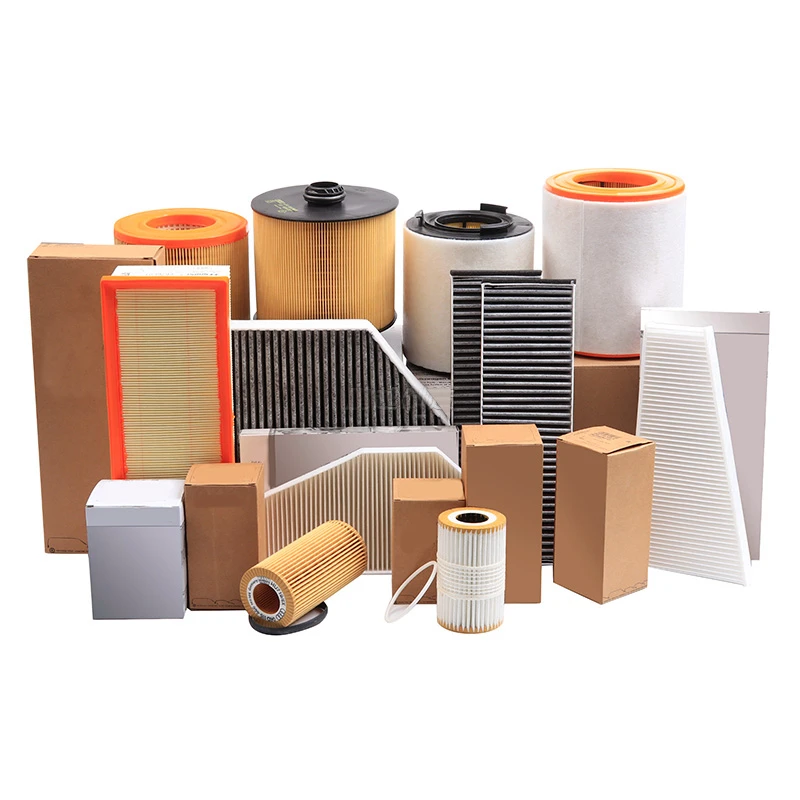
Before diving into replacement intervals, let's identify the key types of car filters. The air filter prevents dust, dirt, and debris from entering your engine. The oil filter removes contaminants from your engine oil, ensuring proper lubrication. The cabin filter cleans the air entering the passenger compartment, improving air quality. Finally, the fuel filter prevents fuel contaminants from reaching the engine. Each plays a distinct role in vehicle performance and requires regular maintenance. Understanding these differences is crucial when determining a maintenance schedule.
Key Takeaway: Each car filter protects a vital system within your vehicle. Ignoring one can negatively impact others.
How Often Should You Change Your Engine Air Filter?
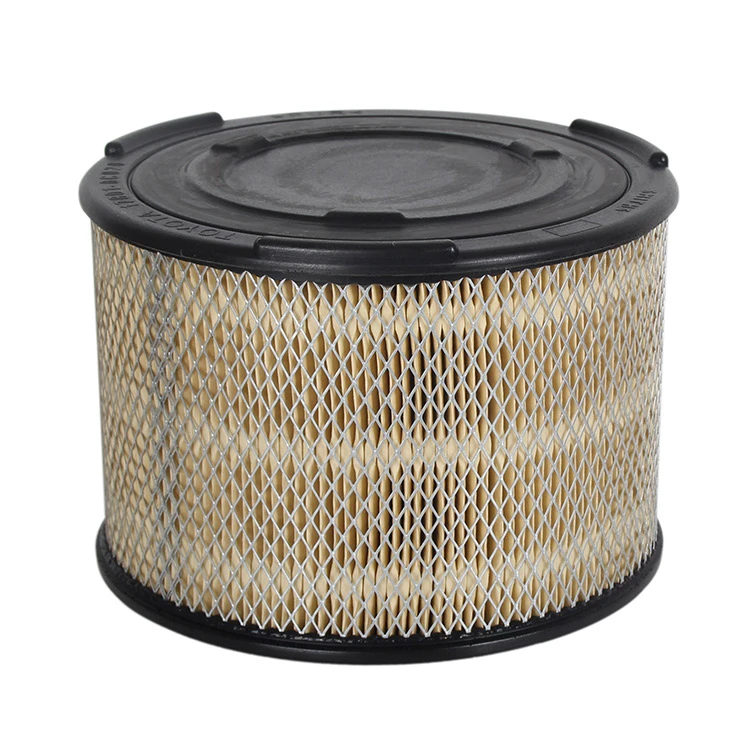
The engine air filter is arguably the most frequently replaced filter. Generally, it's recommended to replace your air filter every 12,000 to 15,000 miles, or about once a year. However, driving conditions significantly impact this timeframe. If you frequently drive in dusty or polluted environments, you should check and replace your air filter more often – potentially every 5,000 to 7,500 miles. A clogged air filter restricts airflow, reducing engine efficiency and potentially damaging components. You can visually inspect your air filter; if it appears dirty or clogged, it's time for a replacement. JY Filter provides high-quality air filters for various vehicle makes and models.
Air Filter Replacement Guidelines:
• Standard Driving: 12,000 – 15,000 miles / 1 year
• Dusty Conditions: 5,000 – 7,500 miles / 6 months
• Visual Inspection: Check regularly for dirt and debris
Oil Filter Replacement Frequency: Protecting Your Engine
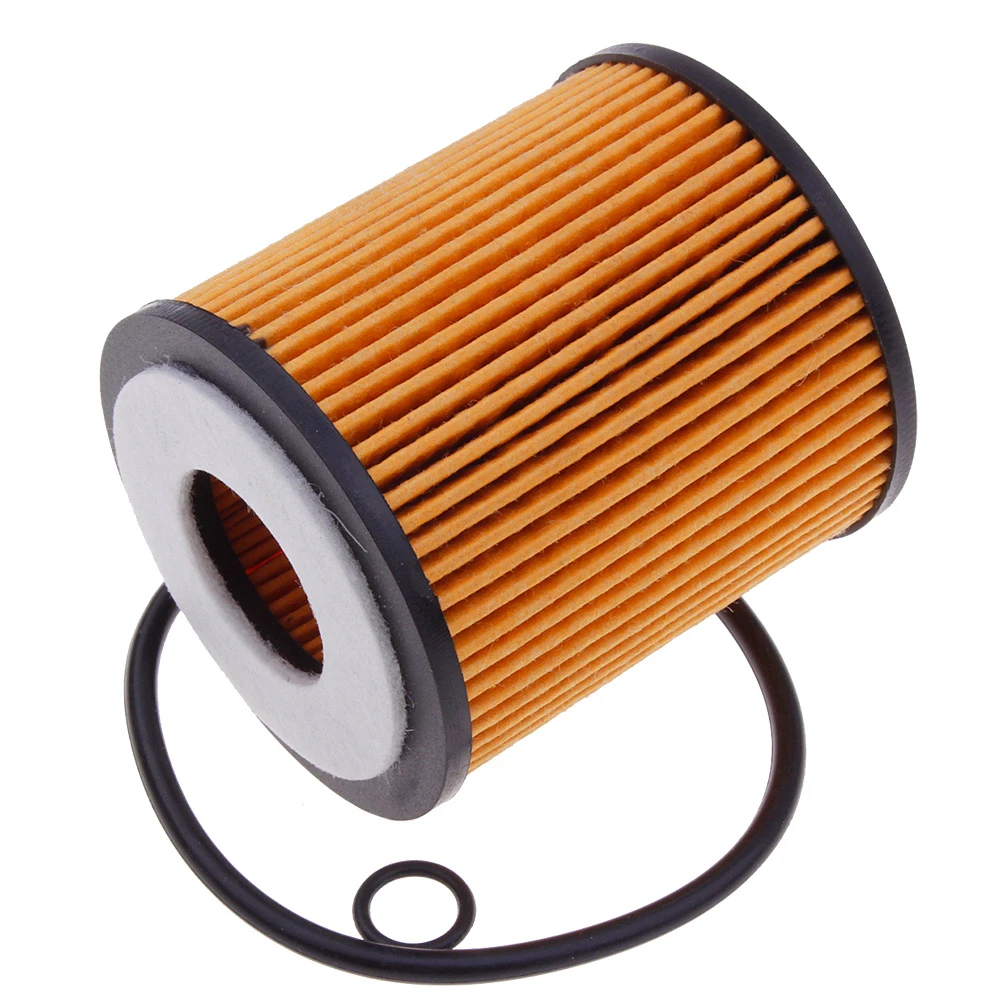
The oil filter should be replaced with every oil change. This is a non-negotiable maintenance task. Most vehicles require oil changes every 5,000 to 7,500 miles with synthetic oil, or 3,000 to 5,000 miles with conventional oil. Since the oil filter traps contaminants, it becomes less effective over time, potentially leading to engine wear and tear. Using a high-quality oil filter, like those offered by JY Filter, is critical to ensure effective filtration and engine protection.
Cabin and Fuel Filter Replacement Schedules
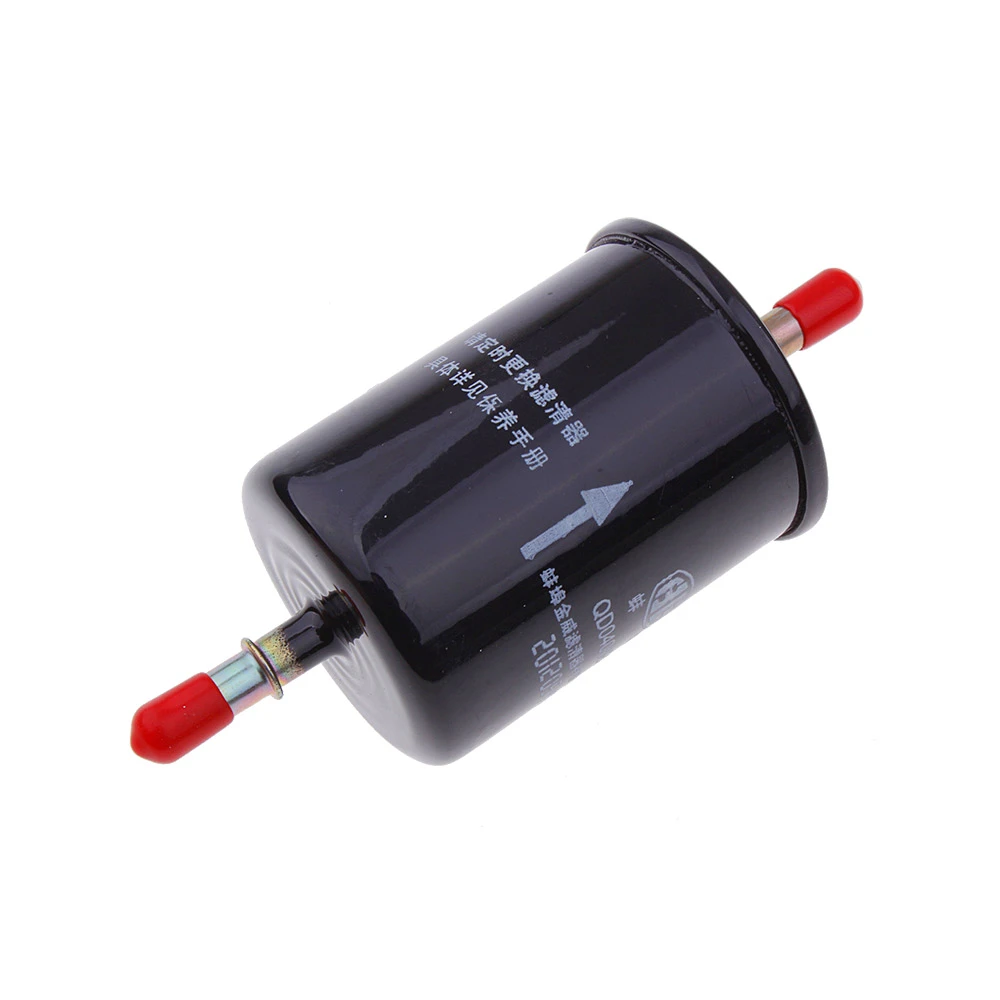
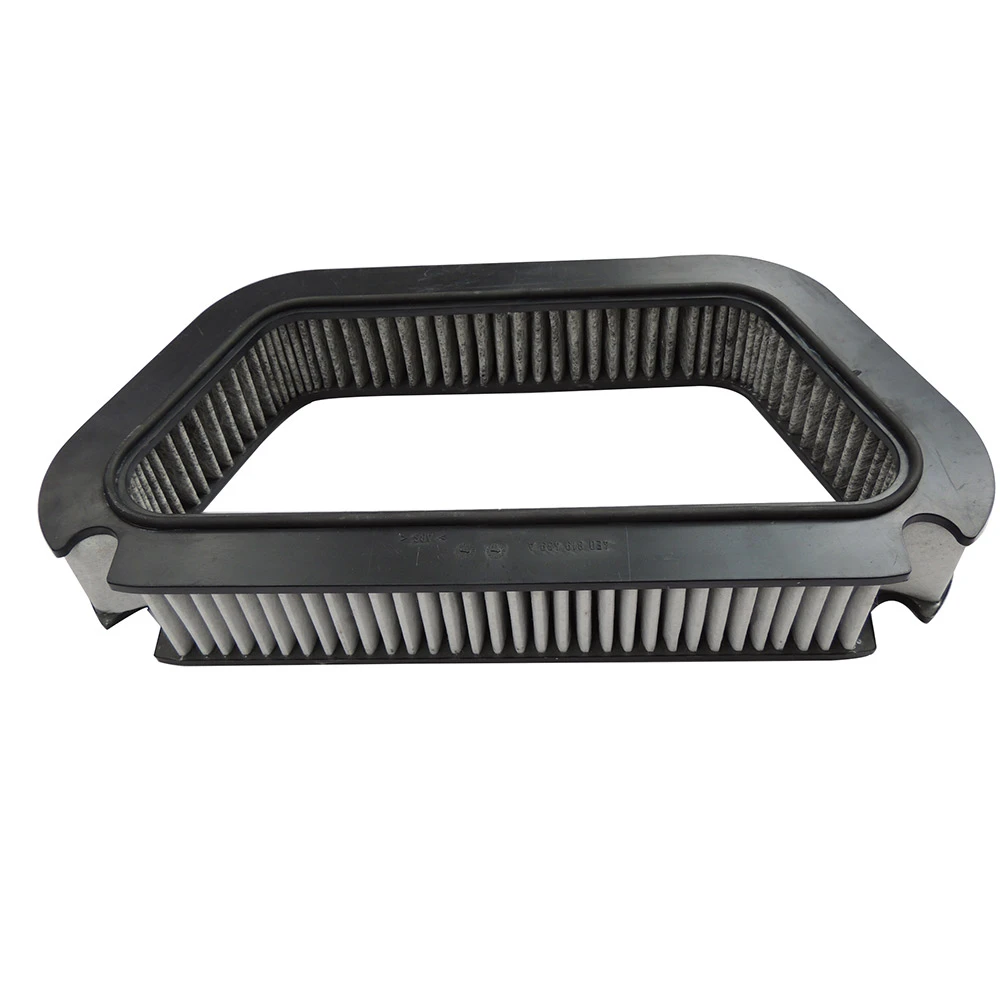
The cabin filter, responsible for air quality within the car, should generally be replaced every 12,000 to 15,000 miles, or annually. If you have allergies or drive in areas with high pollen counts, more frequent replacements (every 6 months) are recommended. The fuel filter typically needs replacement every 20,000 to 40,000 miles, depending on the vehicle manufacturer’s recommendations. A clogged fuel filter can lead to reduced fuel efficiency and engine performance issues. Always consult your owner's manual for specific recommendations. JY Filter offers a comprehensive range of filters to suit your vehicle's needs.

Factors Influencing Filter Replacement Intervals
Several factors can affect how often you need to replace your car filters. These include driving conditions (dusty roads, city traffic), climate (extreme temperatures), and vehicle usage (towing, frequent short trips). Regularly inspecting your filters visually can help you determine if they need replacement sooner than the recommended intervals. Paying attention to your vehicle’s performance – such as reduced fuel economy or decreased engine power – can also signal a need for filter replacement. Using quality filters, like those from JY Filter, is a worthwhile investment in the long-term health of your vehicle.
Conclusion: Stay Proactive with Filter Maintenance
Regular car filter replacement is a vital aspect of vehicle maintenance. By adhering to the recommended replacement intervals and considering your driving conditions, you can ensure optimal engine performance, fuel efficiency, and air quality. Investing in quality filters from a reputable supplier like JY Filter will contribute to the longevity and reliability of your vehicle.
Frequently Asked Questions (FAQs)
What happens if I don’t change my car’s air filter?
Failing to replace your car’s air filter can lead to a number of issues. A clogged air filter restricts airflow to the engine, reducing its efficiency and potentially causing decreased fuel economy. Over time, it can lead to increased engine wear and tear, potentially resulting in costly repairs. Additionally, a dirty air filter can allow contaminants to enter the engine, further damaging its components. It's a relatively inexpensive maintenance task that can prevent significant problems down the road.
Can I clean my car’s air filter instead of replacing it?
While some air filters can be temporarily cleaned, it’s generally not recommended as a long-term solution. Cleaning can remove some surface debris, but it won't restore the filter's original efficiency or remove deeply embedded contaminants. Moreover, the cleaning process itself can damage the filter media, reducing its effectiveness. Replacing the air filter is the most effective way to ensure optimal engine performance and protection.
How do I know if my cabin filter needs replacing?
Several signs indicate that your cabin filter needs replacing. These include a decrease in airflow from the vents, a musty or unpleasant odor when you turn on the AC or heater, and increased dust or debris buildup inside the car. If you or your passengers experience allergy symptoms while driving, a dirty cabin filter could be the culprit. Regularly inspecting the filter for dirt and debris is a good practice.
What type of fuel filter does my car use?
Fuel filter types vary depending on the vehicle’s make and model. Older vehicles typically use an in-line fuel filter located between the fuel tank and the engine. Newer vehicles often have fuel filters integrated into the fuel pump assembly inside the fuel tank. Consult your vehicle’s owner’s manual to determine the specific type of fuel filter your car uses and the recommended replacement interval. Always use a fuel filter that meets or exceeds the manufacturer’s specifications.
-
Guide on how often do you need to replace engine air filterNewsApr.16,2026
-
Learn how often do you replace air filter in car for engine healthNewsApr.09,2026
-
How Often Do You Replace Car Air Filter For Optimal Engine PerformanceNewsApr.07,2026
-
How Often Do You Replace Engine Air Filter For Optimal Vehicle PerformanceNewsApr.04,2026
-
Understanding How Often Does Engine Air Filter Need to Be Replaced for Optimal PerformanceNewsMar.31,2026
-
How Often Engine Air Filter Change Impacts Performance and LongevityNewsMar.28,2026
-
Understanding How Often to Replace Your Car Air Filter for Optimal PerformanceNewsMar.26,2026
Related Products