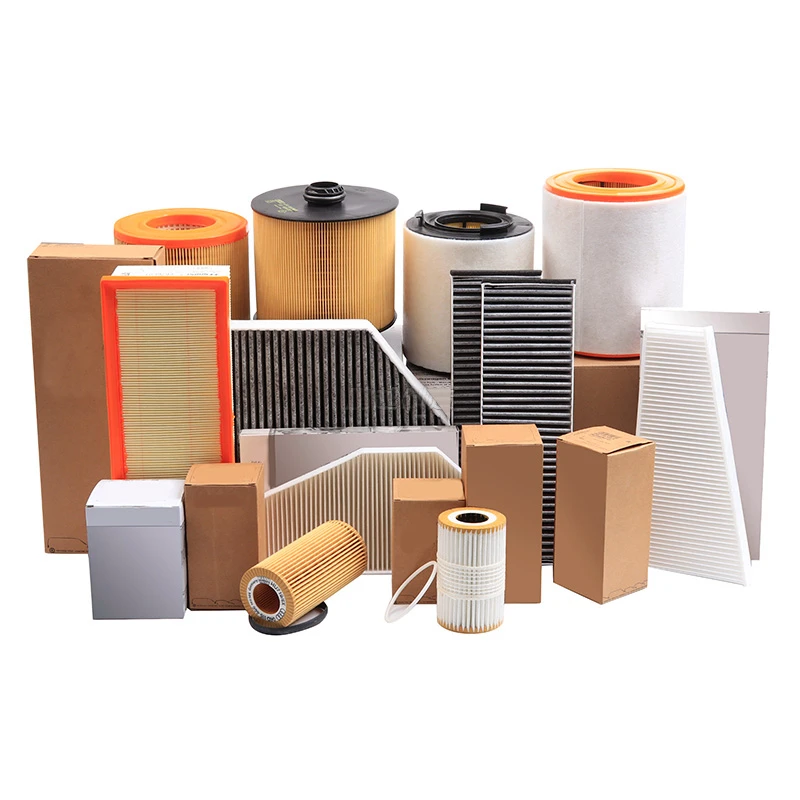
How Often Should a Car Cabin Filter Be Replaced?
Your car's cabin filter plays a crucial role in maintaining the air quality inside your vehicle, protecting you and your passengers from pollutants, allergens, and unpleasant odors. But like any filter, it doesn't last forever. Knowing when to replace your car cabin filter is essential for your health and the efficient operation of your vehicle's HVAC system. This article will guide you through the factors influencing filter replacement frequency, helping you breathe easier on every journey.
Understanding Your Car Cabin Filter
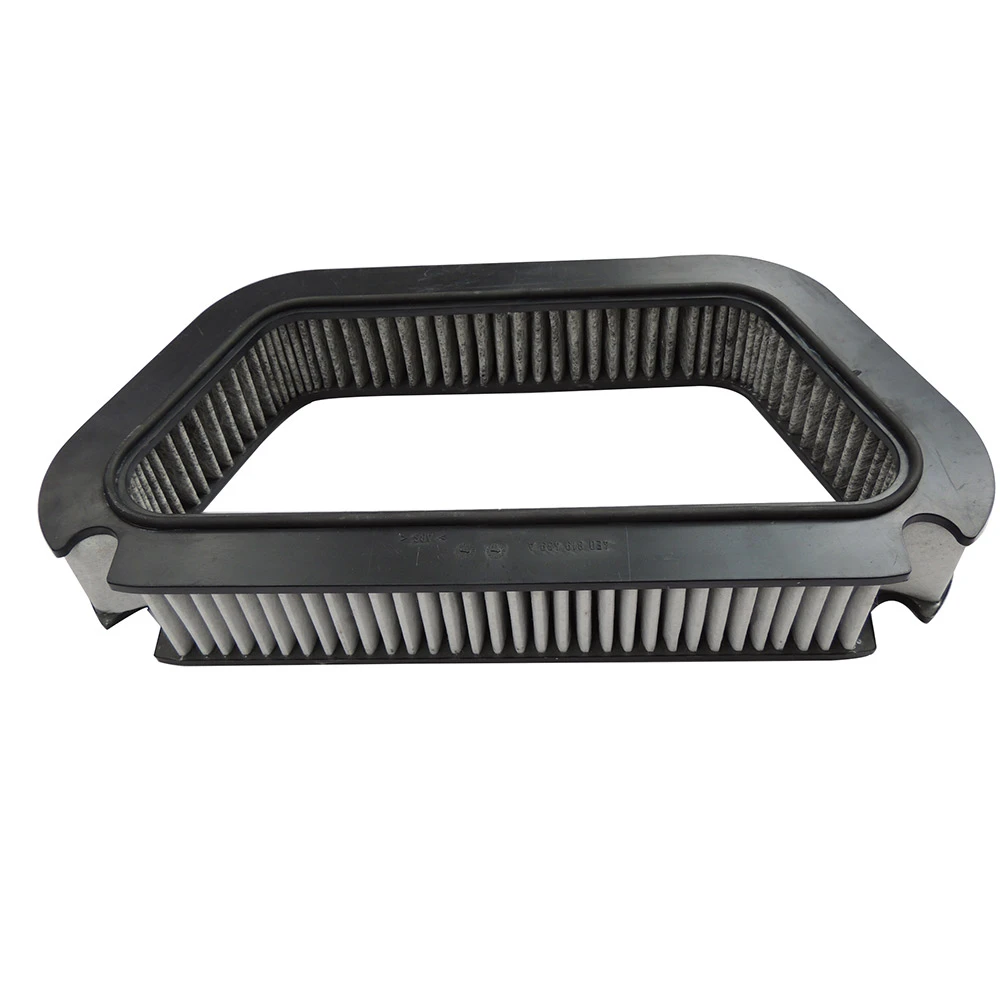
The cabin air filter cleans the air that enters your vehicle’s passenger compartment, removing dust, pollen, mold spores, exhaust fumes, and other airborne particles. Over time, this filter becomes clogged with debris, reducing airflow and compromising its effectiveness. A clogged filter can lead to reduced HVAC efficiency, musty odors, and even contribute to health issues for those with allergies or respiratory sensitivities. Selecting a high-quality filter like those offered at JYFilter ensures optimal performance and longevity.
Key Benefits of a Clean Cabin Filter: Improved air quality, Reduced allergens, Enhanced HVAC efficiency, Elimination of musty odors.
How Often Should You Replace Your Cabin Filter?
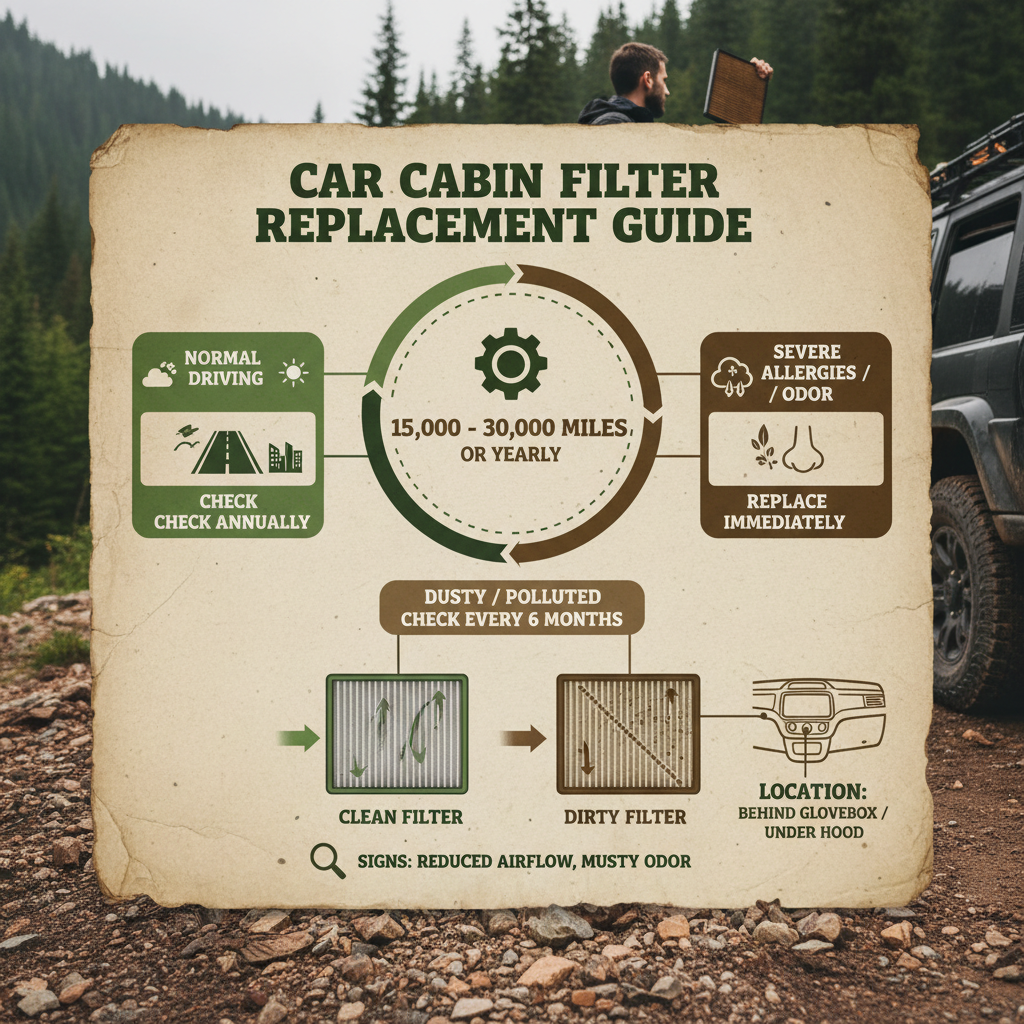
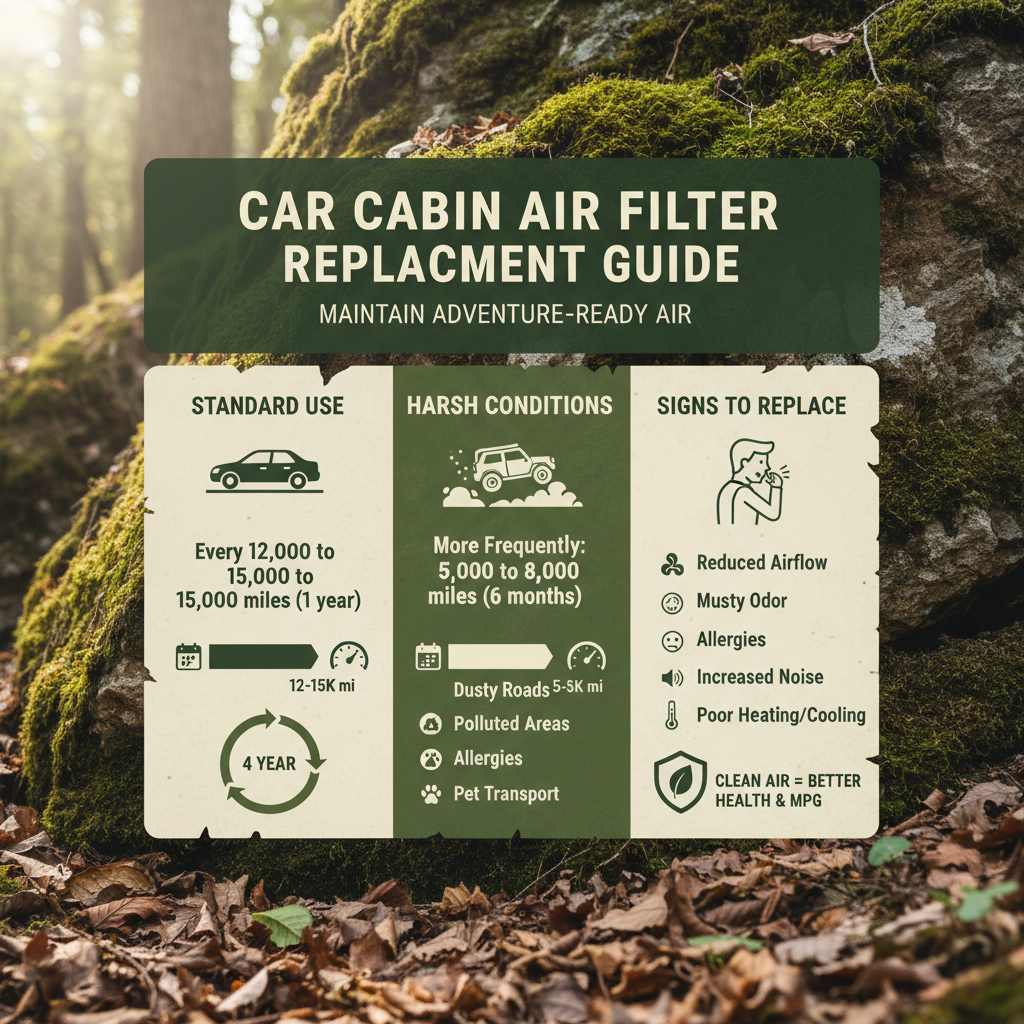
There isn't a one-size-fits-all answer to this question. The ideal replacement frequency depends on several factors, including your driving conditions and environment. However, a general guideline is to replace your cabin filter every 12,000 to 15,000 miles, or once a year – whichever comes first. If you drive in dusty or polluted areas, or if you have allergies, you may need to replace it more frequently.
Factors Affecting Filter Replacement:
• Driving in urban areas with high pollution.
• Frequent off-road driving.
• Living in an area with high pollen counts.
• Presence of smokers in the vehicle.
Cabin Filter Types and Their Lifespan
Car cabin filters come in various types, each with its own lifespan and performance characteristics. The two main types are paper filters and activated carbon filters. Paper filters are the most common and affordable option, typically lasting around 12,000 miles. Activated carbon filters offer superior filtration, removing odors and gases in addition to particles, and may last slightly longer, up to 15,000-20,000 miles. JYFilter offers a comprehensive range of both types to suit your needs and budget.
Recognizing the Signs: When to Replace Sooner
Don't always rely solely on mileage. Pay attention to these signs that indicate your cabin filter needs replacing sooner than scheduled: reduced airflow from the vents, a musty or moldy odor when the AC is running, noticeable dust accumulation on the dashboard, or increased allergy symptoms while driving. Addressing these issues promptly ensures a comfortable and healthy driving experience. Checking your filter regularly, especially if you notice any of these symptoms, is a good habit to develop.
DIY Replacement vs. Professional Service
Replacing your car cabin filter is often a simple DIY task. Most filters are located behind the glove compartment or under the dashboard. Consult your vehicle's owner's manual for specific instructions. If you're not comfortable performing the replacement yourself, a qualified mechanic can easily handle it for a reasonable cost. However, doing it yourself can save you money and provide a sense of accomplishment. JYFilter also provides helpful resources and guides on filter replacement.
Conclusion: Breathe Easy with a Fresh Cabin Filter
Regularly replacing your car's cabin filter is a small investment that yields significant benefits for your health and vehicle's performance. By following the guidelines outlined in this article and choosing a quality filter from a trusted source like JYFilter, you can ensure clean, fresh air inside your car for years to come.
Frequently Asked Questions (FAQs)
What happens if I don’t replace my cabin filter?
Ignoring cabin filter replacement can lead to several problems. A clogged filter restricts airflow to the HVAC system, reducing its efficiency and potentially causing it to work harder, leading to premature wear and tear. You might experience reduced heating and cooling performance, unpleasant odors, and increased allergens circulating in the cabin. For individuals with allergies or respiratory issues, this can exacerbate their symptoms. Long-term neglect could even lead to mold growth within the ventilation system, posing a serious health risk.
Can a dirty cabin filter affect my car’s fuel economy?
Yes, a dirty cabin filter can indirectly impact your car’s fuel economy. When the filter is clogged, the HVAC system has to work harder to draw air, putting a strain on the engine. While the effect may be minor, it can contribute to a slight decrease in fuel efficiency over time. Maintaining a clean cabin filter helps ensure optimal HVAC performance, reducing the load on the engine and potentially improving fuel economy.
Where can I find the correct cabin filter for my car?
Finding the correct cabin filter is easy with resources like JYFilter. You can use their vehicle lookup tool by entering your car’s year, make, and model to find the precise filter that fits your vehicle. Alternatively, you can consult your vehicle’s owner’s manual or contact a local auto parts store for assistance. Using the correct filter ensures optimal fit and performance.
Is it necessary to replace the cabin filter even if I rarely use the AC?
Yes, even if you don’t frequently use the air conditioning, it’s still important to replace the cabin filter. The filter cleans the air that enters the vehicle regardless of whether the AC is on or off. Dust, pollen, and other particles can accumulate in the filter even when the system isn't actively being used. Regular replacement helps maintain good air quality within the cabin and prevents buildup that could lead to odors or reduced airflow.
-
Guide on how often do you need to replace engine air filterNewsApr.16,2026
-
Learn how often do you replace air filter in car for engine healthNewsApr.09,2026
-
How Often Do You Replace Car Air Filter For Optimal Engine PerformanceNewsApr.07,2026
-
How Often Do You Replace Engine Air Filter For Optimal Vehicle PerformanceNewsApr.04,2026
-
Understanding How Often Does Engine Air Filter Need to Be Replaced for Optimal PerformanceNewsMar.31,2026
-
How Often Engine Air Filter Change Impacts Performance and LongevityNewsMar.28,2026
-
Understanding How Often to Replace Your Car Air Filter for Optimal PerformanceNewsMar.26,2026
Related Products