How Often Should a Car Air Filter Be Replaced?
Your car's air filter is a crucial component, responsible for keeping debris and pollutants from entering your engine. A clean air filter ensures optimal engine performance, fuel efficiency, and longevity. But how often should a car air filter be replaced? This guide provides a comprehensive overview, covering factors influencing replacement frequency, signs of a dirty filter, and the benefits of regular maintenance. Understanding these aspects will help you keep your vehicle running smoothly and avoid costly repairs. Choosing the right car air filter is the first step toward a healthier engine.
Factors Influencing Air Filter Replacement Frequency
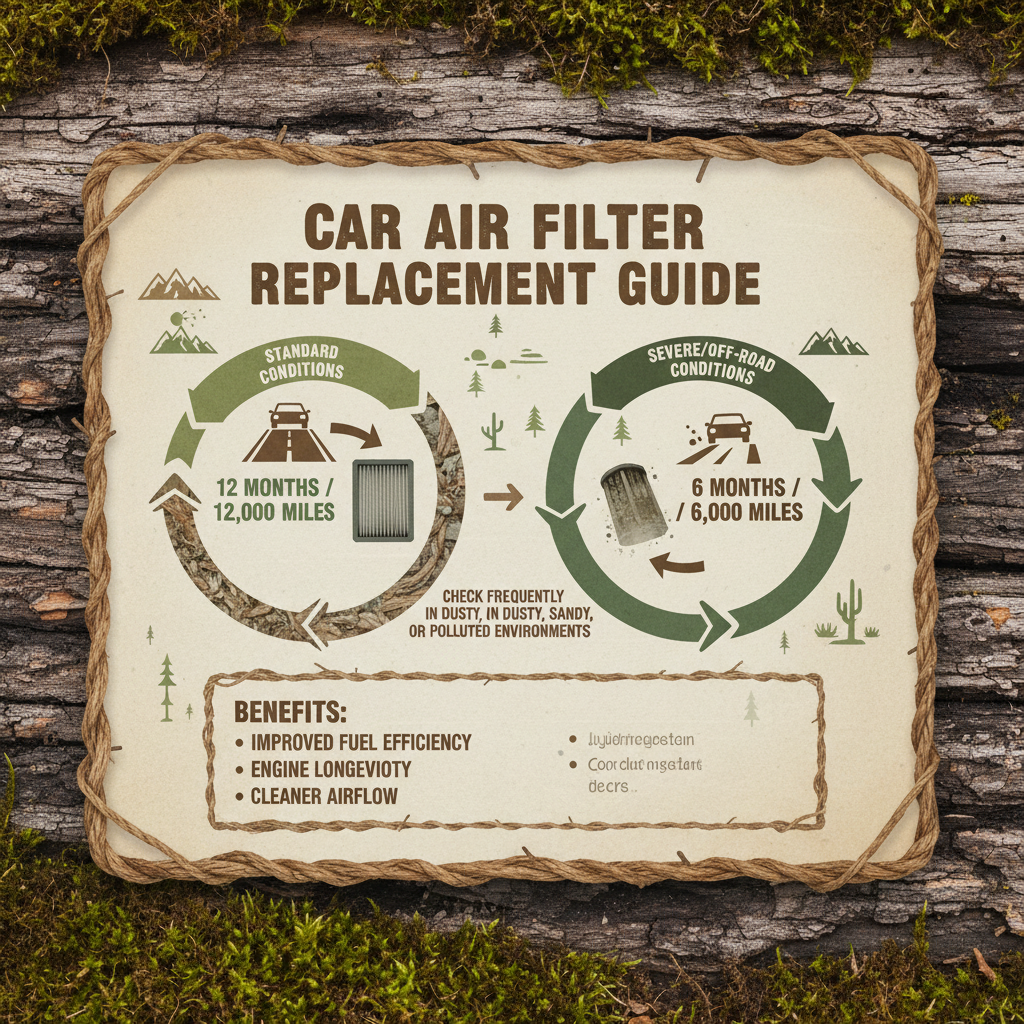
Several factors determine how often your car’s air filter needs replacing. These include your driving conditions, the type of air filter used, and your vehicle’s make and model. Drivers who frequently travel on dusty or unpaved roads, or in areas with high pollution, will need to replace their filters more often. Similarly, if you live in an area with seasonal allergens like pollen, a more frequent replacement schedule is recommended. Furthermore, the type of filter – paper, cotton, or synthetic – also plays a role. Paper filters generally need replacing more often than synthetic ones. Regularly checking your filter is the best way to determine its condition. JYFilter offers a range of filters to suit various needs and driving conditions.
Key Considerations: Driving conditions, filter type, and vehicle location all impact the lifespan of your car’s air filter.
The General Rule: How Often to Replace Your Air Filter
As a general guideline, most manufacturers recommend replacing your car’s air filter every 12,000 to 15,000 miles, or approximately once a year. However, this is just an estimate. It’s best to inspect the filter every oil change and replace it if it appears dirty. A clogged air filter restricts airflow to the engine, reducing performance and fuel efficiency. Ignoring this maintenance can lead to more significant engine problems down the road. JYFilter’s high-quality filters are designed for optimal airflow and engine protection.
Replacement Schedule Overview:
• Normal Driving Conditions: 12,000 - 15,000 miles or annually.
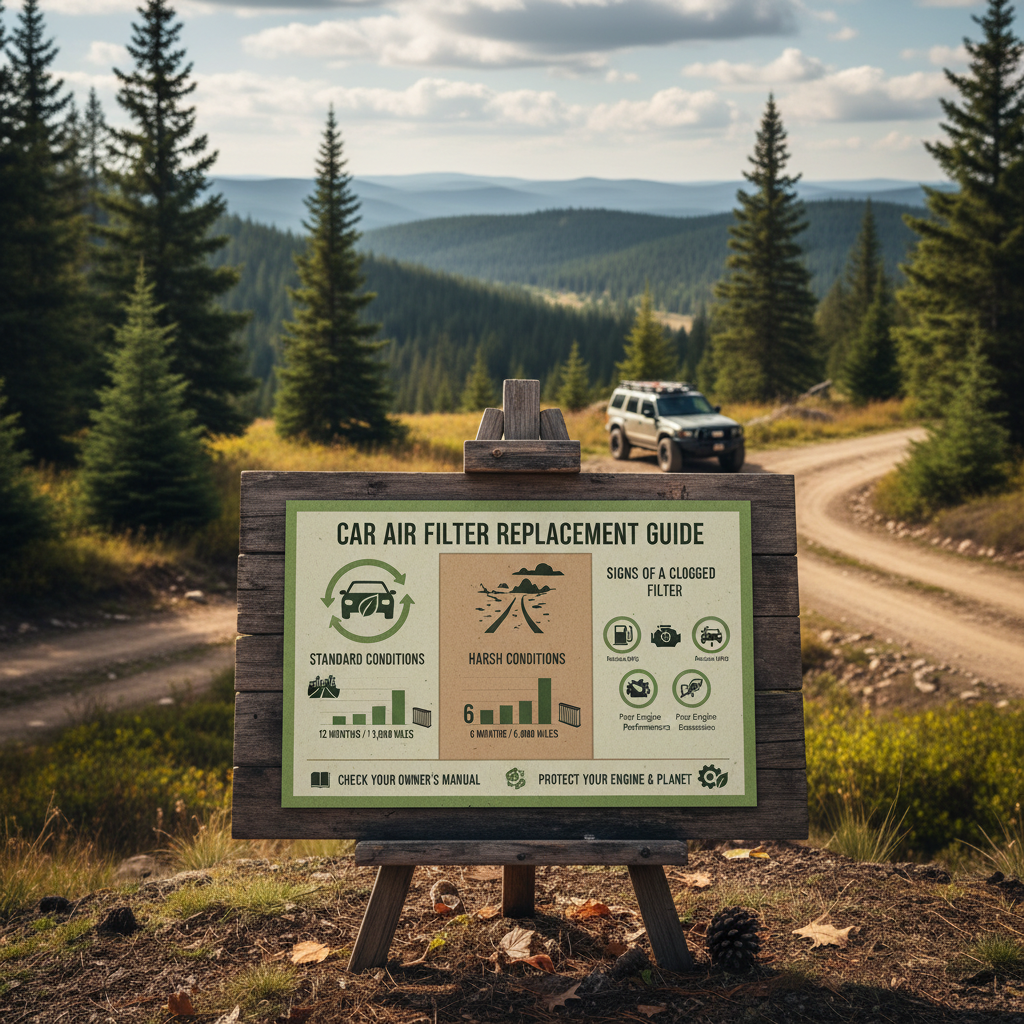
• Severe Driving Conditions: 5,000 - 7,500 miles or twice a year.
• Regular Inspection: Every oil change.
Signs Your Car Air Filter Needs Replacing
Don't wait for the recommended mileage to check your air filter. Several signs indicate it’s time for a replacement. These include reduced engine performance, decreased fuel efficiency, unusual engine noises (like whistling or hissing), difficulty starting the engine, and a visible accumulation of dirt and debris on the filter itself. A dark or discolored filter is a clear indication that it's restricting airflow. If you notice any of these symptoms, it's best to inspect and potentially replace your filter immediately. Proactive maintenance will save you money and keep your car running efficiently.
The Benefits of a Clean Air Filter
Replacing your car’s air filter provides numerous benefits, including improved engine performance, increased fuel efficiency, extended engine life, and reduced emissions. A clean filter ensures your engine receives the clean air it needs to operate efficiently, preventing wear and tear on vital components. It also helps to protect sensitive sensors and improve overall vehicle reliability. Investing in a quality air filter from a reputable brand like JYFilter is a small price to pay for the long-term health of your vehicle.
Choosing the Right Air Filter: Different Types Explained
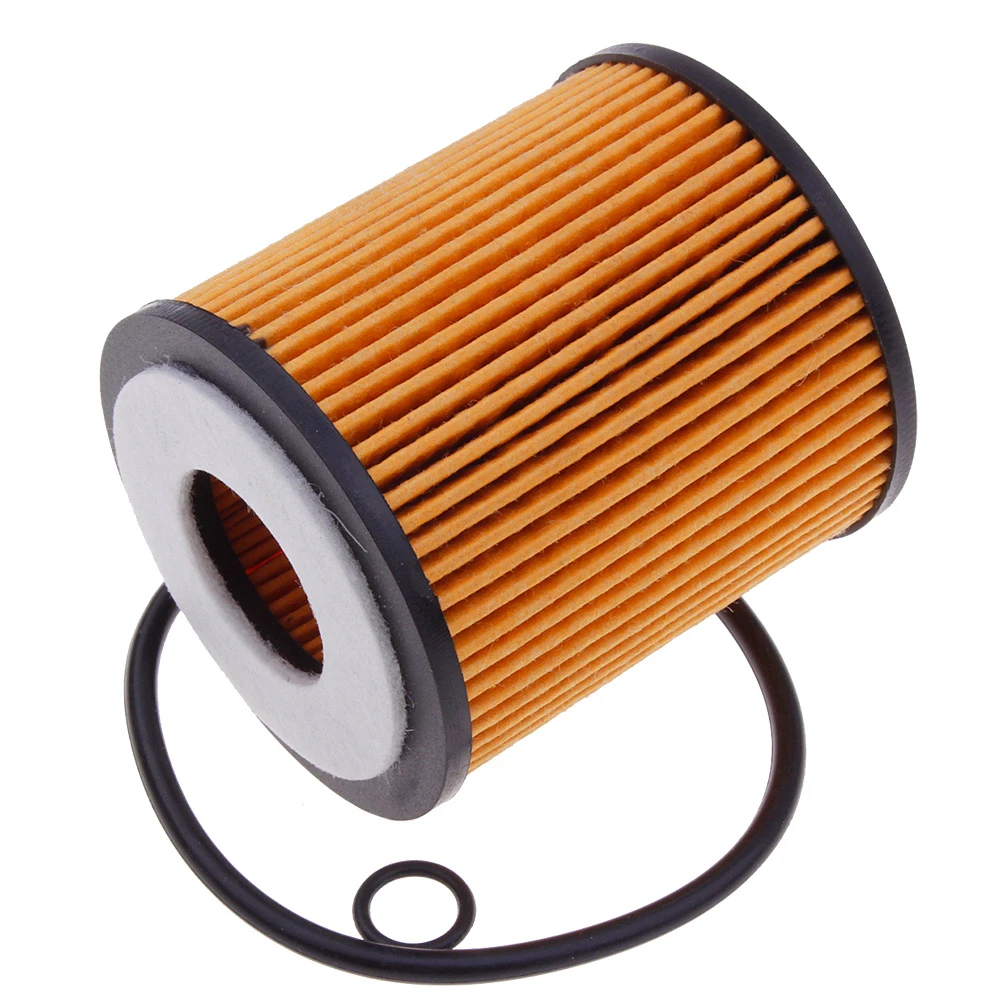
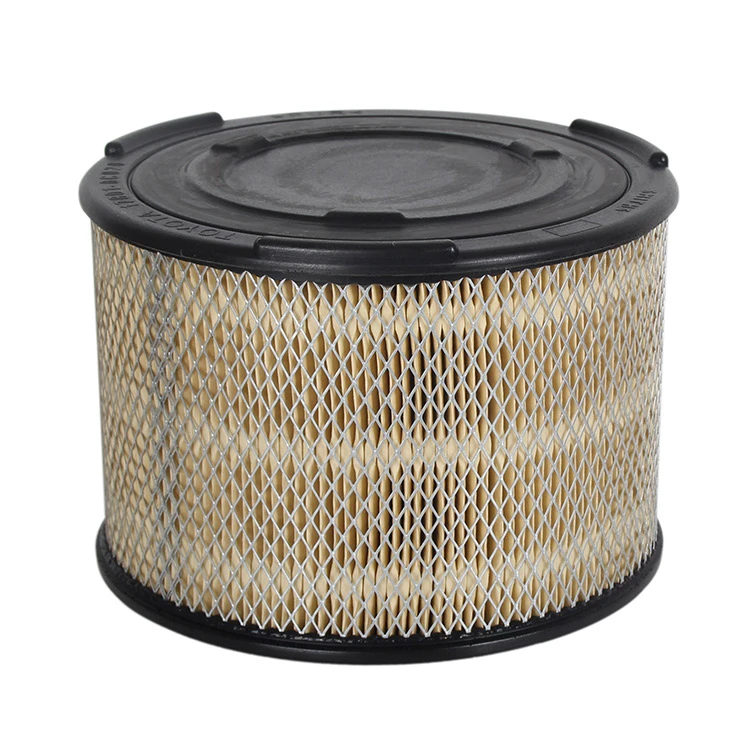
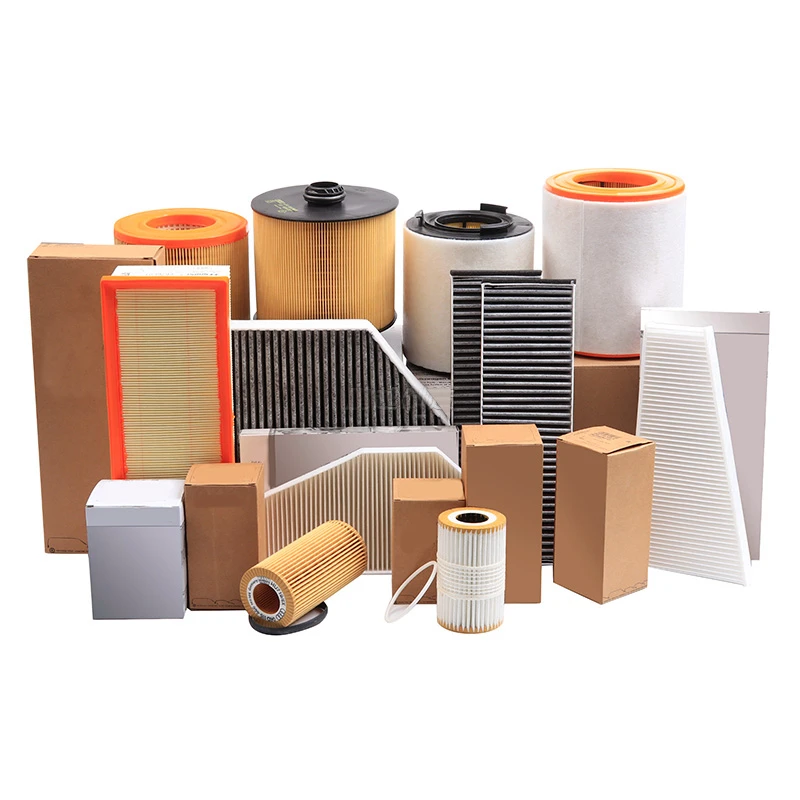
Several types of car air filters are available, each with its own advantages. Paper filters are the most common and affordable option, but they have a limited lifespan. Cotton filters offer better airflow and filtration but require regular cleaning and oiling. Synthetic filters provide the best filtration and durability, often lasting longer than paper or cotton filters. JYFilter offers a variety of air filter options to meet your specific needs and budget.
Conclusion: Prioritizing Your Engine's Health
Regularly checking and replacing your car’s air filter is a simple yet crucial maintenance task. By following the guidelines outlined in this article and choosing a high-quality air filter from JYFilter, you can ensure optimal engine performance, fuel efficiency, and longevity. Don’t neglect this essential component – your engine will thank you!
Frequently Asked Questions (FAQs)
How can I check my car's air filter?
Checking your car's air filter is a straightforward process. Typically, the air filter housing is located under the hood, often in a black plastic box. Open the housing (usually with clips or screws) and remove the filter. Inspect the filter for dirt, debris, or discoloration. If it appears significantly dirty, it's time for a replacement. Refer to your car's owner’s manual for the exact location of the air filter housing and specific instructions.
Can I drive with a dirty air filter?
While you can drive with a dirty air filter, it's not recommended. A clogged filter restricts airflow, reducing engine performance and fuel efficiency. Over time, this can lead to increased wear and tear on engine components. Driving with a severely clogged filter can even cause engine damage. Replacing a dirty air filter is a simple and inexpensive way to prevent more costly repairs down the road.
What are the benefits of using a synthetic air filter?
Synthetic air filters offer several advantages over paper or cotton filters. They provide superior filtration, capturing more dirt and debris. They also have a longer lifespan, reducing the frequency of replacements. Synthetic filters offer better airflow, contributing to improved engine performance and fuel efficiency. While they are typically more expensive upfront, their durability and performance often make them a worthwhile investment.
How often should I replace the cabin air filter?
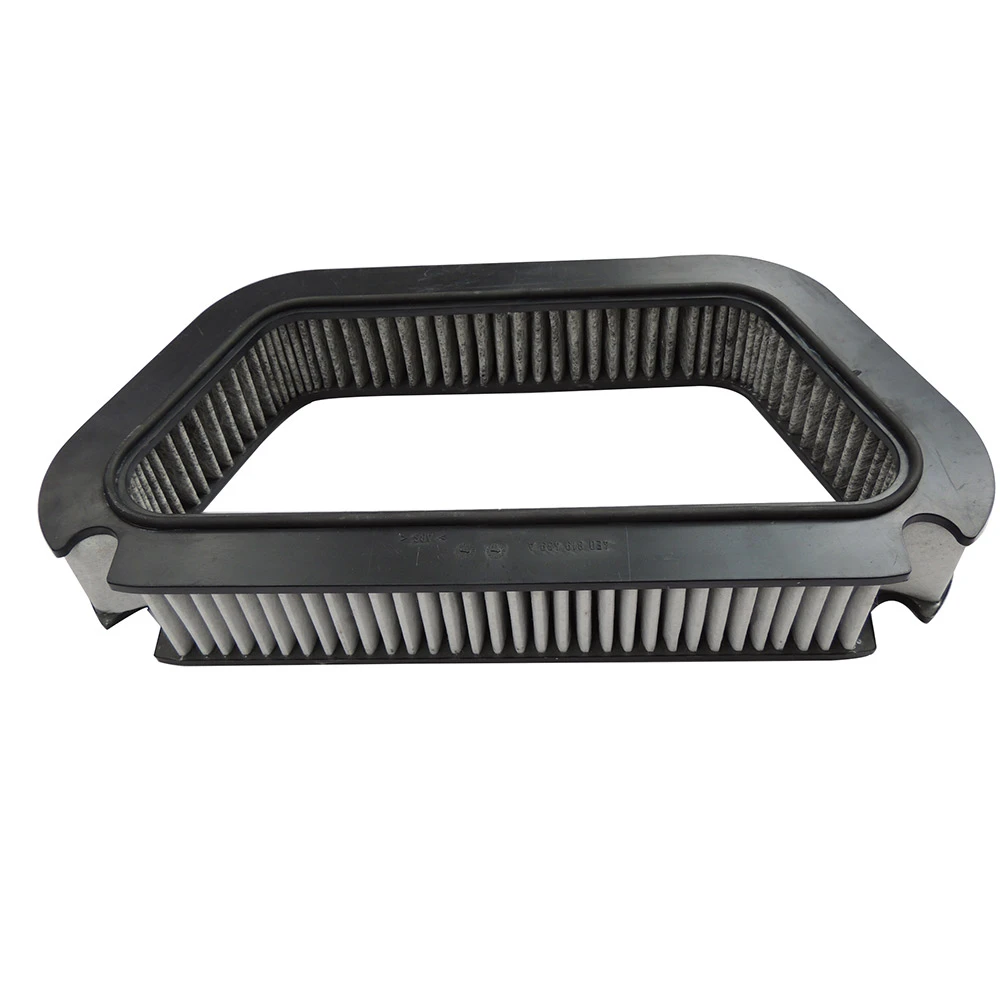
The cabin air filter, which cleans the air entering the passenger compartment, should be replaced every 15,000 to 20,000 miles, or annually. If you frequently drive in dusty or polluted areas, a more frequent replacement may be necessary. A clogged cabin air filter can reduce airflow to the vents, causing a musty odor and potentially affecting the performance of your air conditioning system.
-
Guide on how often do you need to replace engine air filterNewsApr.16,2026
-
Learn how often do you replace air filter in car for engine healthNewsApr.09,2026
-
How Often Do You Replace Car Air Filter For Optimal Engine PerformanceNewsApr.07,2026
-
How Often Do You Replace Engine Air Filter For Optimal Vehicle PerformanceNewsApr.04,2026
-
Understanding How Often Does Engine Air Filter Need to Be Replaced for Optimal PerformanceNewsMar.31,2026
-
How Often Engine Air Filter Change Impacts Performance and LongevityNewsMar.28,2026
-
Understanding How Often to Replace Your Car Air Filter for Optimal PerformanceNewsMar.26,2026
Related Products