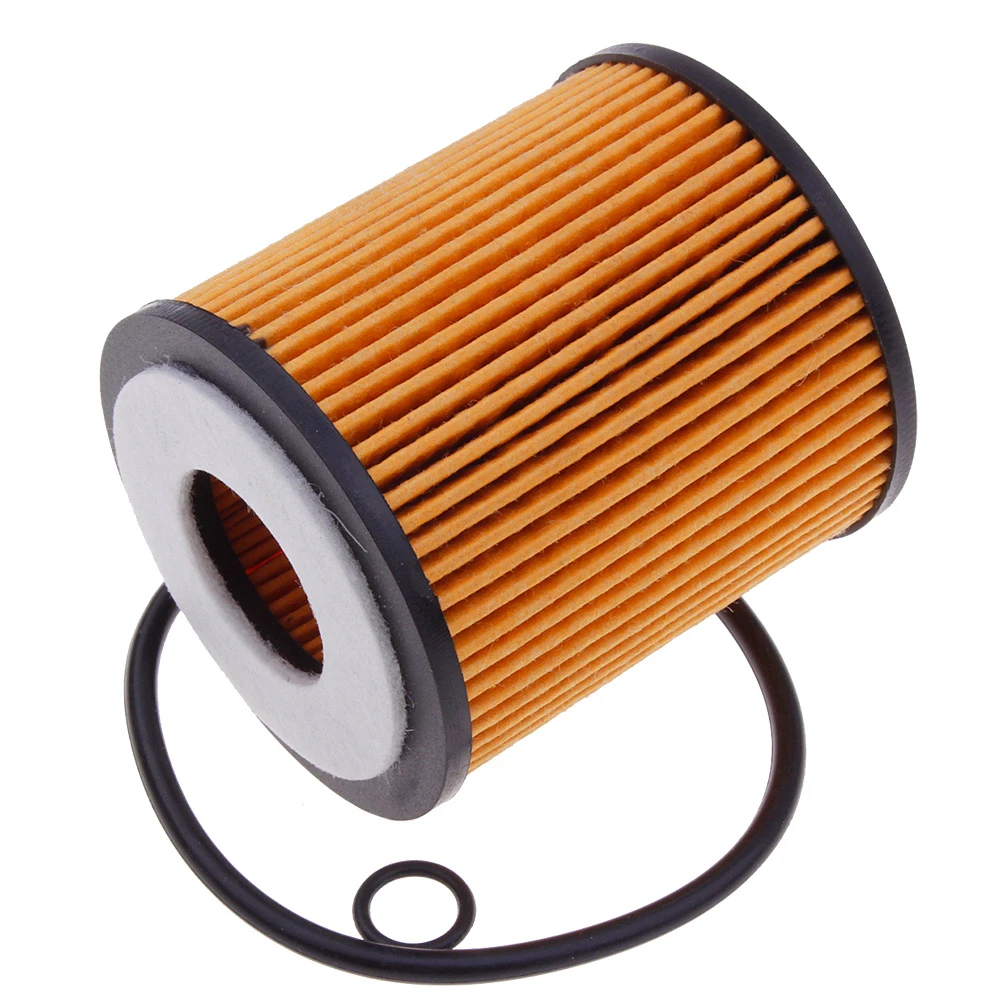
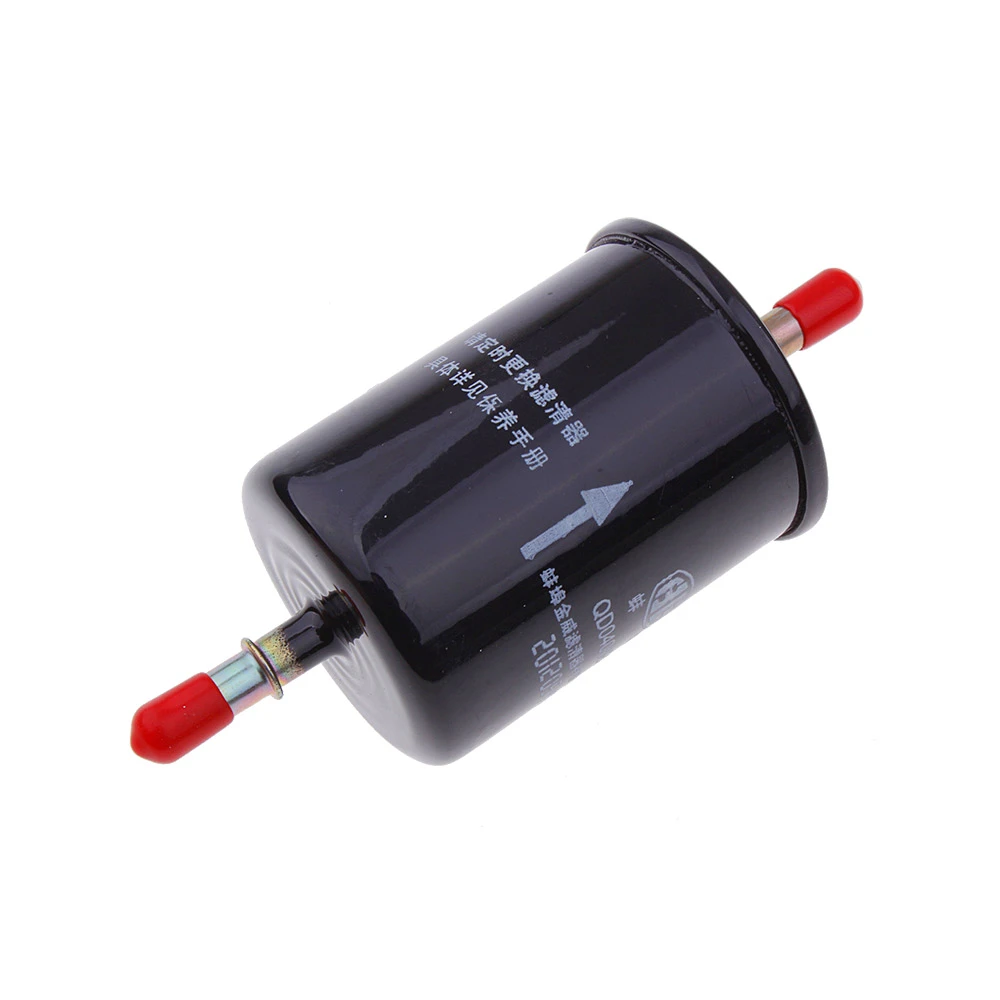
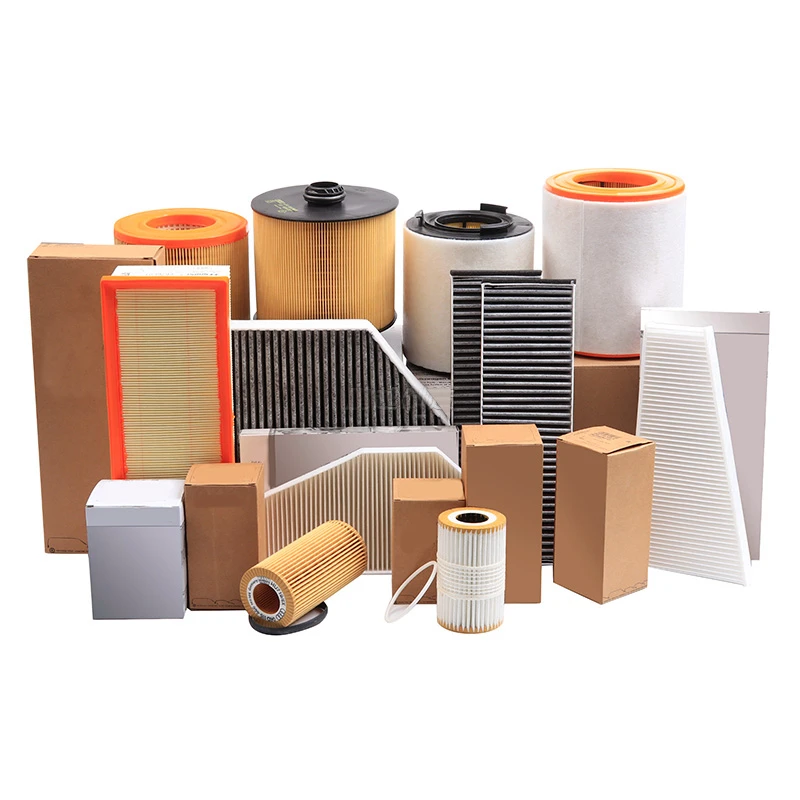
A Field Guide to the Modern Gasoline Filter Screen
If you’ve ever torn down a fuel module or rebuilt a small engine, you already know the quiet hero in that assembly: the Gasoline Filter Screen. It looks simple—wire mesh, molded head, maybe a crimped seam—but the engineering story is richer than most people think. And, to be honest, the market is changing fast as automakers squeeze for cleaner combustion and longer fuel-system life.
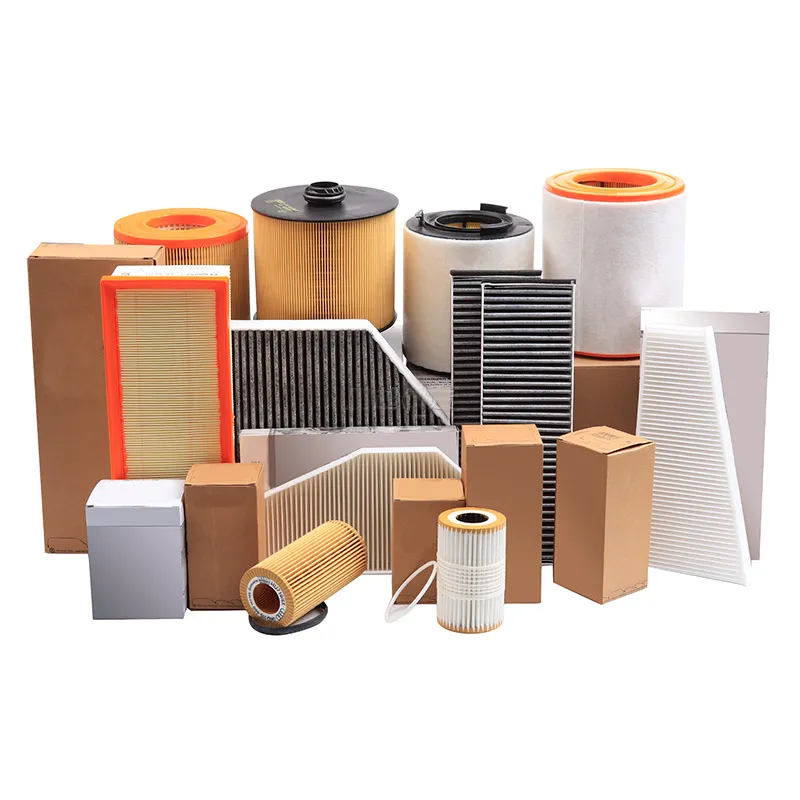
Industry pulse: what’s trending
Three things we keep seeing: tighter micron ratings (down to 20–40 μm pre-pump), ethanol-compatible elastomers (E10–E85), and durability that actually survives today’s hot returnless systems. Suppliers in Hebei, China—yes, including the team in Niujiatun Village, Gexianzhuang Town, Qinghe County, Xingtai—have become surprisingly strong in OEM and aftermarket runs. Many customers say the consistency is getting close to Tier 1.

Typical specs (real-world use may vary)
| Material | 316L SS woven mesh / Nickel mesh / PA66 overmold (fuel-grade) |
| Filtration rating | ≈ 20–80 μm (β-ratio per ISO-style multipass testing) |
| Operating temp | -40 to +120°C continuous; short peaks to 140°C |
| Pressure drop | ≈ 2–8 kPa at 100 L/h (gasoline, 25°C) |
| Corrosion resistance | Salt spray ≥ 72 h (SS mesh); ethanol blends compatible |
| Burst/Crush | > 0.6 MPa typical (geometry dependent) |
| Service life | 30,000–60,000 km vehicle use, or 500–1,000 h small engines |
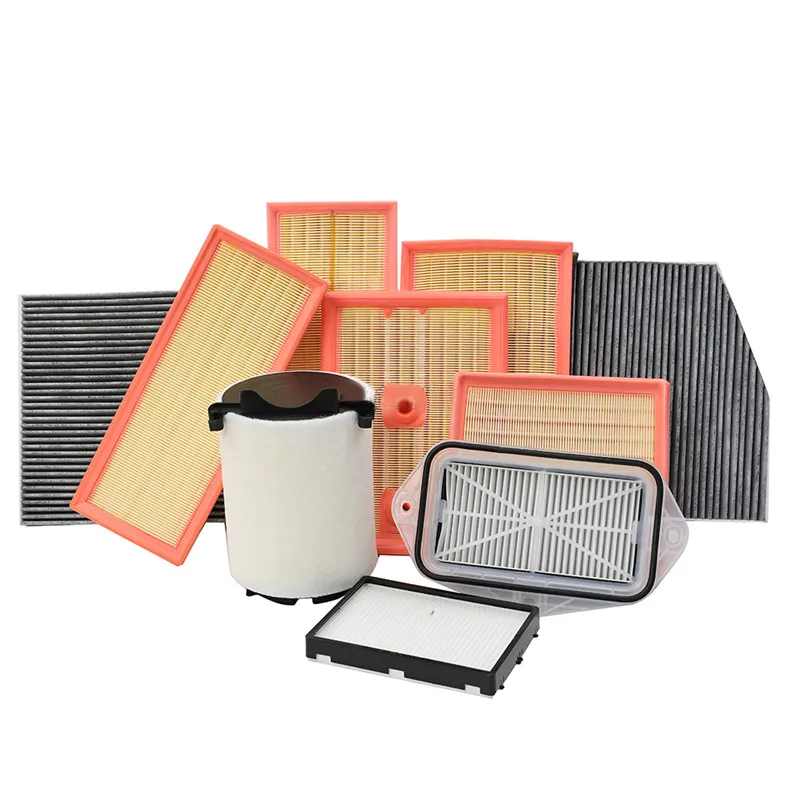
Process flow (how it’s actually made)
- Materials: 316L stainless mesh (60–200 mesh), fuel-grade PA66/PA12 overmold, FKM/NBR seals.
- Methods: precision slitting, stamping or laser cutting, TIG spot welding or micro-resistance welding, overmolding, ultrasonic cleaning, oven drying.
- Testing: particle efficiency per ISO 16380/SAE J905; pressure drop curve; burst; thermal aging; ethanol soak; cleanliness per VDA 19.1.
- Certifications: ISO 9001, IATF 16949 for automotive production lines.
Actual test snapshot (one mid-size Gasoline Filter Screen): η50μm ≈ 98.5%; ΔP = 5.2 kPa @ 100 L/h; no leakage after 96 h E20 soak at 60°C. Not bad.
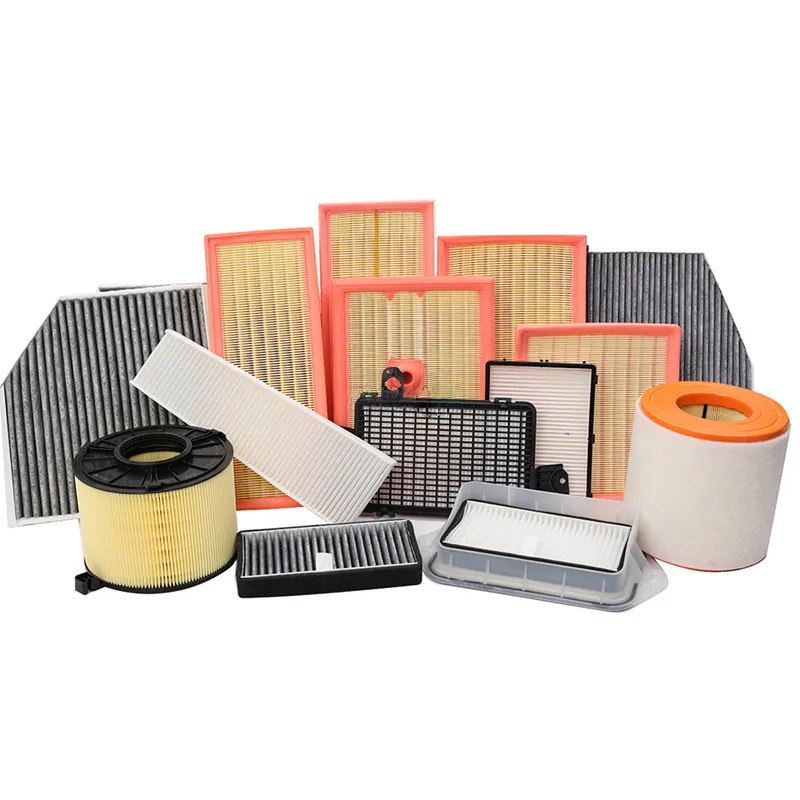
Where it’s used
- In-tank pump pre-filters (most common). - EFI rail pre-screens. - Carburetor inlet filters for small engines, ATVs, and marine. - Fail-safe screens upstream of high-pressure pumps in GDI. In fact, pairing a robust Gasoline Filter Screen with a high-efficiency main cartridge keeps injectors happier and engines cleaner.
Vendor landscape (quick take)
| Vendor | Strengths | Notes |
|---|---|---|
| JY Filter (Hebei, China) | IATF 16949 line, custom mesh/overmold, fast tooling | Origin: Niujiatun Village, Gexianzhuang Town, Qinghe County, Xingtai |
| Vendor B (EU) | Premium metallurgy, extensive PPAP levels | Higher cost; stellar documentation |
| Vendor C (US) | Rapid prototyping, small-batch pilot builds | Lead times vary seasonally |
Customization tips
Ask for mesh count variants (e.g., 80/120/180), pleated cylinders vs. flat discs, PA12 overmold for ethanol-heavy markets, and FKM seals. Also specify acceptance criteria: efficiency curve (20–80 μm), ΔP targets, and cleanliness level.
Mini case studies
Compact SUV (GDI): Switched to 60 μm SS mesh pre-pump screen; injector return rate dropped 32% over 12 months, per customer warranty data.
Small generator fleet: Nylon-mesh-to-SS upgrade; service interval extended from 300 h to ~700 h, with fewer cold-start complaints. It seems that ethanol swelling was the original culprit.
Standards and references
Validation should trace to ISO 16380 for fuel filter tests, SAE J905 for gasoline filter methods, and cleanliness via VDA 19.1. For air intake systems allied to the same supplier base, ISO 5011 remains the go-to benchmark.
Related product track
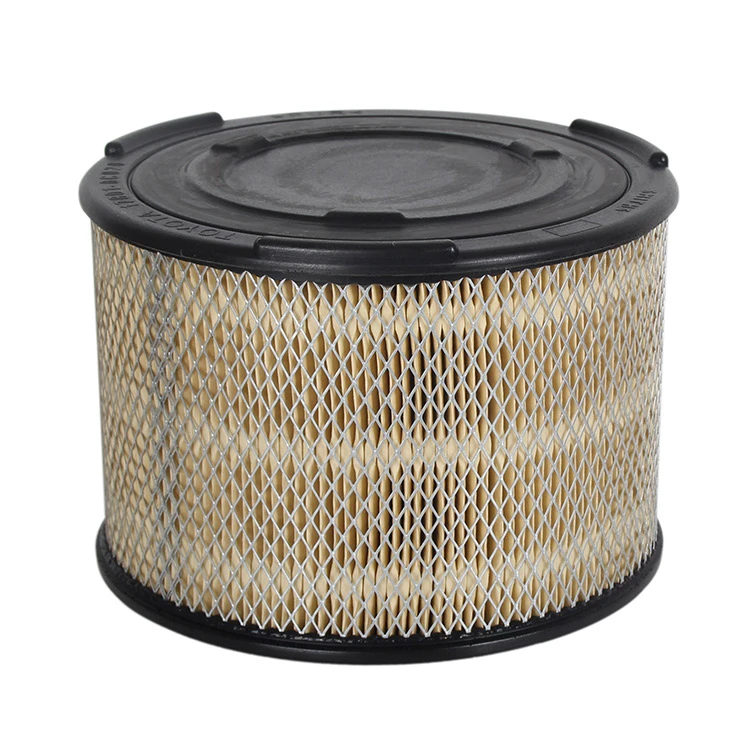
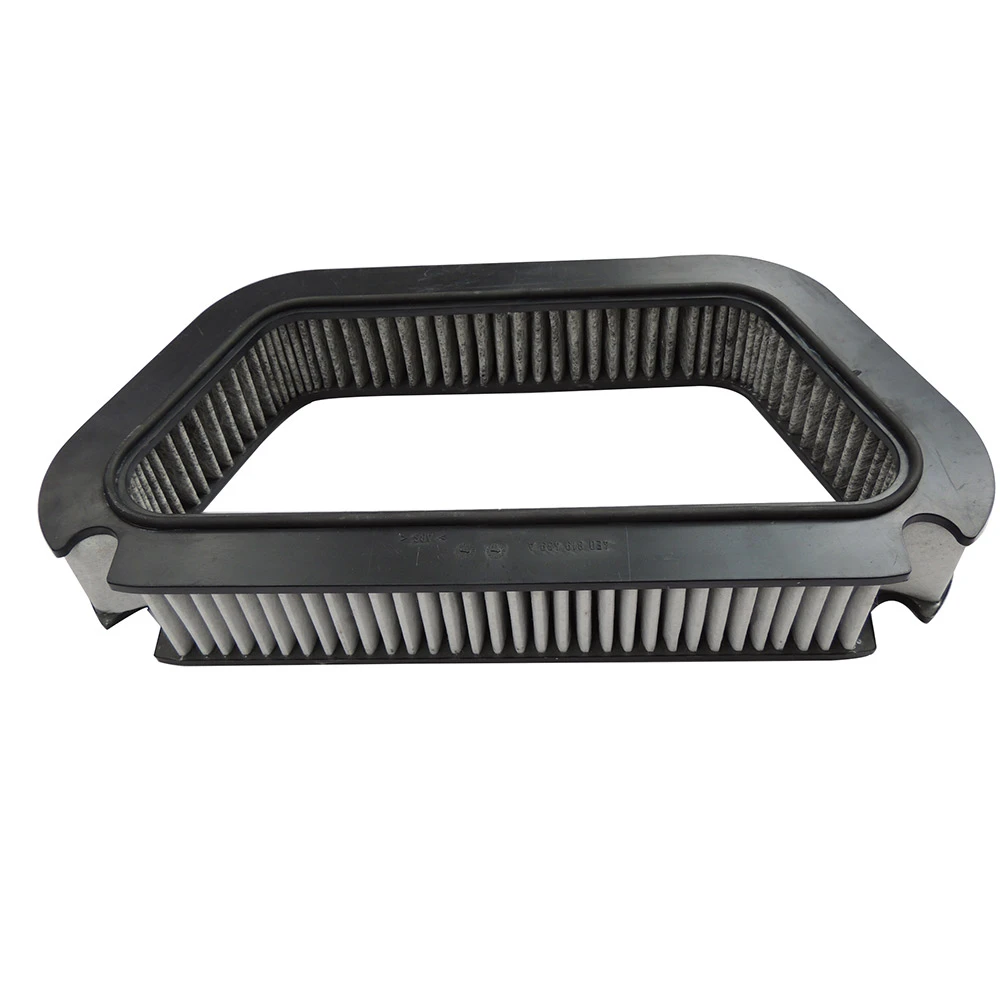
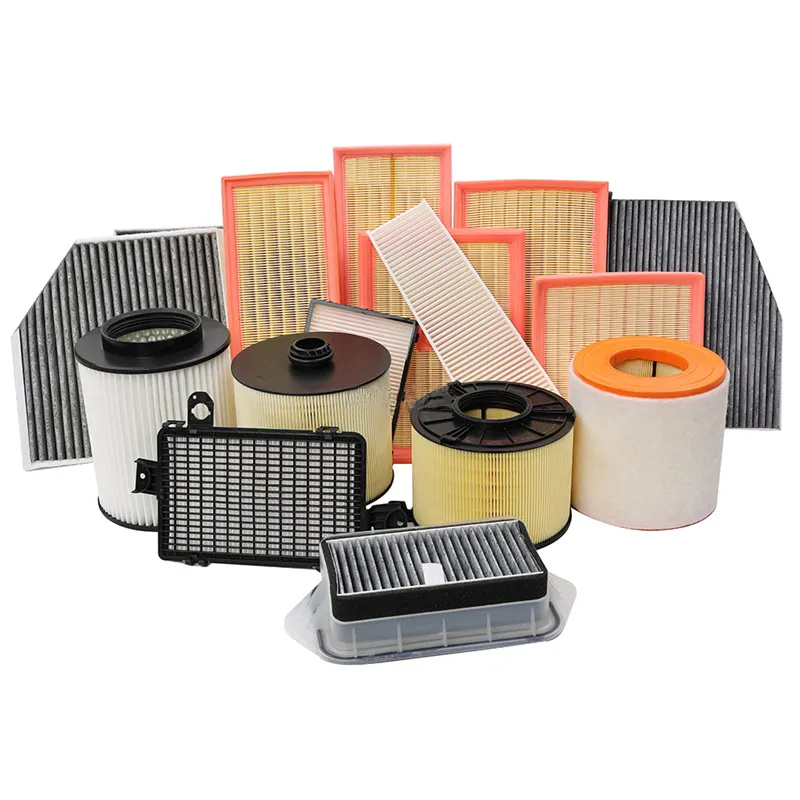
Suppliers that build robust Gasoline Filter Screen assemblies often run parallel programs for engine air filters (the “Automotive Engine” air filter line), which—actually—helps with quality systems, media handling, and PPAP maturity across both product families.
Citations
- ISO 16380: Road vehicles — Fuel filters for internal combustion engines — Test methods.
- SAE J905: Fuel Filters—Gasoline—Test Methods.
- ISO 5011: Inlet air cleaning equipment for internal combustion engines and compressors—Performance testing.
- VDA 19.1: Inspection of technical cleanliness—Particulate contamination of functionally-relevant automotive components.
-
Guide on how often do you need to replace engine air filterNewsApr.16,2026
-
Learn how often do you replace air filter in car for engine healthNewsApr.09,2026
-
How Often Do You Replace Car Air Filter For Optimal Engine PerformanceNewsApr.07,2026
-
How Often Do You Replace Engine Air Filter For Optimal Vehicle PerformanceNewsApr.04,2026
-
Understanding How Often Does Engine Air Filter Need to Be Replaced for Optimal PerformanceNewsMar.31,2026
-
How Often Engine Air Filter Change Impacts Performance and LongevityNewsMar.28,2026
-
Understanding How Often to Replace Your Car Air Filter for Optimal PerformanceNewsMar.26,2026
Related Products