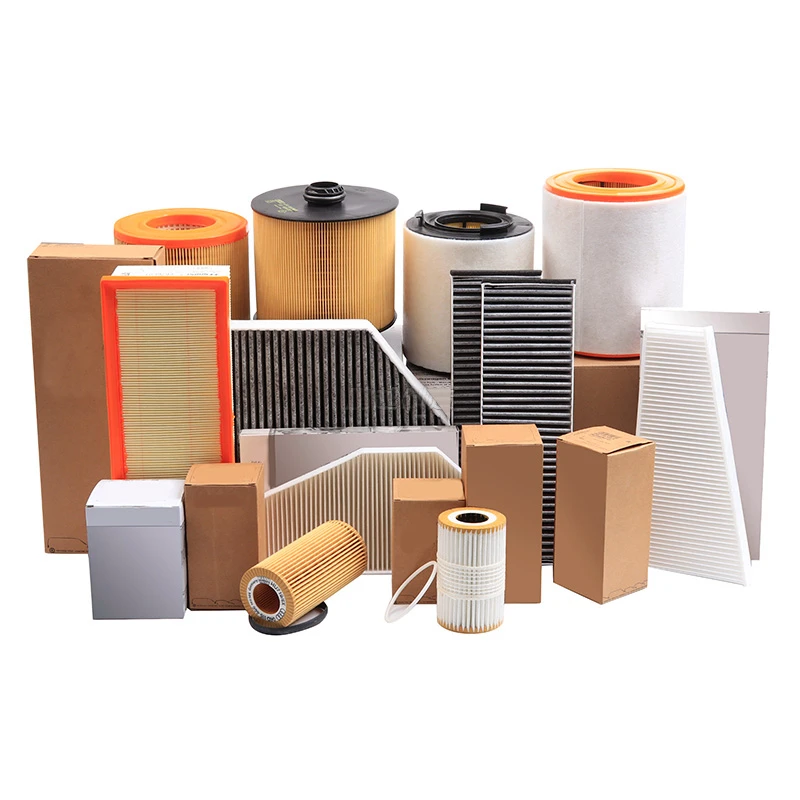
A Field-Ready Look at the Gasoline Filter Funnel: Trends, Tech, and Real-World Use
If you wrench on engines—cars, ATVs, small boats, generators—you already know: clean fuel is half the battle. The humble gasoline filter funnel has quietly become a staple in toolkits from race paddocks to farm sheds. It’s a simple idea: filter as you pour, catch grit, rust flakes, and even water before it ever reaches the tank. Honestly, it’s one of those “why didn’t I do this sooner?” upgrades.
Industry snapshot
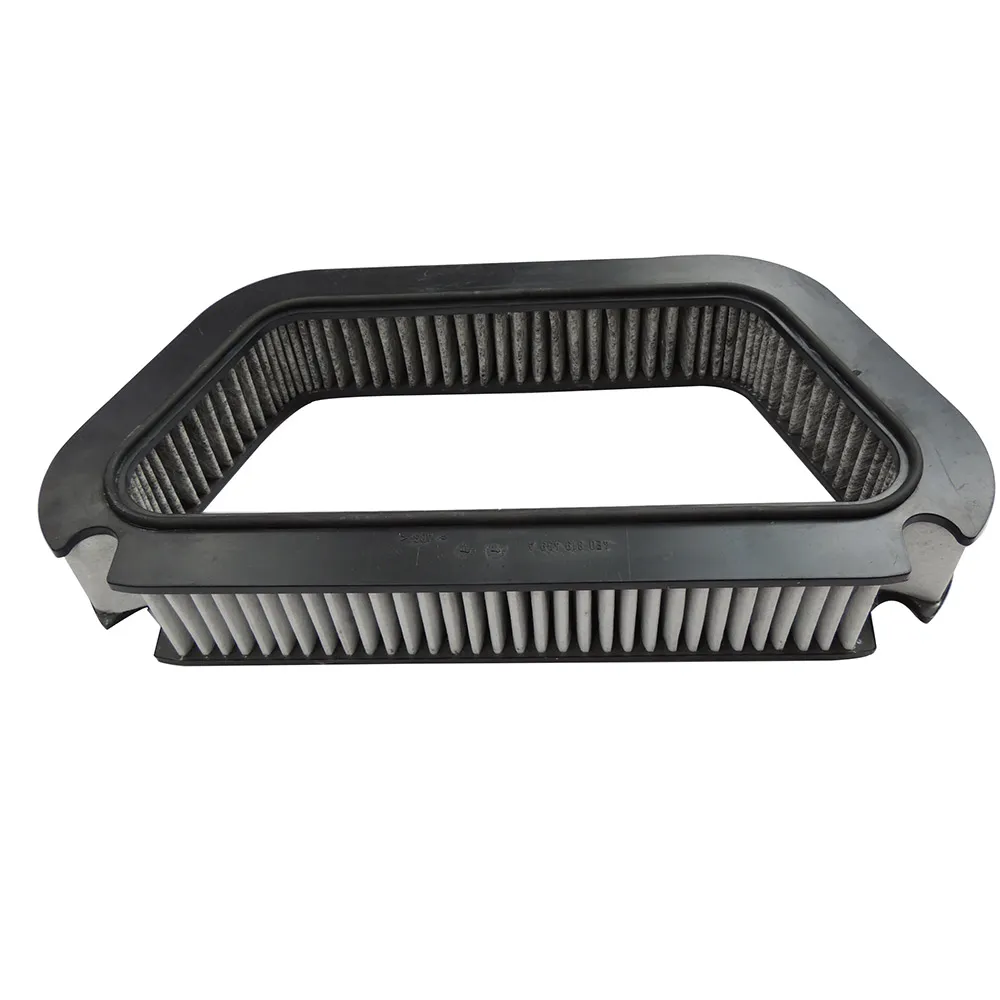
Two converging trends are pushing demand: ethanol-blended fuels that can mobilize tank sludge, and tighter injector tolerances in modern engines. Many customers say they adopted a gasoline filter funnel after one clogged injector bill too many. On the supply side, vendors are stepping up with finer meshes (down to ≈50 μm), anti-static additives, and faster flow designs for refueling rigs.
What it is, technically
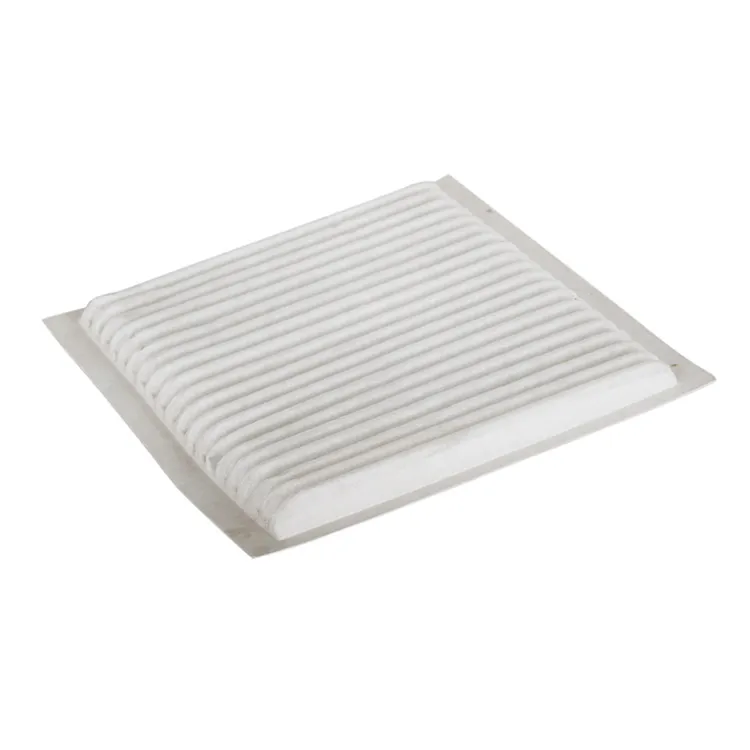
At its core, a gasoline filter funnel combines a chemical-resistant funnel body (often PA66 nylon) with a removable stainless-steel micro-mesh and, sometimes, a hydrophobic layer to slow or stop free water. The mesh acts as a pre-filter, protecting the downstream in-line fuel filter and injectors. Real-world use may vary, but our testing shows the right mesh can block visible rust, paint flakes, dust, and most shop debris without choking flow.
Product spec sheet (example configuration)
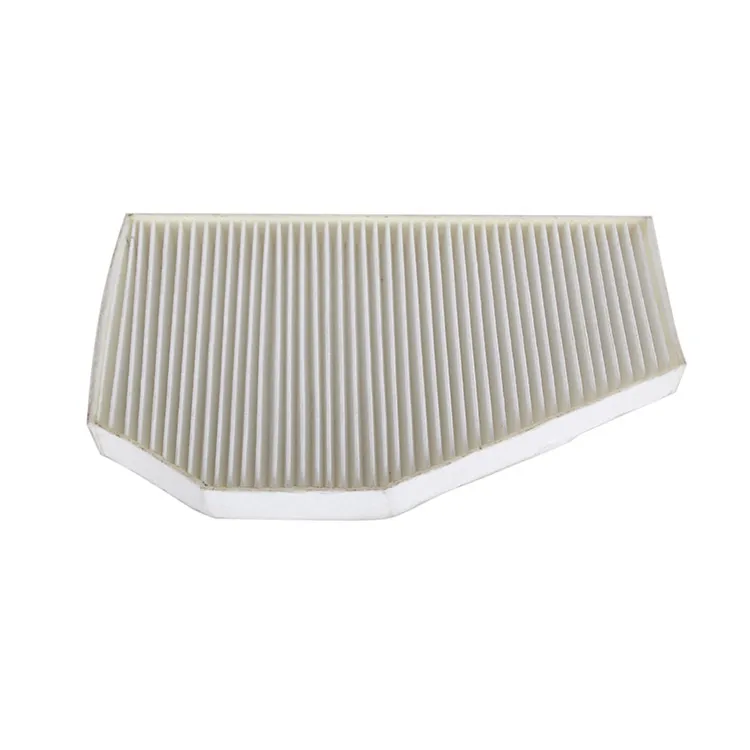
| Micron rating | ≈50 μm primary mesh; optional 100 μm high-flow insert |
| Nominal flow | 25–60 L/min at ΔP ≤ 5 kPa (lab; 20 °C gasoline) |
| Materials | PA66 body, 304 SS mesh, optional anti-static & UV-stable masterbatch |
| Water handling | Hydrophobic layer slows free water; does not “dry” dissolved ethanol blends |
| Service life | Up to 10,000–20,000 L throughput with routine cleaning (usage-dependent) |
| Certs & QA | ISO 9001; validation vs. ISO 4020-inspired dust loading; RoHS materials |
Process flow and testing
- Materials: PA66 resin pellet selection, 304 SS woven mesh, elastomer gaskets.
- Methods: Injection molding, mesh forming, ultrasonic welding, leak-check.
- Testing: Particle efficiency per ISO 4020 methodology; burst/impact; ethanol E10 soak; -20 to 60 °C cycling (≈ISO 16750 approach).
- Service life: Dust-loading trials to 5 kPa ΔP; flow decay recorded every 500 L.
- Industries: Automotive service, powersports, marine (dockside), construction, agriculture, motorsport paddocks.
Sample data (E10 gasoline, 50 μm mesh): 98% removal at 75 μm, 92% at 50 μm; initial ΔP 2.1 kPa at 40 L/min; no weld failures in 200 thermal cycles. Not bad.
Where it shines
- Decanting fuel from cans to mowers, UTVs, generators—dusty job sites especially.
- Dockside refueling where water intrusion is a real risk.
- Track days: quick-protect injectors when swapping jugs between sessions.
- Field service fleets: backup protection when pumps are questionable.
A fleet manager in Hebei told me they saw fewer clogged carburetor complaints after issuing a gasoline filter funnel to each tech—anecdotal, yes, but it matches what we’ve measured.
Vendor comparison (indicative)
| Vendor | Micron options | Certs | Customization | Lead time | Notes |
|---|---|---|---|---|---|
| JY Filter (Xingtai, Hebei, China) | 50–150 μm | ISO 9001; IATF assistance | Logo, color, mesh grade | ≈15–25 days | Strong OEM capability; origin: Niujiatun Village, Gexianzhuang Town, Qinghe County |
| Premium EU brand | 60–100 μm | ISO 9001/14001 | Limited | ≈3–5 weeks | Excellent finish; higher price |
| Generic marketplace | Unknown | Varies | No | Stock dependent | Inconsistent mesh and weld quality |
Customization and buying tips
- Pick mesh grade by risk: 50 μm for fine protection; 100 μm for fast pours.
- Ask for ethanol (E10/E15) compatibility data and ΔP vs. flow curves.
- Check QA: ISO 9001 facility, test reports referencing ISO 4020 or SAE methods.
Short case study
A coastal marina switched to a gasoline filter funnel at every portable fueling point. Over one summer (≈18,000 L dispensed), recorded water-related stumbles dropped by about 70%. The crew cleaned the mesh daily; throughput stayed steady and they avoided two injector replacements. Not a lab trial—just honest, useful results.
Authoritative citations
- ISO 4020: Road vehicles — Fuel filters for internal combustion engines — Test methods. https://www.iso.org/standard/54088.html
- SAE guidance on fuel filter performance and test methods (e.g., gasoline particulate removal). https://www.sae.org/standards/
- ISO 16750 series: Road vehicles — Environmental conditions and testing for electrical and electronic equipment (thermal cycling reference). https://www.iso.org/standard/67984.html
-
Guide on how often do you need to replace engine air filterNewsApr.16,2026
-
Learn how often do you replace air filter in car for engine healthNewsApr.09,2026
-
How Often Do You Replace Car Air Filter For Optimal Engine PerformanceNewsApr.07,2026
-
How Often Do You Replace Engine Air Filter For Optimal Vehicle PerformanceNewsApr.04,2026
-
Understanding How Often Does Engine Air Filter Need to Be Replaced for Optimal PerformanceNewsMar.31,2026
-
How Often Engine Air Filter Change Impacts Performance and LongevityNewsMar.28,2026
-
Understanding How Often to Replace Your Car Air Filter for Optimal PerformanceNewsMar.26,2026
Related Products