
Introduction to Advanced Fuel Filtration
In critical industrial and commercial applications, ensuring fuel purity is paramount for operational efficiency, equipment longevity, and compliance with environmental regulations. Contaminated fuel can lead to significant downtime, costly repairs, and reduced performance in engines, generators, and other fuel-powered machinery. This necessitates the use of robust and highly effective filtration solutions. Among these, the gasoline filter funnel stands out as an essential tool for preventing the ingress of particulate matter and water during fuel transfer and refueling operations.
Our focus on the gasoline filter funnel addresses the growing demand for reliable, portable, and efficient fuel pre-filtration. These devices are designed to capture contaminants before they ever reach the primary fuel system, thereby extending the life of engine components and reducing maintenance intervals. This article delves into the technical aspects, application scenarios, and advantages of modern fuel filtration funnels, providing a comprehensive guide for B2B decision-makers and engineers seeking optimal fuel management solutions.
Industry Trends in Fuel Filtration Technology
The global landscape of fuel management is rapidly evolving, driven by stringent environmental regulations, advancements in engine technology, and the increasing complexity of fuel formulations. Key trends impacting the design and adoption of the gasoline filter funnel include:
- Increased Filtration Finesse: Modern engines, particularly those with common rail injection systems, require fuel cleanliness levels that were unimaginable a decade ago. This necessitates finer filtration media, often down to 10 microns or less, to protect delicate injectors from abrasive particles.
- Water Separation Efficiency: The presence of water, often from condensation or storage, can lead to microbial growth, corrosion, and catastrophic engine failure. Advanced gasoline filter screen technologies now incorporate hydrophobic elements that effectively repel and separate water from fuel.
- Biofuel Compatibility: The increasing use of ethanol and biodiesel blends presents challenges for traditional filtration materials, as these fuels can degrade certain plastics and elastomers. Next-generation filtration funnels utilize materials compatible with a wide range of fuel types.
- Durability and Service Life: Industrial applications demand robust equipment. Trends show a move towards filter materials and housing designs that offer extended service life and resistance to harsh operating conditions, reducing the overall gas filter cost through fewer replacements.
- Portability and Ease of Use: For on-the-go refueling in construction, agriculture, or marine sectors, portable and easy-to-use filtration devices are gaining traction, making the gasoline filter funnel a crucial component.
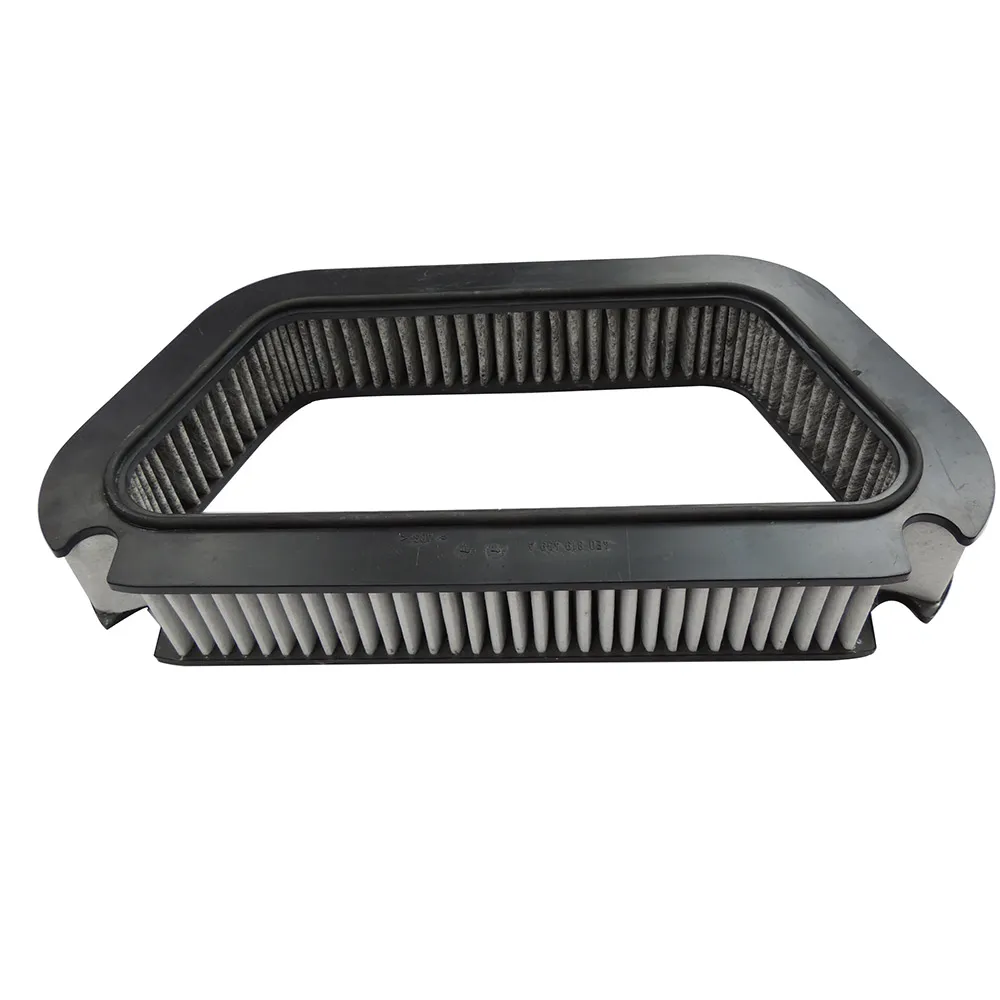
Manufacturing Process of a High-Performance Gasoline Filter Funnel
The production of a reliable gasoline filter funnel involves a series of precision-engineered steps, ensuring both mechanical integrity and superior filtration performance. Our manufacturing process adheres to strict quality control protocols, often meeting or exceeding ISO 9001 standards for quality management systems.
Key Stages:
- Material Selection: The primary components of our funnels are manufactured from high-grade, chemical-resistant polymers (e.g., HDPE, Nylon 66) for the funnel body, ensuring compatibility with various fuel types and resistance to impact. The internal gasoline filter screen is typically constructed from advanced synthetic media or stainless steel mesh, chosen for its specific micron rating and durability.
- Injection Molding (for funnel body): The funnel body is precisely formed using high-pressure injection molding techniques. This process ensures consistent wall thickness, structural integrity, and ergonomic design. Advanced tooling guarantees tight tolerances and a smooth finish, critical for ease of cleaning and preventing residue accumulation.
- Filter Media Production: The gasoline strainer element itself undergoes specialized manufacturing. For synthetic media, this involves a melt-blown or spun-bond process to create a multi-layer media with controlled pore sizes. Stainless steel mesh elements are woven or sintered to achieve precise micron ratings and high strength. These media are often treated with hydrophobic coatings to enhance water separation.
- Assembly and Sealing: The filter media is then securely integrated into the funnel body. This typically involves ultrasonic welding or specialized sealing techniques to ensure a leak-proof and bypass-free seal, preventing unfiltered fuel from bypassing the screen.
- Quality Assurance and Testing: Each gasoline filter funnel undergoes rigorous testing. This includes visual inspection for defects, dimensional checks, and functional tests such as flow rate analysis and pressure drop measurements. Select units may undergo filtration efficiency testing using calibrated particulate matter to verify their stated micron rating. Adherence to standards like ISO 4020 for filter performance evaluation ensures consistent quality.
- Packaging: Products are carefully packaged to prevent damage during transit and storage, often including clear labeling for easy identification of specifications.
The estimated service life of a well-maintained gasoline filter funnel, depending on fuel quality and usage frequency, typically ranges from 1 to 5 years, or until a noticeable drop in flow rate indicates clogging. Our products are engineered for exceptional corrosion resistance and are suitable for target industries such as petrochemical, marine, agriculture, construction, and power generation. In typical application scenarios, these funnels contribute to energy saving by ensuring clean fuel, which optimizes engine combustion efficiency, and their robust construction offers superior corrosion resistance compared to lower-grade alternatives.
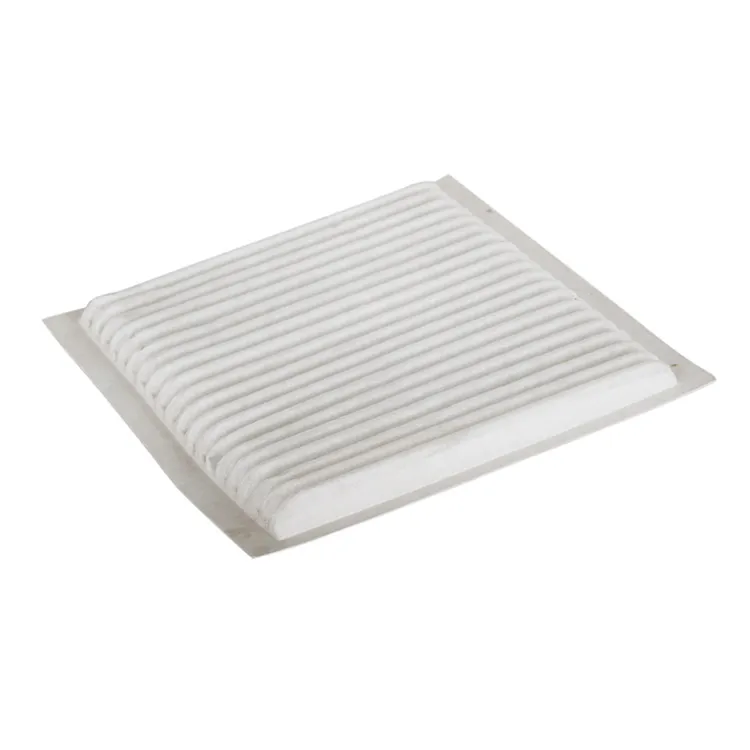
Technical Specifications and Parameters
Understanding the technical specifications of a gasoline filter funnel is crucial for selecting the appropriate model for specific operational requirements. Our products are engineered with precision to deliver optimal performance.
Typical Product Specifications for a Gasoline Filter Funnel:
| Parameter | Specification | Details |
|---|---|---|
| Filtration Micron Rating | 10 Micron (Standard), 25 Micron, 5 Micron (Precision) | Removes particulates and debris; finer ratings for sensitive equipment. |
| Water Separation Efficiency | Up to 99.9% free water removal | Utilizes hydrophobic filter media to repel and separate water. |
| Flow Rate | Up to 15 GPM (57 LPM) | Dependent on funnel size and media type; optimized for rapid refueling. |
| Materials of Construction | High-Density Polyethylene (HDPE), Nylon 66, Stainless Steel | Chemical-resistant, impact-resistant, and durable for industrial use. |
| Operating Temperature Range | -20°C to 50°C (-4°F to 122°F) | Suitable for a wide range of environmental conditions. |
| Antistatic Properties | Yes, for safety | Reduces static electricity build-up during fuel transfer. |
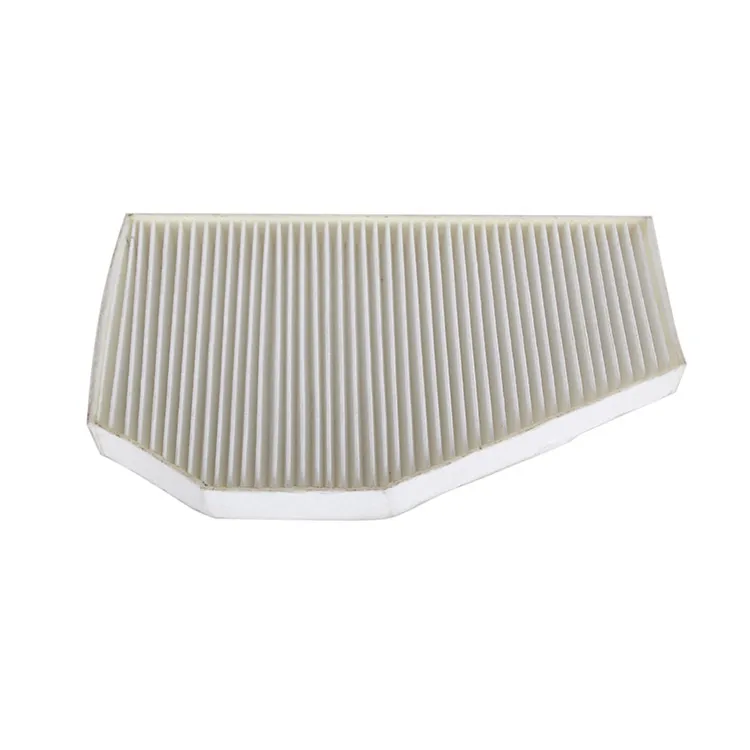
Application Scenarios and Technical Advantages
The versatility of the gasoline filter funnel makes it indispensable across a multitude of industries where fuel purity directly impacts operational continuity and equipment health.
Typical Application Scenarios:
- Marine Industry: Essential for preventing water and sediment from entering boat fuel tanks, especially when refueling from various sources or in humid environments. Protects sensitive marine engines from damage.
- Agriculture: Filtering fuel for tractors, harvesters, and other farm machinery, often refueled in dusty outdoor conditions, prevents contamination from storage tanks or mobile dispensers.
- Construction & Mining: Heavy equipment operating in harsh environments benefits immensely from pre-filtered fuel, reducing wear on expensive diesel engines and hydraulic systems.
- Power Generation: Ensuring clean fuel for backup generators, particularly in critical infrastructure, is vital for reliable power during outages. The gasoline filter screen protects against emergency system failures.
- Fleet Management & Logistics: Maintaining fuel quality across a diverse fleet of vehicles and equipment significantly reduces maintenance costs and extends vehicle lifespan.
Technical Advantages:
- Enhanced Engine Longevity: By removing abrasive particles and harmful water, our funnels drastically reduce wear on fuel injectors, pumps, and other critical engine components, leading to significantly longer equipment life.
- Reduced Maintenance & Downtime: Cleaner fuel means fewer clogged fuel filters (reducing gas filter cost for replacements), less injector fouling, and ultimately less unscheduled downtime for repairs. This translates directly into operational savings.
- Improved Fuel Efficiency (Energy Saving): Precise fuel atomization, enabled by clean fuel, results in more complete combustion, enhancing engine performance and reducing fuel consumption. Data from studies suggest that optimized fuel filtration can improve fuel economy by 1-3% depending on engine type and previous fuel quality.
- Corrosion Resistance: The robust construction materials ensure the funnel itself resists corrosion from various fuel additives and environmental factors, guaranteeing a long product lifespan even in demanding conditions.
- Environmental Compliance: Cleaner combustion due to filtered fuel contributes to lower emissions, helping organizations meet increasingly stringent environmental regulations.
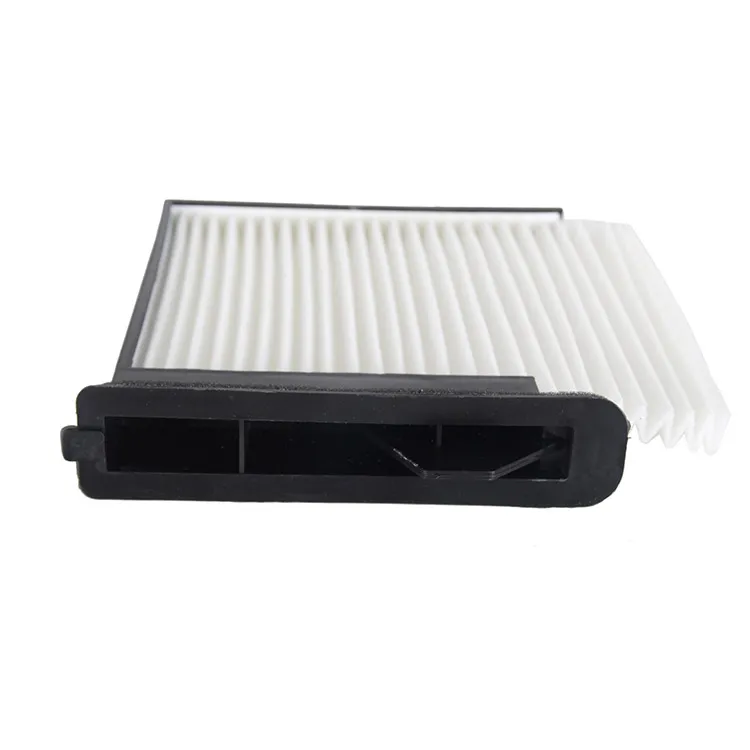
Vendor Comparison and Customization Solutions
When investing in fuel filtration solutions, discerning buyers assess not just product features but also vendor capabilities in terms of quality, support, and flexibility. Here’s how our offerings stand in comparison:
Comparative Advantages:
| Feature | Our Gasoline Filter Funnel | Generic Competitor (Typical) |
|---|---|---|
| Filtration Media Quality | Multi-layer synthetic media with validated micron ratings (e.g., 10μ Absolute), hydrophobic coating. | Single-layer screen (e.g., 25μ Nominal), less effective water separation. |
| Material Durability | Virgin HDPE/Nylon 66, UV-stabilized, high impact resistance. | Recycled plastics, prone to cracking, poor UV resistance. |
| Water Separation | Highly efficient (>99% free water removal), critical for preventing microbial growth and corrosion. | Limited or no effective water separation. |
| Antistatic Feature | Integrated antistatic properties for safety during refueling. | Often absent, posing fire/explosion risk. |
| Certifications | ISO 9001, tested to relevant fuel filtration standards. | Minimal or no verifiable certifications. |
Customized Solutions:
Recognizing that diverse industrial needs require tailored solutions, we offer extensive customization options for our gasoline filter funnel range:
- Micron Rating Adjustments: We can configure the gasoline strainer to specific micron levels (e.g., 2μ, 5μ, 10μ, 25μ) to match the cleanliness requirements of various engine types and fuel systems.
- Material Variations: While our standard materials are highly robust, we can explore specialized polymer blends for extreme chemical compatibility or temperature ranges. For internal elements, alternative alloys or coated stainless steel meshes can be provided.
- Size and Flow Rate Optimization: Funnels can be designed in various sizes and with optimized outlet diameters to achieve desired flow rates for specific dispensing equipment or tank capacities.
- Branding and Color: For large-volume orders, we offer branding options, including custom colors and logo integration, to align with corporate identity standards.
- Integration with Existing Systems: Our engineering team can work with clients to design funnels that seamlessly integrate with their existing fuel transfer equipment, ensuring compatibility and ease of use.
Our commitment to customization ensures that every client receives a fuel filtration solution perfectly aligned with their operational demands, maximizing both efficiency and return on investment.
Application Case Studies and Customer Experience
Case Study 1: Marine Fleet Operations
A large commercial fishing fleet operating in coastal waters faced persistent issues with engine performance degradation and frequent fuel filter replacements due to water and particulate contamination in their diesel and gasoline supplies. After implementing our 10-micron gasoline filter funnel for all refueling operations, they reported a dramatic reduction in primary fuel filter change-outs, extending their service life by over 30%. Engine misfires decreased by 40%, leading to enhanced operational reliability and an estimated annual savings of over $20,000 in maintenance and downtime costs across their fleet. The ease of use and the visible separation of water and debris in the funnel instilled significant user confidence among their refueling personnel.
Case Study 2: Remote Construction Site Fueling
A major infrastructure project in a remote, dusty region utilized mobile fuel bowsers to supply heavy machinery. Dust and sediment from the environment, combined with inconsistent fuel quality from local suppliers, frequently led to clogged fuel injectors and unexpected equipment breakdowns. By integrating our robust gasoline filter funnel with a 25-micron gasoline filter screen at each refueling point, the project management observed a 25% reduction in machinery idle time attributed to fuel system issues. This not only improved project timelines but also significantly lowered the overall gas filter cost for the fleet, as fewer sophisticated on-board filters needed replacement. The antistatic features of the funnel also enhanced safety protocols on site.
Customer Feedback:
"Our field technicians frequently refuel generators in challenging conditions. The durability and effective filtration of these funnels have dramatically improved the reliability of our power supply equipment. We've seen a measurable decrease in filter-related service calls since adopting them across our operations." - Head of Field Services, Telecommunications Provider.
Trustworthiness: FAQ, Lead Time, Warranty, and Support
Frequently Asked Questions (FAQ):
- Q: How do I know when to clean or replace my gasoline filter funnel?
A: A noticeable reduction in fuel flow rate indicates the filter media is becoming clogged. While regular cleaning with appropriate solvents can extend life, eventual replacement of the internal gasoline strainer element or the entire funnel is recommended when flow is significantly impeded after cleaning, or if the media appears damaged. - Q: Is the funnel compatible with all types of gasoline and diesel?
A: Yes, our funnels are constructed from materials specifically chosen for broad compatibility with various petroleum-based fuels, including unleaded gasoline, diesel, kerosene, and common ethanol/biodiesel blends (up to E10/B20). For higher blend concentrations or alternative fuels, please consult our technical team. - Q: Does the funnel separate water from ethanol-blended fuels?
A: Our hydrophobic filter media is highly effective at separating free water from fuel. However, ethanol-blended fuels can absorb a certain amount of water (dissolved water) that cannot be separated mechanically. The funnel will still remove free water and particulates. - Q: What is the typical gas filter cost of your funnels compared to other filtration methods?
A: While initial investment varies by model and specifications, the overall cost-effectiveness is superior due to extended equipment life and reduced maintenance. The funnel acts as a first line of defense, significantly reducing the frequency and gas filter cost of replacing more expensive on-board fuel filters.
Lead Time and Fulfillment:
Standard models of the gasoline filter funnel are typically stocked and available for immediate shipment, with lead times of 3-5 business days for small to medium orders. For large volume orders or customized solutions, lead times may range from 2-4 weeks, depending on complexity and material availability. We leverage an efficient global logistics network to ensure timely delivery to our B2B partners worldwide.
Warranty Commitments:
We stand behind the quality of our products. All our gasoline filter funnels come with a standard 1-year manufacturer’s warranty covering defects in materials and workmanship from the date of purchase. This warranty underscores our confidence in the durability and performance of our filtration solutions. Extended warranty options are available for specific industrial applications and long-term partnership agreements.
Customer Support Information:
Our dedicated B2B customer support team is available to assist with product selection, technical inquiries, order processing, and after-sales service. We offer multi-channel support including phone, email, and a dedicated online portal for registered clients. Our technical specialists provide expert guidance on installation, maintenance, and troubleshooting to ensure optimal performance and longevity of your fuel filtration equipment. Partnership is at the core of our service philosophy.
Conclusion
The importance of maintaining fuel purity cannot be overstated in today's demanding industrial and commercial environments. The gasoline filter funnel serves as a vital first line of defense against harmful contaminants, offering a cost-effective and highly efficient solution for pre-filtration. By understanding the intricate manufacturing processes, technical specifications, and myriad application benefits, B2B decision-makers can make informed choices that lead to enhanced operational efficiency, reduced maintenance costs, and extended equipment lifespan. Our commitment to quality, innovation, and customer-centric solutions ensures that our gasoline filter funnels not only meet but exceed industry expectations, providing unparalleled value to our global clientele.
References
- ISO 9001:2015 Quality management systems – Requirements. International Organization for Standardization.
- SAE J1488: Fuel Filter Test Method. Society of Automotive Engineers.
- ASTM D6426: Standard Test Method for Determining Filter Blocking Tendency of Distillate Fuel Oils. ASTM International.
- Department of Energy (DOE) - Fuel Quality and Impact on Engine Performance studies.
- National Renewable Energy Laboratory (NREL) - Biofuel Compatibility Research.
-
Guide on how often do you need to replace engine air filterNewsApr.16,2026
-
Learn how often do you replace air filter in car for engine healthNewsApr.09,2026
-
How Often Do You Replace Car Air Filter For Optimal Engine PerformanceNewsApr.07,2026
-
How Often Do You Replace Engine Air Filter For Optimal Vehicle PerformanceNewsApr.04,2026
-
Understanding How Often Does Engine Air Filter Need to Be Replaced for Optimal PerformanceNewsMar.31,2026
-
How Often Engine Air Filter Change Impacts Performance and LongevityNewsMar.28,2026
-
Understanding How Often to Replace Your Car Air Filter for Optimal PerformanceNewsMar.26,2026
Related Products
Introduction to Advanced Fuel Filtration
In critical industrial and commercial applications, ensuring fuel purity is paramount for operational efficiency, equipment longevity, and compliance with environmental regulations. Contaminated fuel can lead to significant downtime, costly repairs, and reduced performance in engines, generators, and other fuel-powered machinery. This necessitates the use of robust and highly effective filtration solutions. Among these, the gasoline filter funnel stands out as an essential tool for preventing the ingress of particulate matter and water during fuel transfer and refueling operations.
Our focus on the gasoline filter funnel addresses the growing demand for reliable, portable, and efficient fuel pre-filtration. These devices are designed to capture contaminants before they ever reach the primary fuel system, thereby extending the life of engine components and reducing maintenance intervals. This article delves into the technical aspects, application scenarios, and advantages of modern fuel filtration funnels, providing a comprehensive guide for B2B decision-makers and engineers seeking optimal fuel management solutions.
Industry Trends in Fuel Filtration Technology
The global landscape of fuel management is rapidly evolving, driven by stringent environmental regulations, advancements in engine technology, and the increasing complexity of fuel formulations. Key trends impacting the design and adoption of the gasoline filter funnel include:
- Increased Filtration Finesse: Modern engines, particularly those with common rail injection systems, require fuel cleanliness levels that were unimaginable a decade ago. This necessitates finer filtration media, often down to 10 microns or less, to protect delicate injectors from abrasive particles.
- Water Separation Efficiency: The presence of water, often from condensation or storage, can lead to microbial growth, corrosion, and catastrophic engine failure. Advanced gasoline filter screen technologies now incorporate hydrophobic elements that effectively repel and separate water from fuel.
- Biofuel Compatibility: The increasing use of ethanol and biodiesel blends presents challenges for traditional filtration materials, as these fuels can degrade certain plastics and elastomers. Next-generation filtration funnels utilize materials compatible with a wide range of fuel types.
- Durability and Service Life: Industrial applications demand robust equipment. Trends show a move towards filter materials and housing designs that offer extended service life and resistance to harsh operating conditions, reducing the overall gas filter cost through fewer replacements.
- Portability and Ease of Use: For on-the-go refueling in construction, agriculture, or marine sectors, portable and easy-to-use filtration devices are gaining traction, making the gasoline filter funnel a crucial component.
Manufacturing Process of a High-Performance Gasoline Filter Funnel
The production of a reliable gasoline filter funnel involves a series of precision-engineered steps, ensuring both mechanical integrity and superior filtration performance. Our manufacturing process adheres to strict quality control protocols, often meeting or exceeding ISO 9001 standards for quality management systems.
Key Stages:
- Material Selection: The primary components of our funnels are manufactured from high-grade, chemical-resistant polymers (e.g., HDPE, Nylon 66) for the funnel body, ensuring compatibility with various fuel types and resistance to impact. The internal gasoline filter screen is typically constructed from advanced synthetic media or stainless steel mesh, chosen for its specific micron rating and durability.
- Injection Molding (for funnel body): The funnel body is precisely formed using high-pressure injection molding techniques. This process ensures consistent wall thickness, structural integrity, and ergonomic design. Advanced tooling guarantees tight tolerances and a smooth finish, critical for ease of cleaning and preventing residue accumulation.
- Filter Media Production: The gasoline strainer element itself undergoes specialized manufacturing. For synthetic media, this involves a melt-blown or spun-bond process to create a multi-layer media with controlled pore sizes. Stainless steel mesh elements are woven or sintered to achieve precise micron ratings and high strength. These media are often treated with hydrophobic coatings to enhance water separation.
- Assembly and Sealing: The filter media is then securely integrated into the funnel body. This typically involves ultrasonic welding or specialized sealing techniques to ensure a leak-proof and bypass-free seal, preventing unfiltered fuel from bypassing the screen.
- Quality Assurance and Testing: Each gasoline filter funnel undergoes rigorous testing. This includes visual inspection for defects, dimensional checks, and functional tests such as flow rate analysis and pressure drop measurements. Select units may undergo filtration efficiency testing using calibrated particulate matter to verify their stated micron rating. Adherence to standards like ISO 4020 for filter performance evaluation ensures consistent quality.
- Packaging: Products are carefully packaged to prevent damage during transit and storage, often including clear labeling for easy identification of specifications.
The estimated service life of a well-maintained gasoline filter funnel, depending on fuel quality and usage frequency, typically ranges from 1 to 5 years, or until a noticeable drop in flow rate indicates clogging. Our products are engineered for exceptional corrosion resistance and are suitable for target industries such as petrochemical, marine, agriculture, construction, and power generation. In typical application scenarios, these funnels contribute to energy saving by ensuring clean fuel, which optimizes engine combustion efficiency, and their robust construction offers superior corrosion resistance compared to lower-grade alternatives.
Technical Specifications and Parameters
Understanding the technical specifications of a gasoline filter funnel is crucial for selecting the appropriate model for specific operational requirements. Our products are engineered with precision to deliver optimal performance.
Typical Product Specifications for a Gasoline Filter Funnel:
| Parameter | Specification | Details |
|---|---|---|
| Filtration Micron Rating | 10 Micron (Standard), 25 Micron, 5 Micron (Precision) | Removes particulates and debris; finer ratings for sensitive equipment. |
| Water Separation Efficiency | Up to 99.9% free water removal | Utilizes hydrophobic filter media to repel and separate water. |
| Flow Rate | Up to 15 GPM (57 LPM) | Dependent on funnel size and media type; optimized for rapid refueling. |
| Materials of Construction | High-Density Polyethylene (HDPE), Nylon 66, Stainless Steel | Chemical-resistant, impact-resistant, and durable for industrial use. |
| Operating Temperature Range | -20°C to 50°C (-4°F to 122°F) | Suitable for a wide range of environmental conditions. |
| Antistatic Properties | Yes, for safety | Reduces static electricity build-up during fuel transfer. |
Application Scenarios and Technical Advantages
The versatility of the gasoline filter funnel makes it indispensable across a multitude of industries where fuel purity directly impacts operational continuity and equipment health.
Typical Application Scenarios:
- Marine Industry: Essential for preventing water and sediment from entering boat fuel tanks, especially when refueling from various sources or in humid environments. Protects sensitive marine engines from damage.
- Agriculture: Filtering fuel for tractors, harvesters, and other farm machinery, often refueled in dusty outdoor conditions, prevents contamination from storage tanks or mobile dispensers.
- Construction & Mining: Heavy equipment operating in harsh environments benefits immensely from pre-filtered fuel, reducing wear on expensive diesel engines and hydraulic systems.
- Power Generation: Ensuring clean fuel for backup generators, particularly in critical infrastructure, is vital for reliable power during outages. The gasoline filter screen protects against emergency system failures.
- Fleet Management & Logistics: Maintaining fuel quality across a diverse fleet of vehicles and equipment significantly reduces maintenance costs and extends vehicle lifespan.
Technical Advantages:
- Enhanced Engine Longevity: By removing abrasive particles and harmful water, our funnels drastically reduce wear on fuel injectors, pumps, and other critical engine components, leading to significantly longer equipment life.
- Reduced Maintenance & Downtime: Cleaner fuel means fewer clogged fuel filters (reducing gas filter cost for replacements), less injector fouling, and ultimately less unscheduled downtime for repairs. This translates directly into operational savings.
- Improved Fuel Efficiency (Energy Saving): Precise fuel atomization, enabled by clean fuel, results in more complete combustion, enhancing engine performance and reducing fuel consumption. Data from studies suggest that optimized fuel filtration can improve fuel economy by 1-3% depending on engine type and previous fuel quality.
- Corrosion Resistance: The robust construction materials ensure the funnel itself resists corrosion from various fuel additives and environmental factors, guaranteeing a long product lifespan even in demanding conditions.
- Environmental Compliance: Cleaner combustion due to filtered fuel contributes to lower emissions, helping organizations meet increasingly stringent environmental regulations.
Vendor Comparison and Customization Solutions
When investing in fuel filtration solutions, discerning buyers assess not just product features but also vendor capabilities in terms of quality, support, and flexibility. Here’s how our offerings stand in comparison:
Comparative Advantages:
| Feature | Our Gasoline Filter Funnel | Generic Competitor (Typical) |
|---|---|---|
| Filtration Media Quality | Multi-layer synthetic media with validated micron ratings (e.g., 10μ Absolute), hydrophobic coating. | Single-layer screen (e.g., 25μ Nominal), less effective water separation. |
| Material Durability | Virgin HDPE/Nylon 66, UV-stabilized, high impact resistance. | Recycled plastics, prone to cracking, poor UV resistance. |
| Water Separation | Highly efficient (>99% free water removal), critical for preventing microbial growth and corrosion. | Limited or no effective water separation. |
| Antistatic Feature | Integrated antistatic properties for safety during refueling. | Often absent, posing fire/explosion risk. |
| Certifications | ISO 9001, tested to relevant fuel filtration standards. | Minimal or no verifiable certifications. |
Customized Solutions:
Recognizing that diverse industrial needs require tailored solutions, we offer extensive customization options for our gasoline filter funnel range:
- Micron Rating Adjustments: We can configure the gasoline strainer to specific micron levels (e.g., 2μ, 5μ, 10μ, 25μ) to match the cleanliness requirements of various engine types and fuel systems.
- Material Variations: While our standard materials are highly robust, we can explore specialized polymer blends for extreme chemical compatibility or temperature ranges. For internal elements, alternative alloys or coated stainless steel meshes can be provided.
- Size and Flow Rate Optimization: Funnels can be designed in various sizes and with optimized outlet diameters to achieve desired flow rates for specific dispensing equipment or tank capacities.
- Branding and Color: For large-volume orders, we offer branding options, including custom colors and logo integration, to align with corporate identity standards.
- Integration with Existing Systems: Our engineering team can work with clients to design funnels that seamlessly integrate with their existing fuel transfer equipment, ensuring compatibility and ease of use.
Our commitment to customization ensures that every client receives a fuel filtration solution perfectly aligned with their operational demands, maximizing both efficiency and return on investment.
Application Case Studies and Customer Experience
Case Study 1: Marine Fleet Operations
A large commercial fishing fleet operating in coastal waters faced persistent issues with engine performance degradation and frequent fuel filter replacements due to water and particulate contamination in their diesel and gasoline supplies. After implementing our 10-micron gasoline filter funnel for all refueling operations, they reported a dramatic reduction in primary fuel filter change-outs, extending their service life by over 30%. Engine misfires decreased by 40%, leading to enhanced operational reliability and an estimated annual savings of over $20,000 in maintenance and downtime costs across their fleet. The ease of use and the visible separation of water and debris in the funnel instilled significant user confidence among their refueling personnel.
Case Study 2: Remote Construction Site Fueling
A major infrastructure project in a remote, dusty region utilized mobile fuel bowsers to supply heavy machinery. Dust and sediment from the environment, combined with inconsistent fuel quality from local suppliers, frequently led to clogged fuel injectors and unexpected equipment breakdowns. By integrating our robust gasoline filter funnel with a 25-micron gasoline filter screen at each refueling point, the project management observed a 25% reduction in machinery idle time attributed to fuel system issues. This not only improved project timelines but also significantly lowered the overall gas filter cost for the fleet, as fewer sophisticated on-board filters needed replacement. The antistatic features of the funnel also enhanced safety protocols on site.
Customer Feedback:
"Our field technicians frequently refuel generators in challenging conditions. The durability and effective filtration of these funnels have dramatically improved the reliability of our power supply equipment. We've seen a measurable decrease in filter-related service calls since adopting them across our operations." - Head of Field Services, Telecommunications Provider.
Trustworthiness: FAQ, Lead Time, Warranty, and Support
Frequently Asked Questions (FAQ):
- Q: How do I know when to clean or replace my gasoline filter funnel?
A: A noticeable reduction in fuel flow rate indicates the filter media is becoming clogged. While regular cleaning with appropriate solvents can extend life, eventual replacement of the internal gasoline strainer element or the entire funnel is recommended when flow is significantly impeded after cleaning, or if the media appears damaged. - Q: Is the funnel compatible with all types of gasoline and diesel?
A: Yes, our funnels are constructed from materials specifically chosen for broad compatibility with various petroleum-based fuels, including unleaded gasoline, diesel, kerosene, and common ethanol/biodiesel blends (up to E10/B20). For higher blend concentrations or alternative fuels, please consult our technical team. - Q: Does the funnel separate water from ethanol-blended fuels?
A: Our hydrophobic filter media is highly effective at separating free water from fuel. However, ethanol-blended fuels can absorb a certain amount of water (dissolved water) that cannot be separated mechanically. The funnel will still remove free water and particulates. - Q: What is the typical gas filter cost of your funnels compared to other filtration methods?
A: While initial investment varies by model and specifications, the overall cost-effectiveness is superior due to extended equipment life and reduced maintenance. The funnel acts as a first line of defense, significantly reducing the frequency and gas filter cost of replacing more expensive on-board fuel filters.
Lead Time and Fulfillment:
Standard models of the gasoline filter funnel are typically stocked and available for immediate shipment, with lead times of 3-5 business days for small to medium orders. For large volume orders or customized solutions, lead times may range from 2-4 weeks, depending on complexity and material availability. We leverage an efficient global logistics network to ensure timely delivery to our B2B partners worldwide.
Warranty Commitments:
We stand behind the quality of our products. All our gasoline filter funnels come with a standard 1-year manufacturer’s warranty covering defects in materials and workmanship from the date of purchase. This warranty underscores our confidence in the durability and performance of our filtration solutions. Extended warranty options are available for specific industrial applications and long-term partnership agreements.
Customer Support Information:
Our dedicated B2B customer support team is available to assist with product selection, technical inquiries, order processing, and after-sales service. We offer multi-channel support including phone, email, and a dedicated online portal for registered clients. Our technical specialists provide expert guidance on installation, maintenance, and troubleshooting to ensure optimal performance and longevity of your fuel filtration equipment. Partnership is at the core of our service philosophy.
Conclusion
The importance of maintaining fuel purity cannot be overstated in today's demanding industrial and commercial environments. The gasoline filter funnel serves as a vital first line of defense against harmful contaminants, offering a cost-effective and highly efficient solution for pre-filtration. By understanding the intricate manufacturing processes, technical specifications, and myriad application benefits, B2B decision-makers can make informed choices that lead to enhanced operational efficiency, reduced maintenance costs, and extended equipment lifespan. Our commitment to quality, innovation, and customer-centric solutions ensures that our gasoline filter funnels not only meet but exceed industry expectations, providing unparalleled value to our global clientele.
References
- ISO 9001:2015 Quality management systems – Requirements. International Organization for Standardization.
- SAE J1488: Fuel Filter Test Method. Society of Automotive Engineers.
- ASTM D6426: Standard Test Method for Determining Filter Blocking Tendency of Distillate Fuel Oils. ASTM International.
- Department of Energy (DOE) - Fuel Quality and Impact on Engine Performance studies.
- National Renewable Energy Laboratory (NREL) - Biofuel Compatibility Research.
-
Guide on how often do you need to replace engine air filterNewsApr.16,2026
-
Learn how often do you replace air filter in car for engine healthNewsApr.09,2026
-
How Often Do You Replace Car Air Filter For Optimal Engine PerformanceNewsApr.07,2026
-
How Often Do You Replace Engine Air Filter For Optimal Vehicle PerformanceNewsApr.04,2026
-
Understanding How Often Does Engine Air Filter Need to Be Replaced for Optimal PerformanceNewsMar.31,2026
-
How Often Engine Air Filter Change Impacts Performance and LongevityNewsMar.28,2026
-
Understanding How Often to Replace Your Car Air Filter for Optimal PerformanceNewsMar.26,2026
Related Products