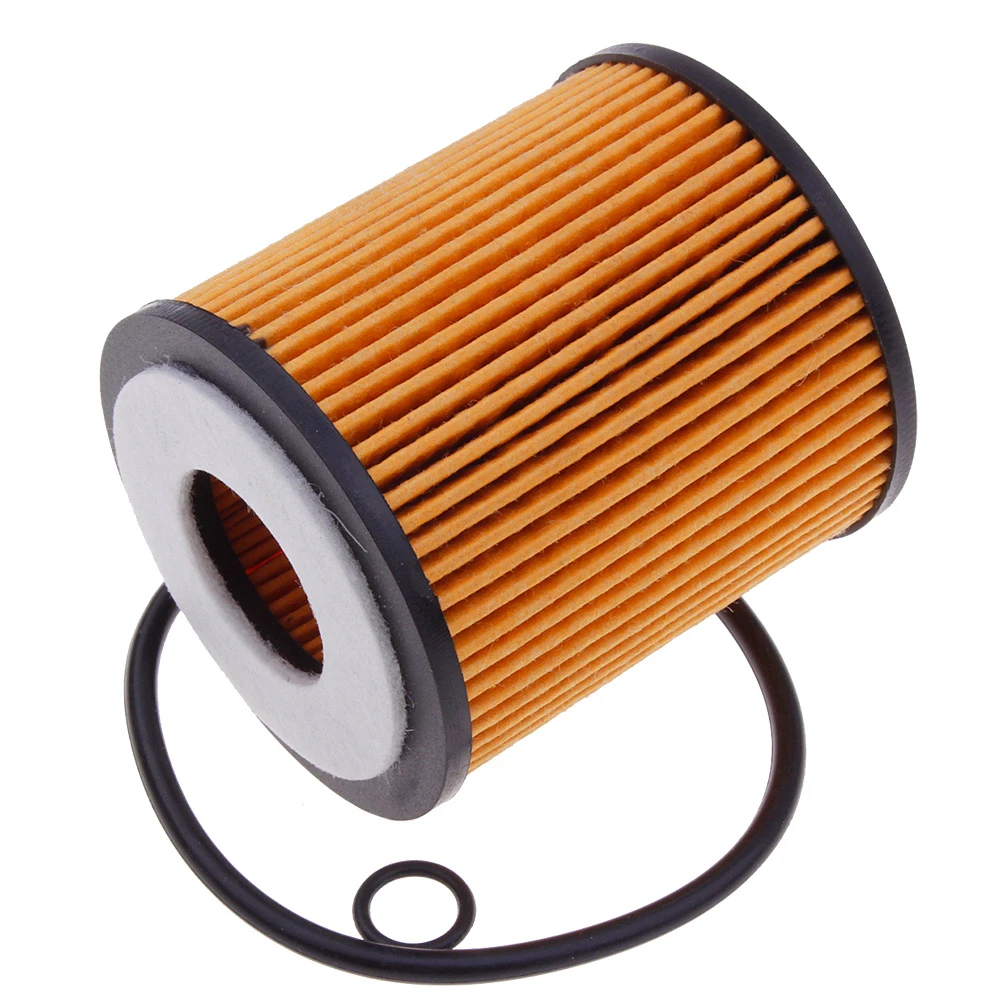
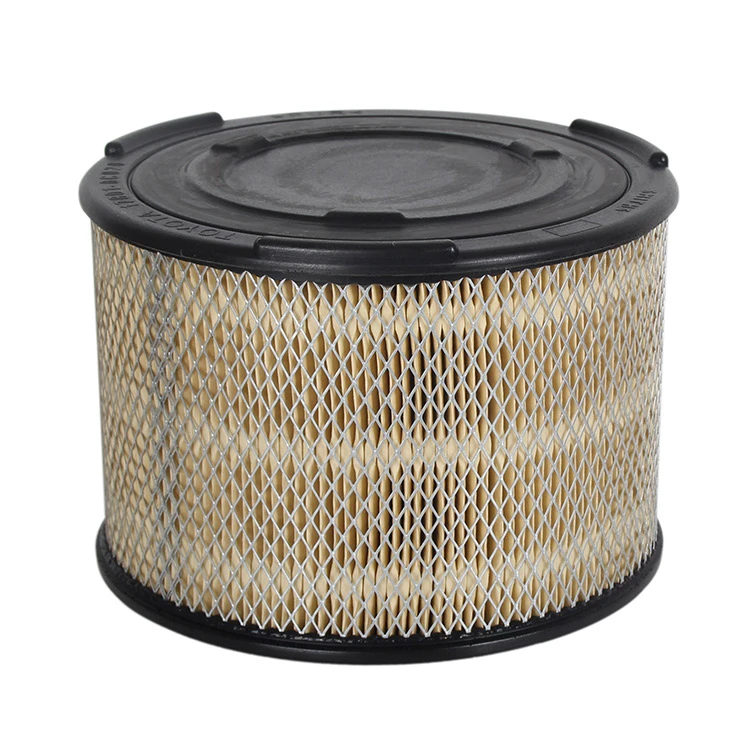
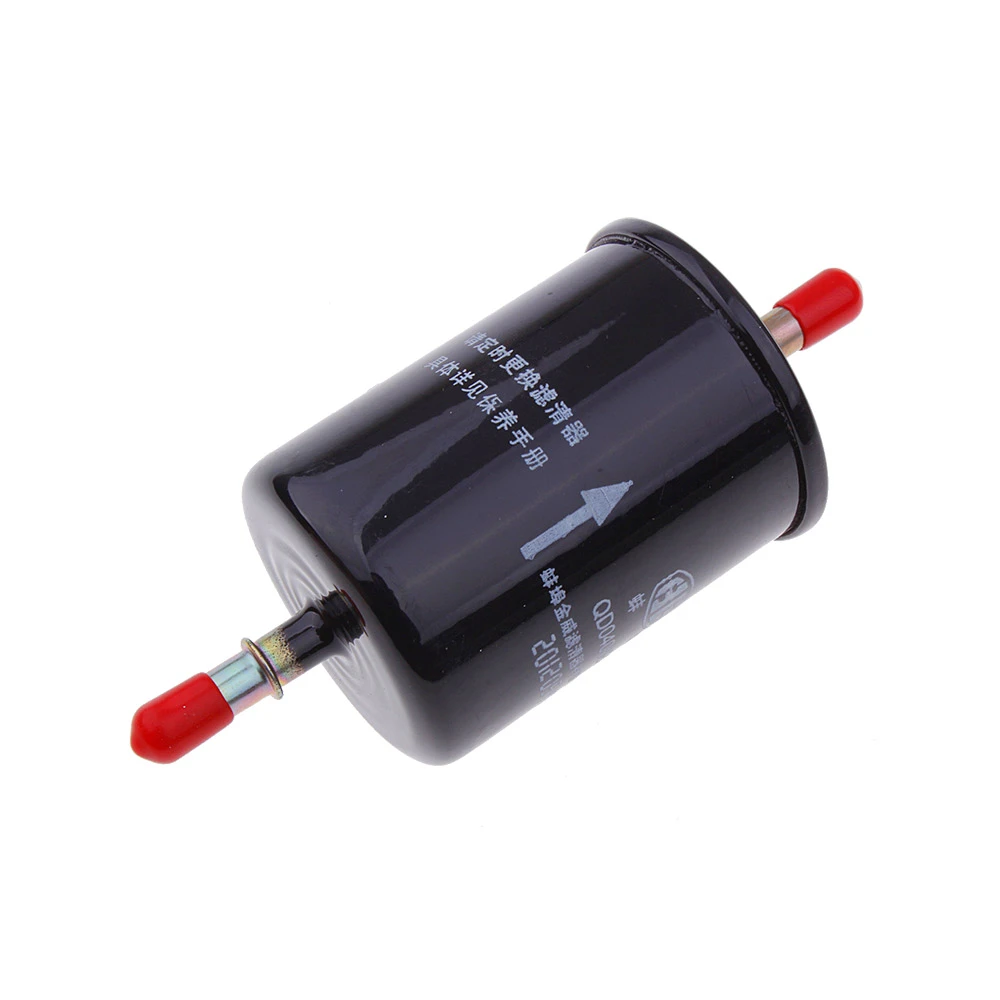
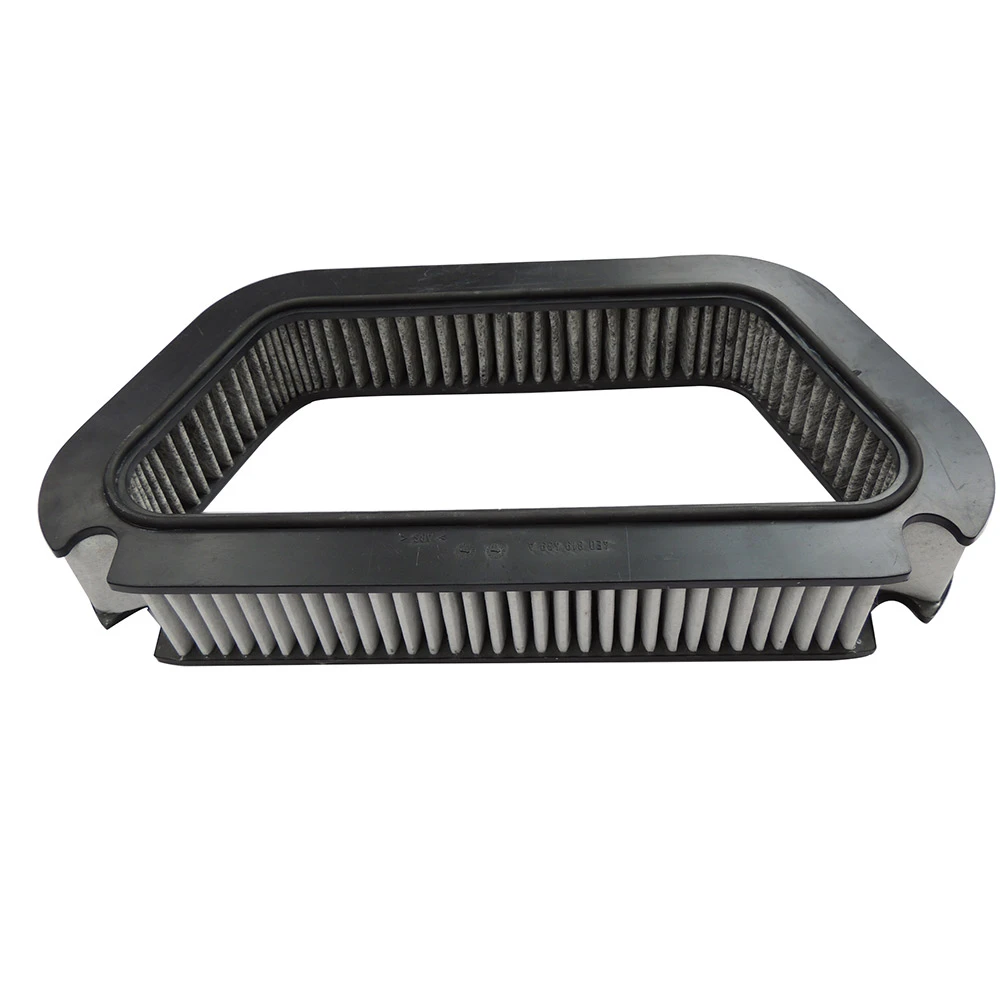
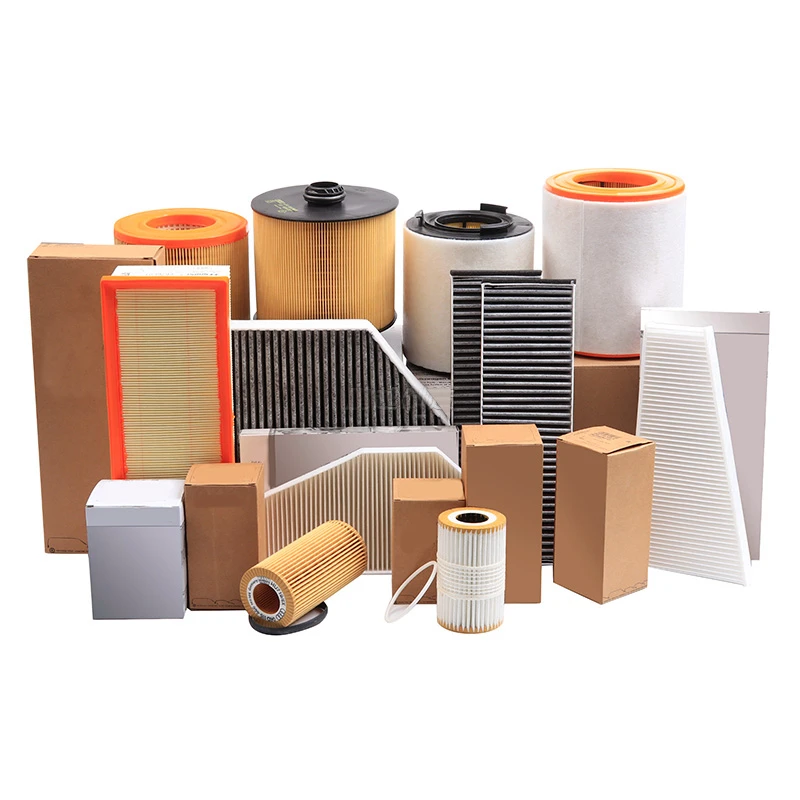
Introduction to Automotive Filtration: The car air filter
In the realm of B2B automotive component supply, the car air filter stands as a critical component influencing engine longevity, fuel efficiency, and overall vehicle performance. As engine technology evolves towards higher efficiency and stricter emission standards, the demand for superior filtration solutions has intensified. This article provides an in-depth exploration of advanced car air filter technologies, addressing their manufacturing, technical specifications, application advantages, and market trends for procurement professionals and engineers.
Modern internal combustion engines require a constant supply of clean air for optimal combustion. Particulate matter, dust, pollen, and other airborne contaminants can lead to premature engine wear, reduced power output, and increased fuel consumption. A high-quality car air filter acts as the primary defense mechanism, ensuring that only purified air enters the combustion chamber, thereby safeguarding critical engine components.
The Manufacturing Process of a High-Performance Car Air Filter
The production of a high-quality car air filter involves a series of precision-engineered steps, emphasizing material selection, advanced manufacturing techniques, and rigorous quality control. This ensures optimal filtration efficiency and structural integrity throughout its car air filter life.
Key Materials:
- Filter Media: Typically composed of cellulose, synthetic fibers (e.g., polyester, polypropylene), or a blend, often treated with resins to enhance dust-holding capacity and water resistance. High-end filters may incorporate multi-layered media for progressive filtration.
- Frame/Housing: Durable polyurethane, rubber, or specialized plastics providing structural rigidity and a secure seal.
- Adhesives: High-strength, temperature-resistant glues (e.g., hot melt EVA, polyurethane-based) to secure the filter media within the frame and maintain pleat spacing.
Manufacturing Process Flow:
1. Media Pleating
Filter media is precisely folded into pleats to maximize surface area.
2. Frame Molding
Polyurethane or rubber is cast/injected around the pleated media ends.
3. Curing & Bonding
Adhesives cure, securely bonding the media to the frame, ensuring airtight seal.
4. Quality Testing
Leakage, airflow, filtration efficiency, and structural integrity tests.
Testing Standards and Service Life:
Our filters adhere to stringent international standards such as ISO 5011 (for determining filtration performance), ANSI/ASHRAE 52.2, and SAE J726, ensuring consistent quality and performance. The typical car air filter life ranges from 12,000 to 15,000 miles (20,000 to 25,000 kilometers) or annually, though this can vary significantly based on operating conditions and environmental dust levels.
Target Industries and Application Advantages:
Beyond conventional automotive applications, our advanced car air filters are designed for severe-duty environments, including:
- Heavy-Duty Commercial Vehicles: Trucks, buses operating in logistics and public transport, demanding extended filter life and high dust retention.
- Construction and Mining Equipment: Protecting engines in extremely dusty and abrasive conditions. Our filters offer enhanced corrosion resistance and robust construction.
- Agricultural Machinery: Ensuring clean air supply for tractors and harvesters operating in dusty field environments.
- Industrial Power Generators: Supplying clean air to combustion engines in power generation units, contributing to energy saving through optimized combustion and reduced downtime.
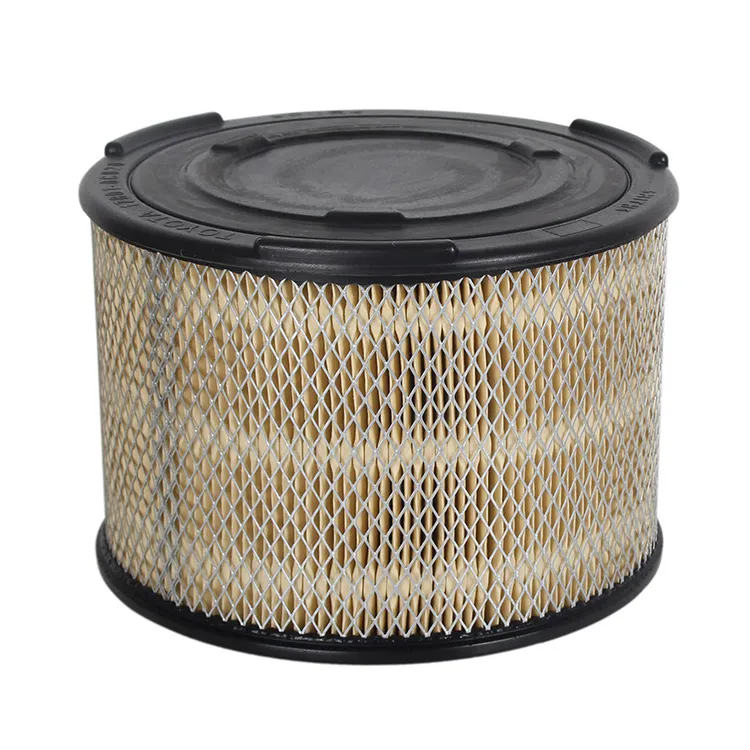
Technical Specifications and Parameters
Understanding the technical specifications of a car air filter is crucial for B2B buyers to select the optimal product for their fleet or engine application. Key parameters include filtration efficiency, dust holding capacity, airflow restriction, and media type.
Typical Product Specification Table:
| Parameter | Value/Description | Test Standard |
|---|---|---|
| Filtration Efficiency | ≥99.5% @ 0.3-5.0 µm particulates | ISO 5011 |
| Dust Holding Capacity | >200 grams | ISO 5011 |
| Initial Pressure Drop | < 1.5 kPa at rated airflow | ISO 5011 |
| Maximum Airflow Rate | Varies by model (e.g., 200-800 CFM) | Manufacturer Standard |
| Operating Temperature Range | -30°C to +80°C | Internal Test |
| Filter Media Type | Synthetic blend or Pleated Cellulose | Material Spec |
These parameters directly impact engine performance and the necessary frequency to replace car air filter. Filters with higher dust holding capacity and robust construction provide extended service intervals, reducing operational costs for fleet managers.
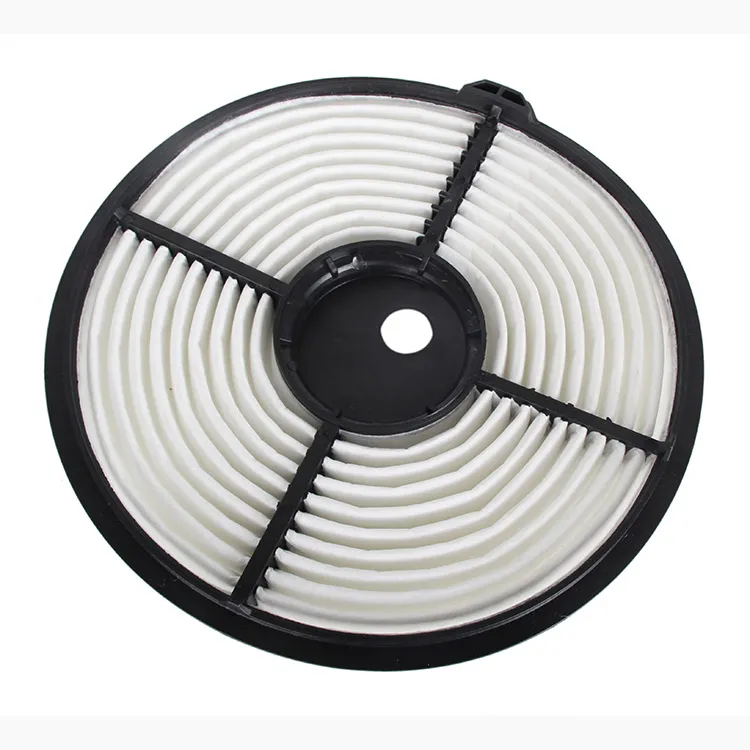
Industry Trends and Innovation
The automotive filtration market is characterized by continuous innovation driven by stricter environmental regulations, advancements in engine technology, and increasing consumer demand for vehicle longevity and efficiency. Key trends for the car air filter sector include:
- Advanced Filter Media: Development of multi-layered synthetic media offering superior filtration efficiency for ultra-fine particles while maintaining low airflow restriction. These media often feature oleophobic and hydrophobic properties.
- Extended Service Life Filters: Engineered for longer replacement intervals, reducing maintenance costs and waste. This is achieved through enhanced dust holding capacity and media durability.
- Smart Filters and Sensors: Integration of pressure sensors to monitor filter loading and indicate optimal replace car air filter timing, moving from scheduled maintenance to condition-based maintenance.
- Environmentally Friendly Materials: A shift towards sustainable and recyclable filter materials and housings to reduce environmental impact.
These innovations directly impact the long-term operational costs and environmental footprint of vehicle fleets, making selection a strategic decision based on total cost of ownership rather than just initial car air filter price.
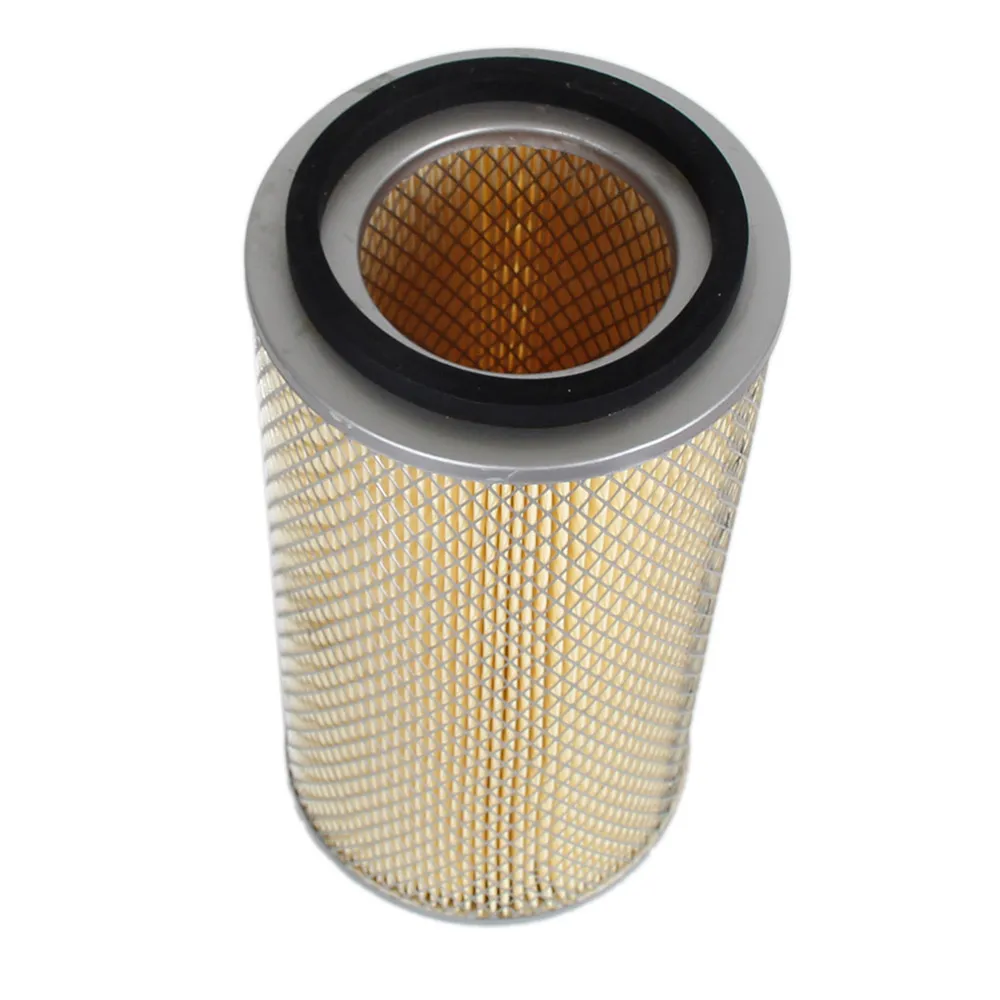
Application Scenarios for Advanced Car Air Filters
The utility of a high-performance car air filter extends across diverse sectors, proving indispensable where air quality and engine protection are paramount.
Typical Application Scenarios:
- Automotive OEM and Aftermarket: Supplied to vehicle manufacturers for new assemblies and replacement markets, ensuring peak performance and compliance with warranty standards.
- Fleet Management: For taxi fleets, delivery services, and public transport, advanced filters reduce operational costs by extending engine life and improving fuel efficiency.
- Off-Highway Vehicles: Crucial for agricultural, construction, and mining equipment where exposure to heavy dust and debris is constant. The robust design handles extreme conditions.
- Marine Engines: Protecting marine propulsion systems from saltwater particles and airborne contaminants, preventing corrosion and ensuring reliable operation.
- Power Generation Units: Diesel and gas generator sets used for prime or backup power in industrial facilities, hospitals, and data centers rely on efficient air filtration to prevent operational failures.
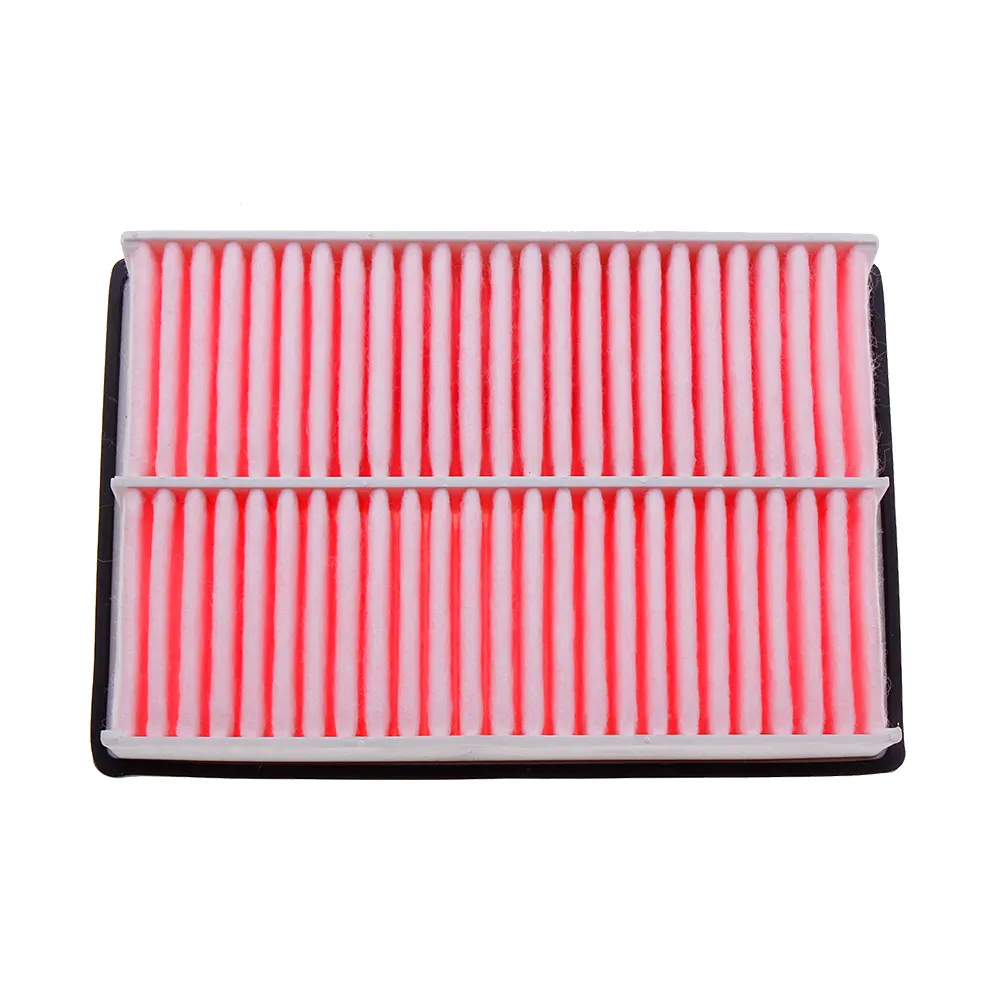
Technical Advantages of Our High-Performance Car Air Filters
Our engineered car air filters offer distinct advantages tailored for demanding B2B applications:
- Superior Filtration Efficiency: Utilizing advanced media to capture up to 99.9% of harmful particles, including those as small as 0.3 microns, preventing abrasive wear on engine components.
- Extended Engine Life: By effectively blocking contaminants, our filters significantly reduce engine wear, extending the operational life of vehicles and machinery.
- Optimized Fuel Efficiency (Energy Saving): A clean air supply ensures optimal air-fuel mixture, leading to more complete combustion and better fuel economy. Reduced airflow restriction from a well-designed filter minimizes the energy required for intake.
- Corrosion Resistance: Specifically designed for environments prone to moisture or corrosive agents, our filters feature materials and coatings that resist degradation, enhancing durability.
- Reduced Maintenance Costs: High dust holding capacity translates to longer service intervals, minimizing downtime and labor costs associated with frequent filter changes.
- Consistent Performance: Engineered for stable performance across a wide range of temperatures and humidity levels, ensuring reliability in diverse operating conditions.
These advantages collectively contribute to a lower Total Cost of Ownership (TCO) for our industrial clients, solidifying our position as a preferred supplier for car air filters price and quality.
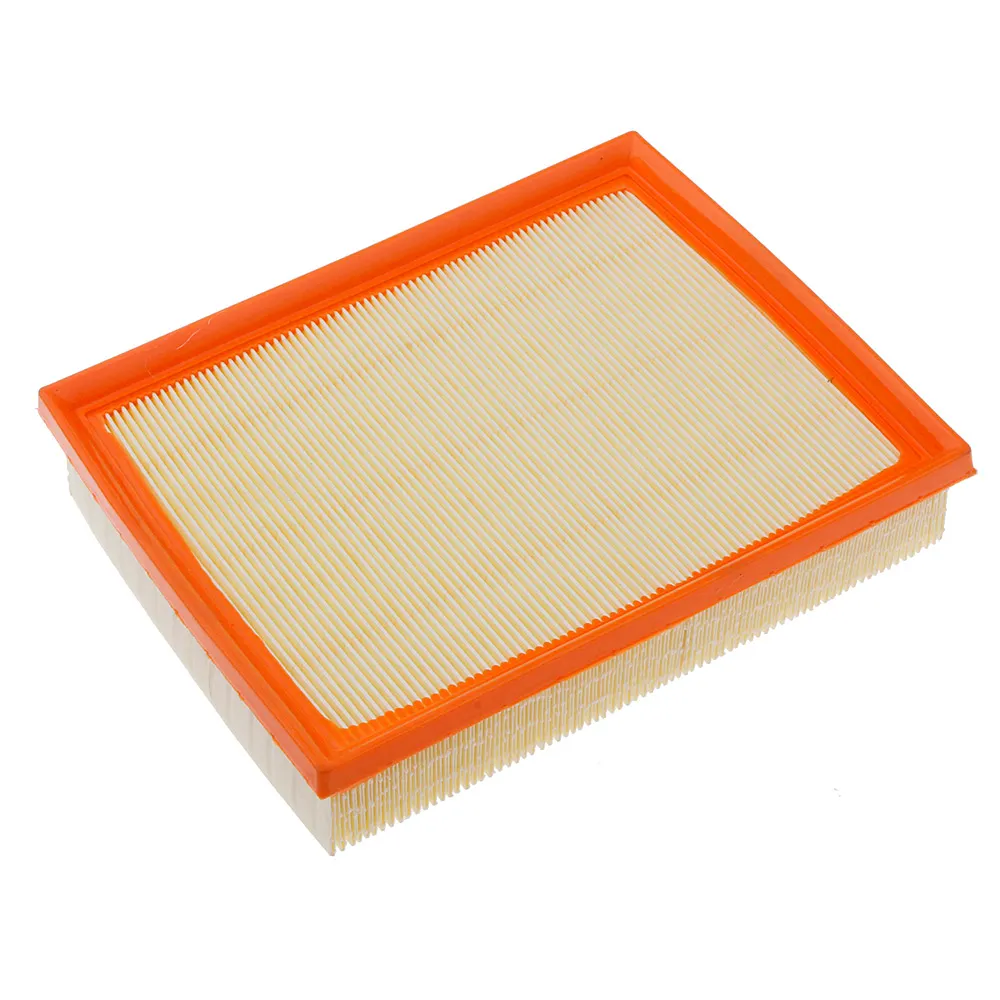
Vendor Comparison: Selecting the Right Car Air Filter Partner
Choosing a reliable supplier for car air filters involves evaluating not just product specifications but also manufacturing capabilities, quality control, customization options, and after-sales support. Below is a comparison to highlight our differentiating factors.
Car Air Filter Supplier Comparison Table:
| Feature | Our Company | Competitor A (Mass Market) | Competitor B (Specialized) |
|---|---|---|---|
| Filtration Efficiency (ISO 5011) | ≥99.5% (0.3-5µm) | 98% (0.5µm) | ≥99.9% (0.3µm) - Higher price |
| Dust Holding Capacity | Excellent (>200g) | Good (150g) | Excellent (>250g) - Limited range |
| Customization Options | High (Media, Dimensions, Seals) | Low (Standard sizes only) | Moderate (Specific applications) |
| Certifications | ISO 9001, IATF 16949 | ISO 9001 | ISO 9001, industry specific |
| Warranty | 1-2 Years / 30,000 km | 1 Year / 20,000 km | 1.5 Years / 40,000 km |
| After-sales Support | Dedicated technical team, global | Standard support, regional | Specialized support, limited hours |
Our comprehensive offering balances superior performance with competitive pricing and robust support, making us an ideal choice for businesses seeking long-term value in their car air filter supply chain.
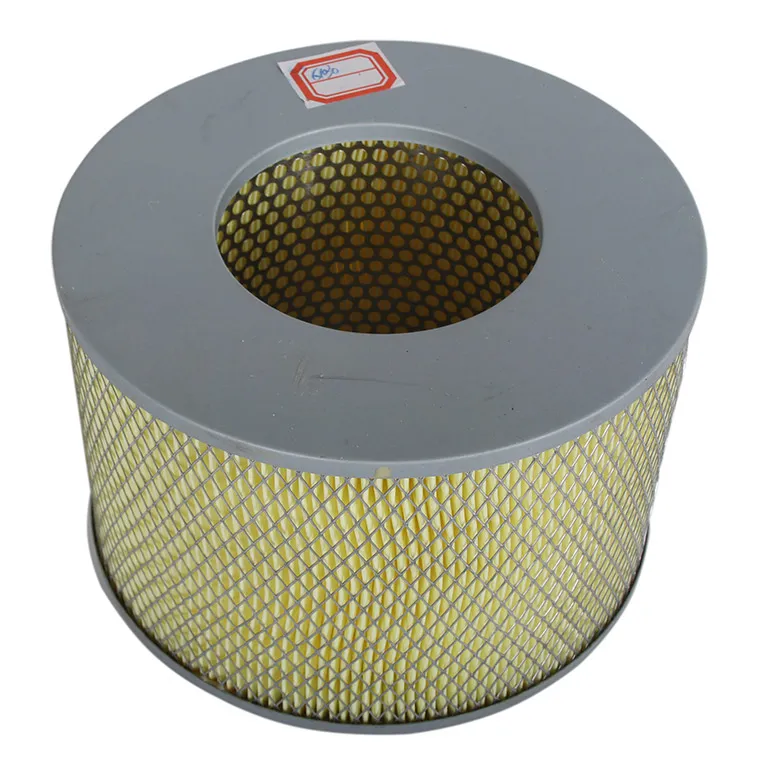
Customized Solutions and Application Case Studies
Recognizing that standard products may not always meet unique operational challenges, we offer bespoke car air filter solutions tailored to specific client needs.
Customization Capabilities:
- Media Selection: Custom blend of synthetic and cellulose fibers for enhanced dust holding or finer particle capture.
- Dimensions and Shapes: Manufacturing filters to non-standard specifications for unique engine compartments or industrial machinery.
- Sealing Materials: Special compounds for extreme temperature, chemical resistance, or harsh vibration environments.
- Pre-Filter Integration: Designing filters with integrated pre-filtration stages for extremely dusty conditions, extending primary filter life.
Application Case Study: Heavy-Duty Mining Fleet
Client: Major South American Mining Corporation
Challenge: The client's fleet of heavy-duty haul trucks and excavators operating in arid, dusty open-pit mines experienced significantly reduced car air filter life (30% below OEM recommendations) due to excessive particulate loading. This resulted in frequent filter replacements, increased downtime, and premature engine wear, impacting their operational efficiency and maintenance budget.
Solution: We collaborated closely with the client's engineering team to develop a customized car air filter. This solution involved:
- Implementing a dual-stage filtration media: a coarser synthetic layer for bulk dust capture, followed by a high-efficiency synthetic blend for fine particles.
- Increasing the total media surface area by optimizing pleat geometry and depth.
- Utilizing a more robust, high-temperature resistant polyurethane frame and seal for improved structural integrity under extreme vibrations and thermal cycles.
Results: Post-implementation, the average car air filter life for the mining fleet increased by 75%, exceeding OEM recommendations. This led to a 20% reduction in annual filter procurement costs, a 15% decrease in maintenance labor for filter changes, and a notable reduction in engine-related issues, significantly improving fleet uptime and overall productivity. The customized solution demonstrated a clear return on investment within 18 months.
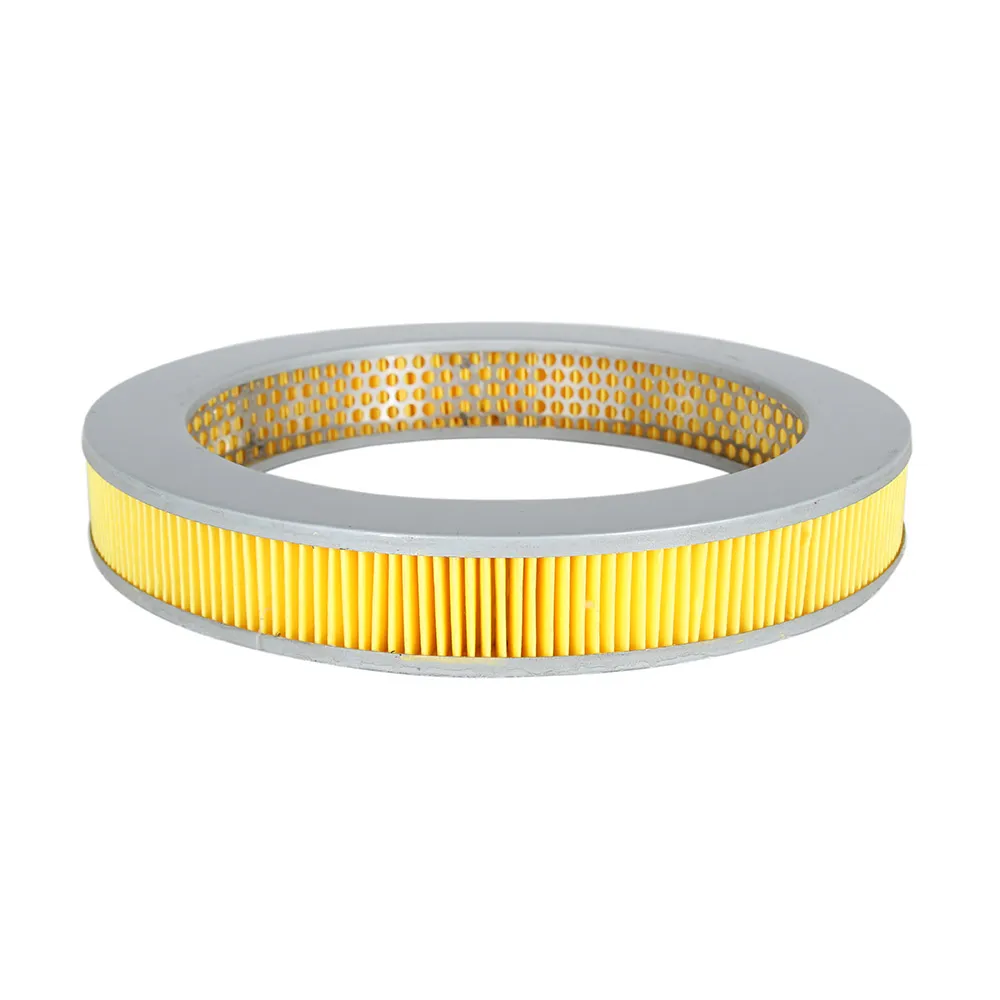
Certifications and Authoritativeness
Our commitment to quality and excellence in car air filter manufacturing is underpinned by stringent adherence to international standards and robust quality management systems. We pride ourselves on the authoritative certifications that validate our processes and products.
- ISO 9001:2015 Certified: Demonstrates our dedication to a consistent quality management system across all operations, from design to delivery.
- IATF 16949:2016 Compliant: As a supplier to the automotive industry, our compliance with this globally recognized technical specification for quality management systems ensures the highest standards of product quality and process efficiency.
- Adherence to ISO 5011, SAE J726, ANSI/ASHRAE 52.2: Our products are tested and validated against these key industry standards for air filter performance, providing objective evidence of superior filtration capabilities.
- Partnerships: We have established long-term supply partnerships with leading automotive and industrial equipment manufacturers, a testament to our reliability and product quality. With over 20 years of experience in filtration technology, our expertise is recognized globally.
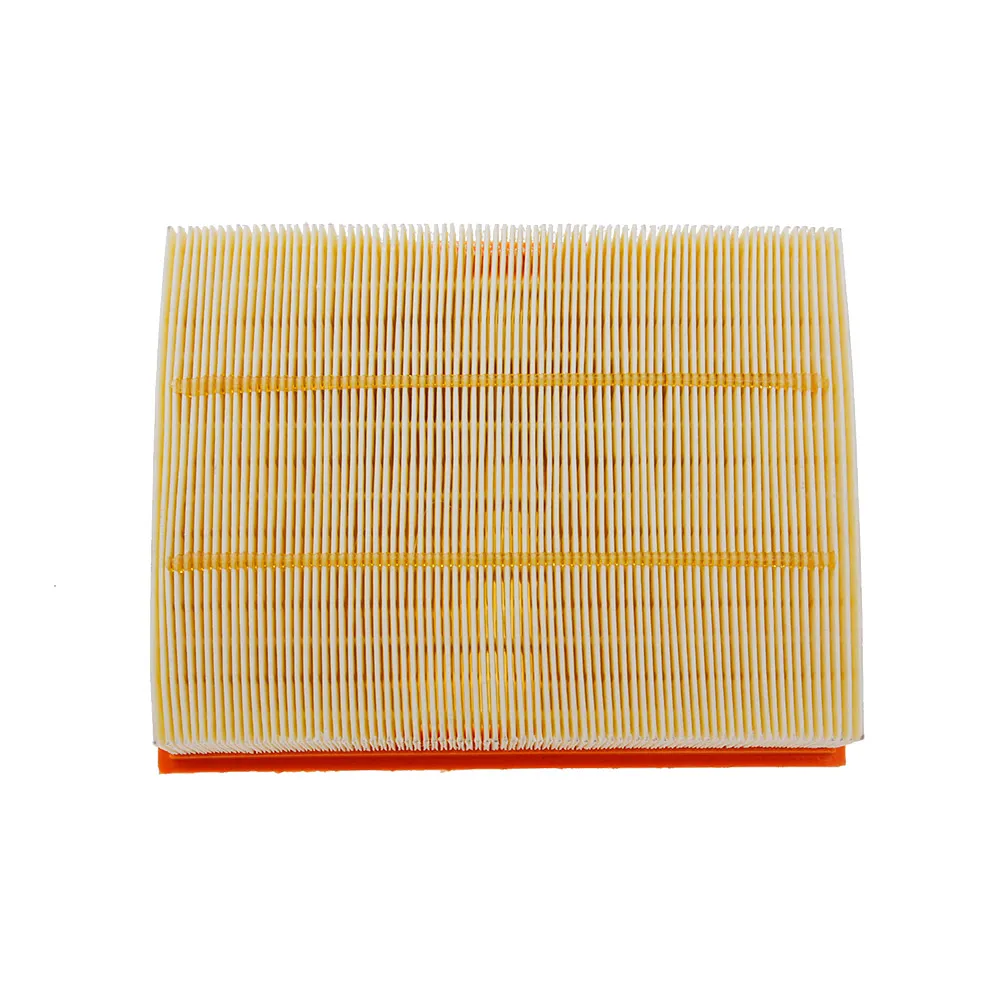
Frequently Asked Questions (FAQ) about Car Air Filters
Q: What is the recommended car air filter life and how often should I replace car air filter?
A: Typically, a standard car air filter should be inspected at every oil change and replaced every 12,000 to 15,000 miles (20,000 to 25,000 kilometers) or once a year, whichever comes first. However, vehicles operating in very dusty environments (e.g., construction sites, unpaved roads) may require more frequent replacement to maintain optimal engine performance and fuel efficiency. Consult your vehicle's owner's manual for specific recommendations.
Q: How does a dirty car air filter affect engine performance and fuel economy?
A: A clogged car air filter restricts airflow to the engine, leading to an imbalance in the air-fuel ratio. This can cause reduced engine power, sluggish acceleration, decreased fuel efficiency (up to 10% in severe cases), increased emissions, and in some modern vehicles, illuminate the "Check Engine" light. Regular replacement ensures optimal combustion and protects the engine from harmful particles.
Q: What factors influence the car air filter price?
A: The car air filter price varies based on several factors, including the filter media type (cellulose vs. synthetic, single-layer vs. multi-layer), brand reputation, vehicle make and model, and whether it's an OEM part or an aftermarket equivalent. High-performance or extended-life filters, often featuring advanced synthetic media, tend to have a higher initial cost but offer superior filtration and longer service intervals, potentially leading to lower overall operating costs.
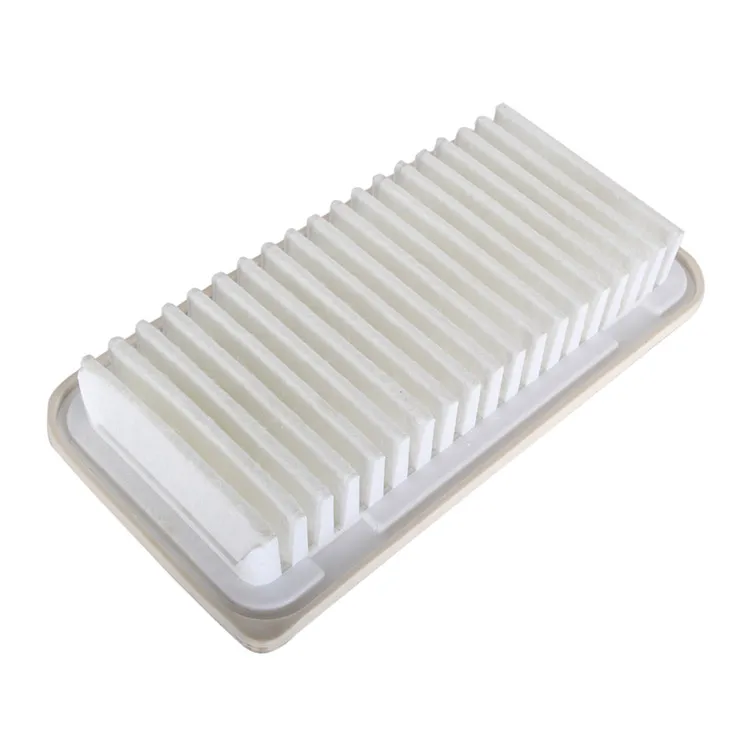
Logistics and After-Sales Support
We understand that reliable supply chain management and comprehensive support are as crucial as product quality in B2B transactions. Our commitment extends beyond product delivery.
Lead Time & Fulfillment:
Standard orders typically have a lead time of 15-20 business days, depending on volume and customization. For urgent requirements or large-scale projects, we offer expedited production and logistics solutions. Our fulfillment process is streamlined to ensure timely delivery and minimize supply chain disruptions for our B2B partners.
Warranty Commitments:
All our car air filters are backed by a comprehensive 1-year or 30,000-kilometer (whichever comes first) warranty against manufacturing defects and material failures, provided they are installed and maintained according to manufacturer specifications. This commitment reflects our confidence in the durability and performance of our products.
Customer Support:
Our dedicated B2B customer support team provides expert technical assistance, order tracking, and problem resolution. We offer multiple channels for support, including direct phone lines, email, and a dedicated online portal for corporate clients, ensuring efficient communication and rapid response to inquiries.
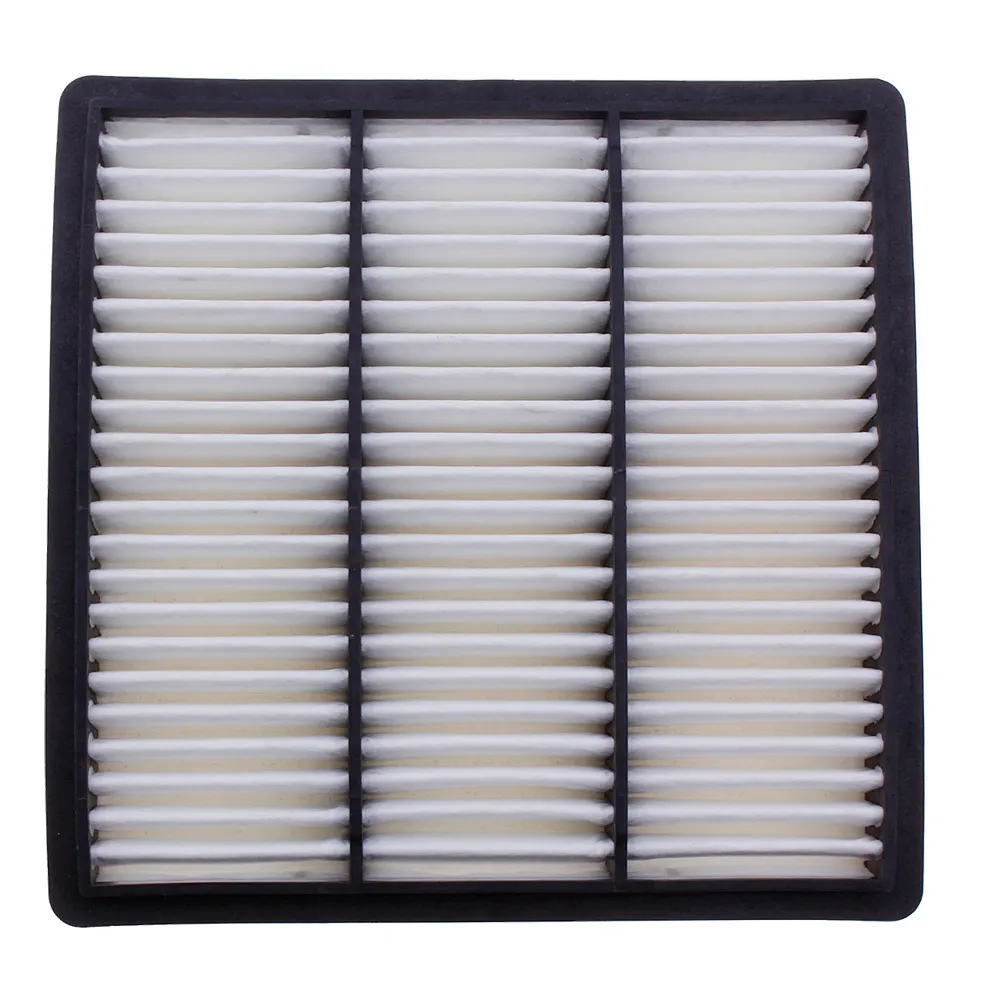
Conclusion
The strategic importance of a high-quality car air filter in modern automotive and industrial applications cannot be overstated. From enhancing engine longevity and optimizing fuel efficiency to reducing operational costs and ensuring compliance with environmental standards, advanced filtration solutions are indispensable. Our comprehensive approach, encompassing superior manufacturing, rigorous quality control, bespoke customization, and robust after-sales support, positions us as a trusted partner for B2B clients seeking reliable and high-performance car air filters. We are committed to providing filtration solutions that drive efficiency, sustainability, and profitability for your business.
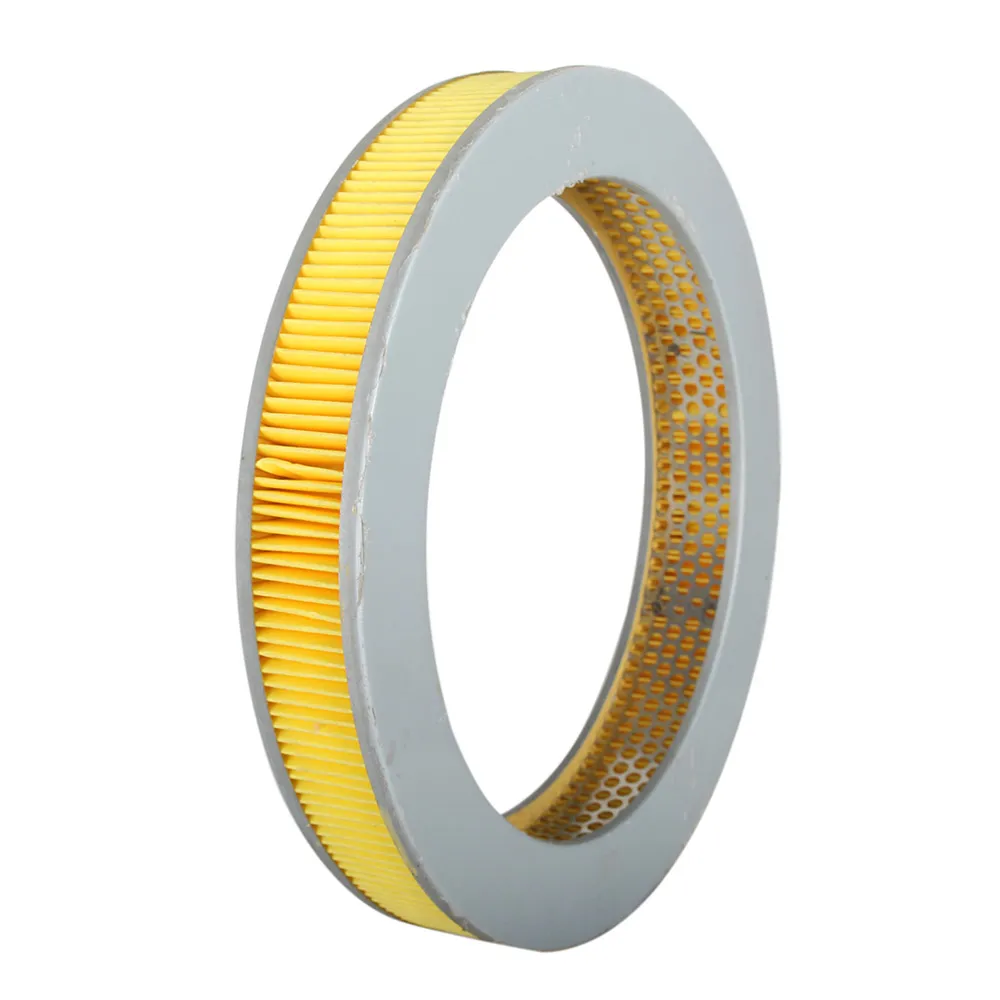
References
- International Organization for Standardization. ISO 5011:2020. Road vehicles — Test methods for air filters for internal combustion engines and compressors.
- Society of Automotive Engineers. SAE J726: Air Cleaner Test Code.
- ASHRAE Standard 52.2-2017. Method of Testing General Ventilation Air-Cleaning Devices for Removal Efficiency by Particle Size.
- International Automotive Task Force. IATF 16949:2016. Quality management system standard for the automotive industry.
- Filter Manufacturers Council (FMC). www.filtermanufacturerscouncil.org (Accessed on: October 26, 2023).
-
Guide on how often do you need to replace engine air filterNewsApr.16,2026
-
Learn how often do you replace air filter in car for engine healthNewsApr.09,2026
-
How Often Do You Replace Car Air Filter For Optimal Engine PerformanceNewsApr.07,2026
-
How Often Do You Replace Engine Air Filter For Optimal Vehicle PerformanceNewsApr.04,2026
-
Understanding How Often Does Engine Air Filter Need to Be Replaced for Optimal PerformanceNewsMar.31,2026
-
How Often Engine Air Filter Change Impacts Performance and LongevityNewsMar.28,2026
-
Understanding How Often to Replace Your Car Air Filter for Optimal PerformanceNewsMar.26,2026
Related Products