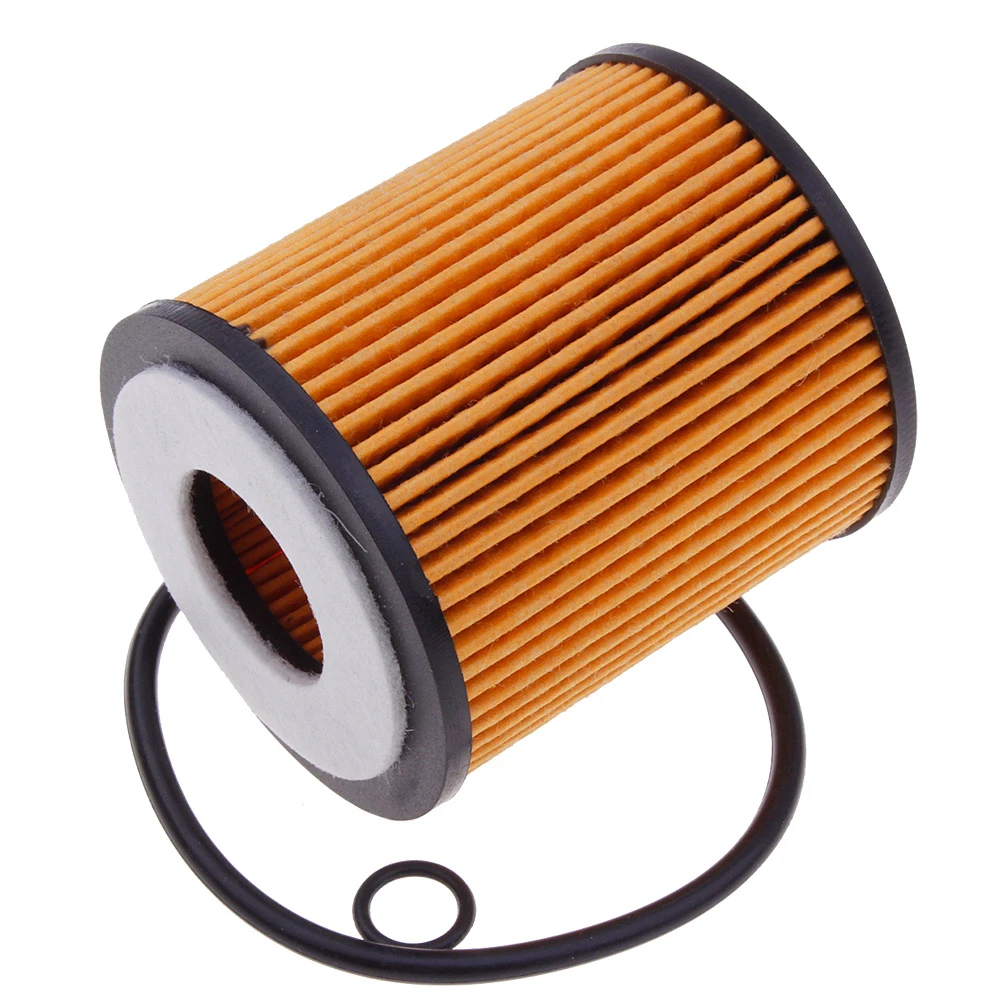
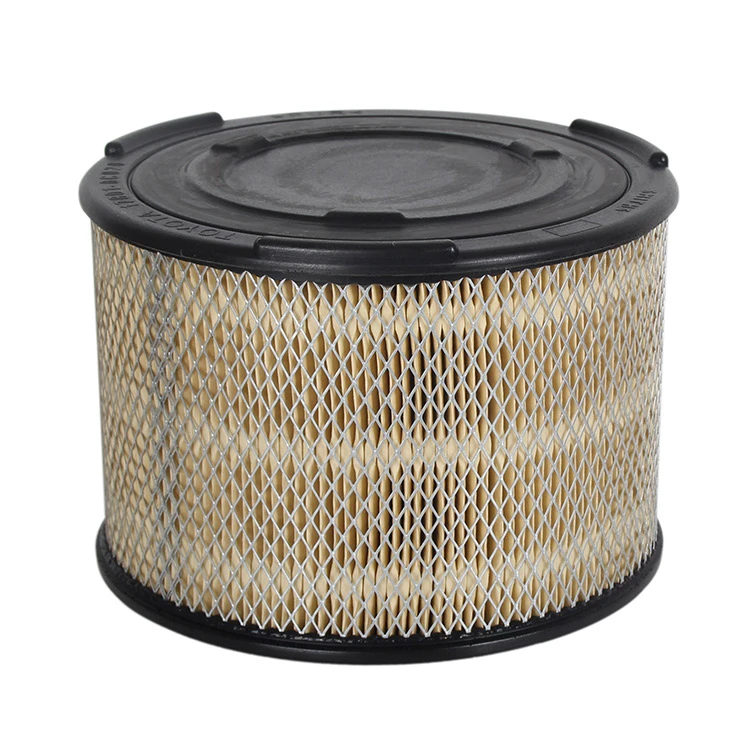
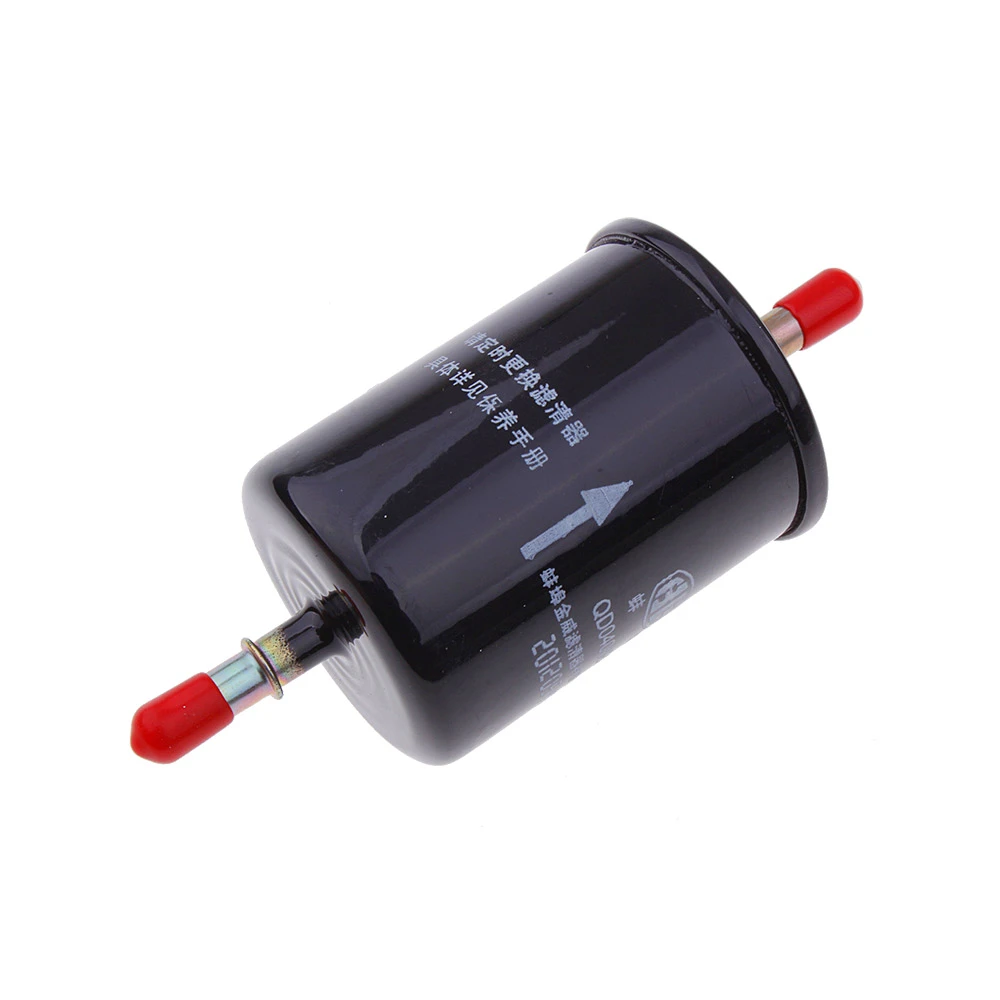
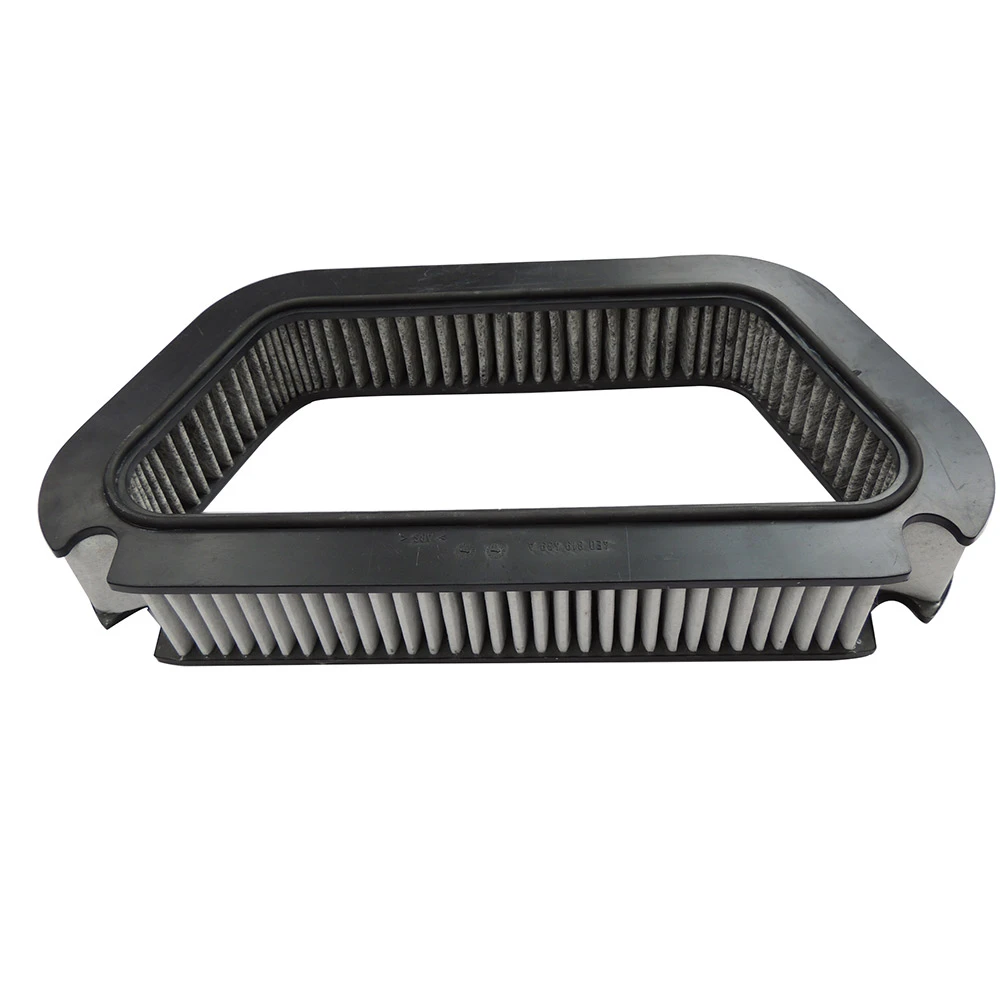
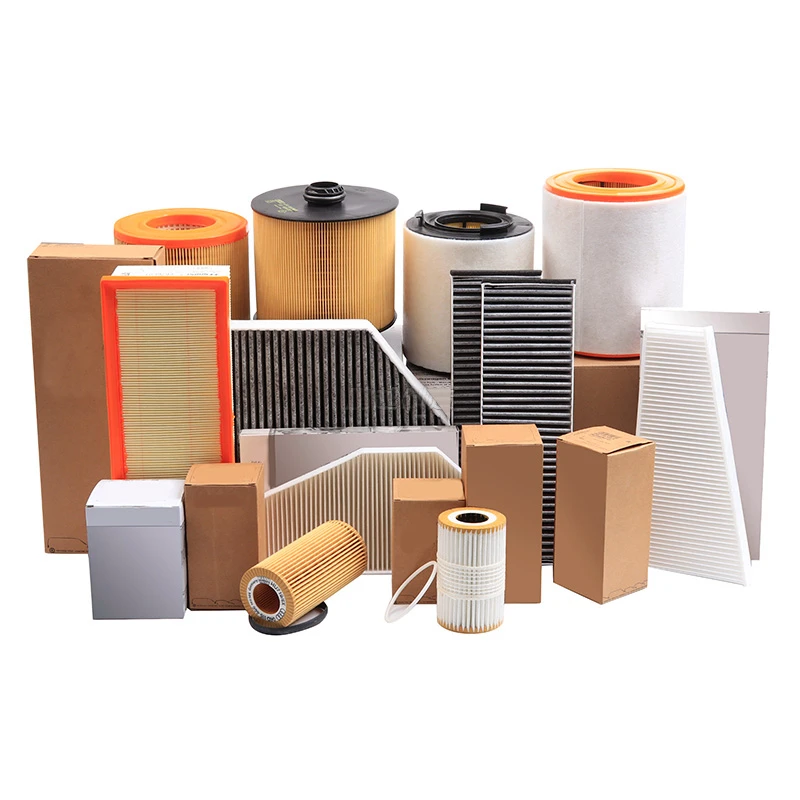
In today’s fast-paced automotive world, optimizing engine performance while minimizing maintenance costs is a top priority for every driver. One simple, often overlooked component that plays a crucial role in this balance is the car air filter. Designed to keep dust, dirt, pollen, and other airborne contaminants out of your engine, a premium car engine air filter ensures that only clean, filtered air enters the combustion chamber—resulting in smoother performance, better mileage, and longer engine life.
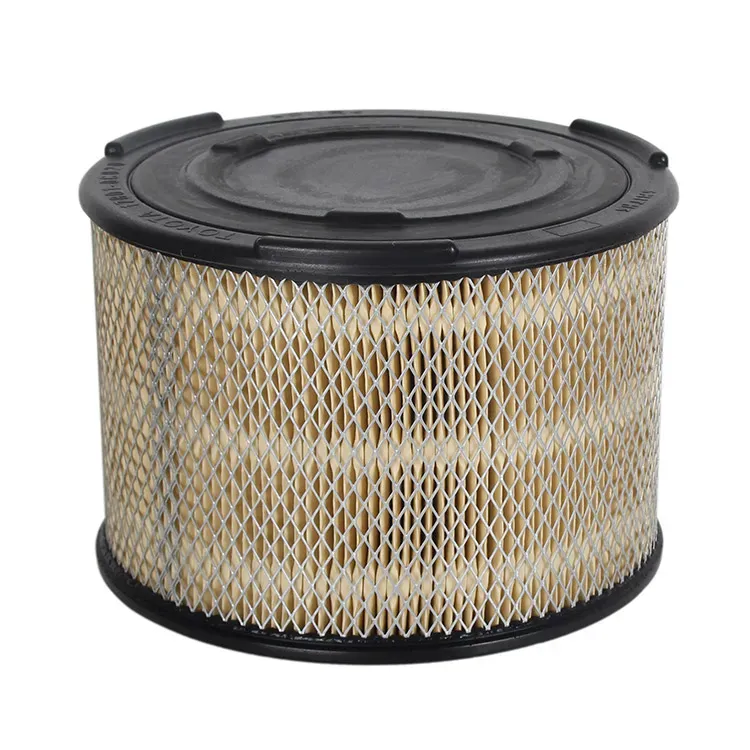
Why the Car Air Filter Is a Surprisingly Cost-Effective Upgrade
Many car owners are unaware of just how cost-effective the car air filter really is. Priced significantly lower than other engine components, this small device delivers outsized benefits. A clean car engine air filter helps maintain optimal air-fuel ratios, improving fuel efficiency and reducing the chances of costly repairs caused by clogged or damaged components.
Moreover, the air filter car price has remained accessible even for the highest-quality variants. While there are ultra-premium options on the market, even affordable models from trusted brands offer superior dust-holding capacity, long service intervals, and low airflow resistance. The result? Maximum engine performance with minimal investment.
Over time, neglecting your car air filter can lead to restricted airflow, reduced fuel economy, and even engine misfires. For a modest air filter car price, you not only protect your engine but also avoid premature wear on critical components like spark plugs and oxygen sensors.
How to Properly Clean and Maintain a Car Air Filter
Maintaining your car air filter is surprisingly easy. While replacement is often the best option for long-term efficiency, certain high-quality filters are designed to be cleaned and reused. To extend the service life of your filter, start by checking it regularly—especially if you drive in dusty or high-pollen areas.
A visual inspection is usually enough. If your car engine air filter appears dark and clogged, it’s time for action. Some filters can be gently cleaned using compressed air (from the clean side outward) to blow away trapped debris. Others, particularly cotton or foam-based filters, can be washed, dried, and re-oiled according to the manufacturer’s instructions.
However, even washable filters have their limits. Knowing how often should a car air filter be replaced is key. As a general rule, experts recommend changing it every 12,000 to 15,000 miles. Still, if you frequently encounter extreme conditions—like urban pollution, construction zones, or sandstorms—earlier replacement ensures your engine always breathes easy.
Soaring Market Demand: Why Car Air Filters Are in High Demand Globally
The global demand for car air filter products is booming—and with good reason. As environmental regulations tighten and car owners become more aware of air quality issues, the role of the car engine air filter is more critical than ever. Whether it’s reducing harmful emissions or enhancing engine longevity, this component is now viewed as essential maintenance, not an optional add-on.
In emerging markets, rapid urbanization and rising vehicle ownership are fueling massive growth in filter sales. Meanwhile, in developed countries, the increasing adoption of high-efficiency filters and eco-friendly vehicles is keeping demand high. Whether it’s a compact city car, a luxury SUV, or a commercial fleet vehicle, every modern engine needs reliable air filtration.
Another driver of demand is consumer education. More vehicle owners now understand how often should a car air filter be replaced, and they’re proactive about choosing premium replacements. Add to this the fact that the air filter car price remains affordable, and it’s easy to see why filters are flying off the shelves worldwide.
Choosing the Right Air Filter: What Buyers Should Look For
With so many options on the market, choosing the right car air filter can feel overwhelming. However, a few key factors can guide your decision. Always match the filter to your vehicle make and model. OEM-compatible filters ensure proper fit and performance. Look for multi-layered media that trap even microscopic particles while maintaining steady airflow.
Another consideration is filter lifespan. Some car engine air filter models offer extended service intervals, while others are built for frequent, easy replacement. Depending on your driving habits and local environment, you may benefit more from one over the other.
Value is also a big part of the equation. A low air filter car price doesn’t always mean poor quality—but it’s vital to buy from reputable brands that offer performance data, certifications, and consistent reviews. Investing in a well-made filter means fewer replacements and better fuel economy—making it a smart, long-term choice.
Car Air Filter FAQs
How often should a car air filter be replaced?
Most manufacturers recommend replacing the car air filter every 12,000 to 15,000 miles, but it may need more frequent changes in dusty or high-traffic environments. Always follow your vehicle’s manual.
Can cleaning the car engine air filter extend its life?
Yes, if your car engine air filter is reusable, regular cleaning can extend its service life. However, some filters are designed for one-time use and should be replaced rather than cleaned.
What’s the average air filter car price today?
The air filter car price varies depending on brand and type, but standard filters typically range from $15 to $40, with premium or washable models costing a bit more.
Is there a difference between cheap and high-end car air filters?
Absolutely. Higher-quality car air filter models offer better filtration, longer service intervals, and improved engine performance. It’s worth investing in a premium brand for peace of mind.
Will a dirty air filter affect fuel consumption?
Yes, a clogged car engine air filter restricts airflow, making the engine work harder and consume more fuel. Keeping it clean ensures better mileage and performance.
-
Guide on how often do you need to replace engine air filterNewsApr.16,2026
-
Learn how often do you replace air filter in car for engine healthNewsApr.09,2026
-
How Often Do You Replace Car Air Filter For Optimal Engine PerformanceNewsApr.07,2026
-
How Often Do You Replace Engine Air Filter For Optimal Vehicle PerformanceNewsApr.04,2026
-
Understanding How Often Does Engine Air Filter Need to Be Replaced for Optimal PerformanceNewsMar.31,2026
-
How Often Engine Air Filter Change Impacts Performance and LongevityNewsMar.28,2026
-
Understanding How Often to Replace Your Car Air Filter for Optimal PerformanceNewsMar.26,2026
Related Products