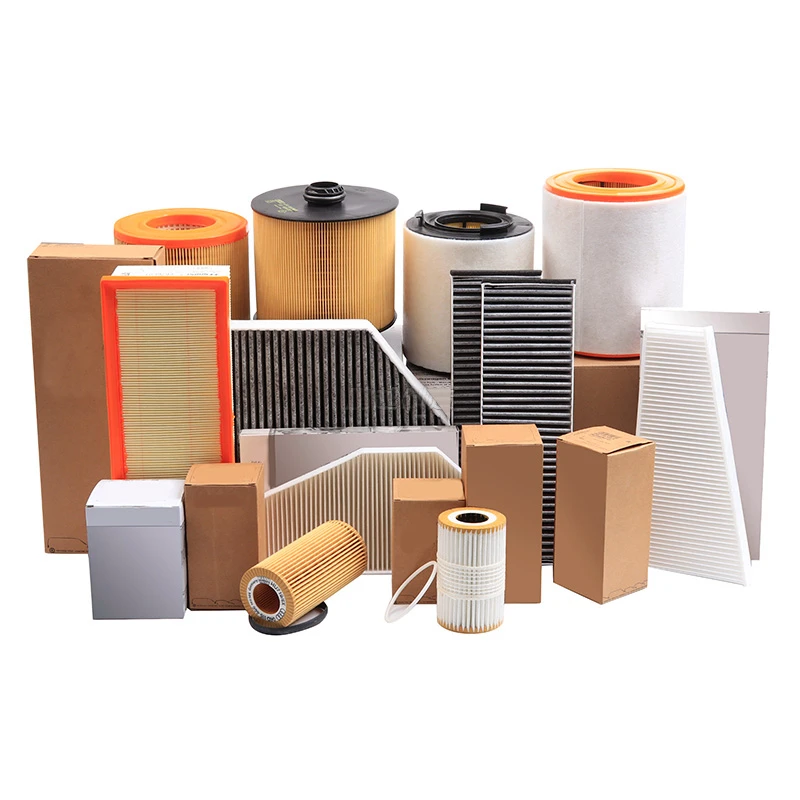
Industry Trends and the Critical Role of Filtration in Modern Automotive Systems
The automotive industry is undergoing a profound transformation, driven by stringent emission regulations, the surge in electric vehicle (EV) adoption, and the relentless pursuit of enhanced engine efficiency and longevity. In this evolving landscape, the role of high-performance automotive filters remains unequivocally critical. Modern internal combustion engines (ICEs) demand increasingly precise fuel delivery and air intake management, making advanced filtration systems indispensable. Global trends indicate a growing demand for filters that can withstand extreme operating conditions, accommodate alternative fuels, and contribute to lower overall vehicle emissions and operational costs. The focus is shifting towards multi-functional filter media, extended service intervals, and materials offering superior durability and filtration efficiency.
Specifically, the car fuel filter stands as a primary defense mechanism for an engine's fuel system. With the increasing sophistication of fuel injection systems, particularly common rail direct injection (CRDI) and gasoline direct injection (GDI) systems, even microscopic contaminants can cause significant damage, leading to injector clogging, reduced fuel atomization, decreased engine performance, and premature component wear. The market demands innovative solutions that provide superior particle retention, effective water separation, and robust construction to ensure uninterrupted fuel flow and protection for sensitive components.
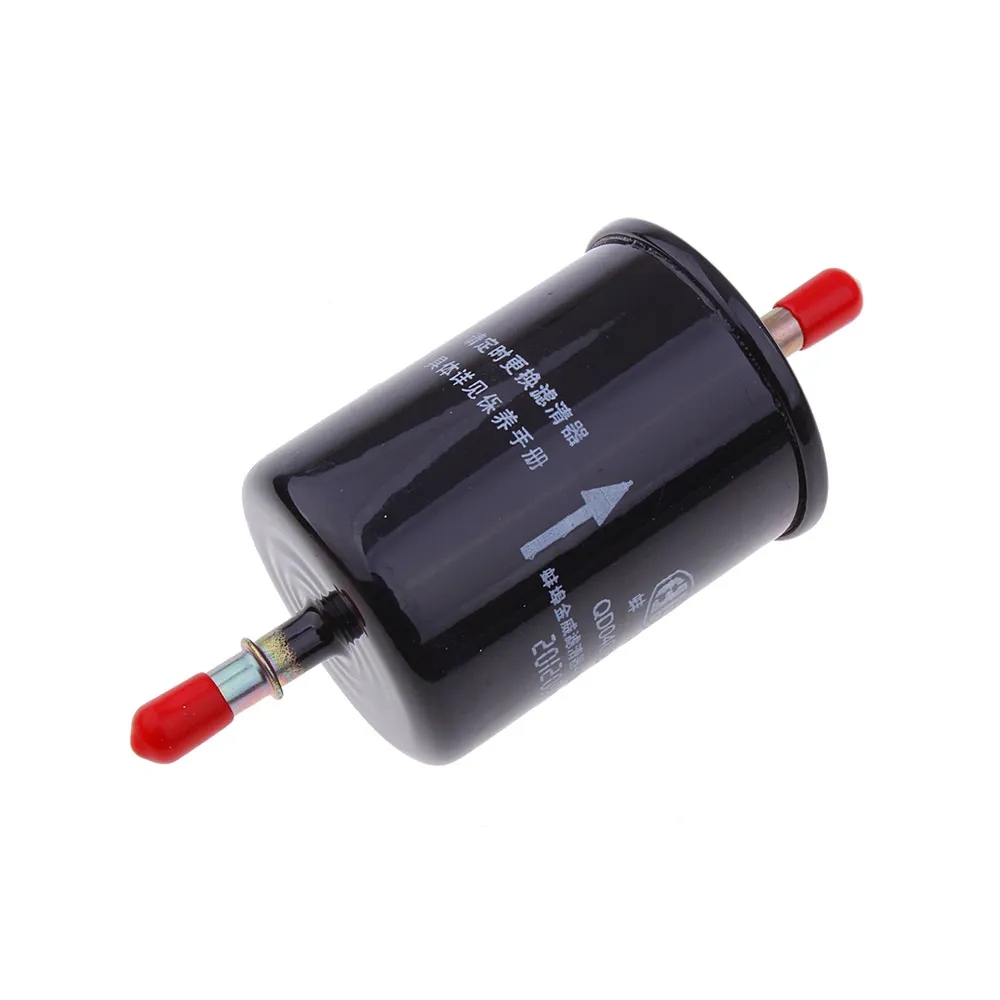
Precision Manufacturing Process of Car Fuel Filters
The manufacturing of high-quality automotive filters, particularly `car fuel filter` units, is a meticulous process demanding precision engineering and adherence to rigorous quality control standards. Our process ensures optimal performance and durability.
Process Flow Overview:
- Materials: High-grade composite filter media (cellulose, synthetic fibers, or multi-layered blends) for superior particle retention and fluid compatibility. Housings are typically made from corrosion-resistant steel, aluminum alloys, or advanced plastics, selected for their structural integrity and resistance to fuel additives. Seals are viton or other fuel-resistant elastomers.
- Manufacturing Processes: This involves precise pleating of filter media to maximize surface area, ultrasonic welding or crimping for secure end-cap attachment, and automated assembly. Housing fabrication utilizes processes like deep drawing (stamping), precision casting for intricate designs, or forging for extreme durability, followed by CNC machining for critical interface dimensions.
- Testing Standards: All `car fuel filter` units undergo rigorous testing adhering to international standards such as ISO 19438 (fuel filter performance), ISO 16889 (multi-pass testing), and relevant SAE specifications. Each batch is subjected to bubble point tests, pressure differential tests, and media integrity checks to ensure consistent quality and performance. Our facilities are certified under IATF 16949 and ISO 9001.
- Service Life: Engineered for extended service intervals, typically ranging from 30,000 to 100,000 kilometers depending on vehicle OEM specifications and fuel quality, ensuring reduced maintenance and operational costs.
- Target Industries & Advantages: Primarily serving the automotive, heavy-duty truck, construction machinery, and power generation sectors. Our filters offer advantages such as significant energy saving by maintaining optimal fuel system efficiency, and superior corrosion resistance, crucial for modern fuels that can be corrosive.
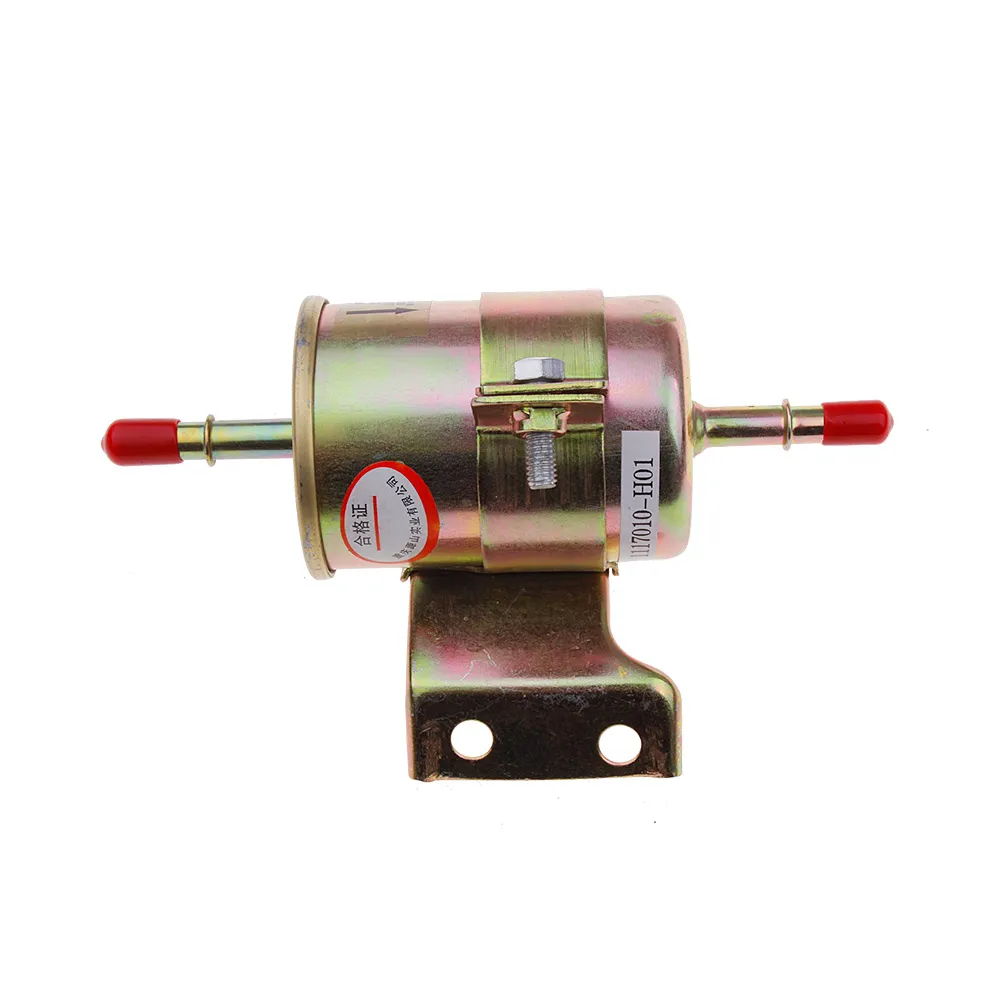
Technical Specifications and Parameters of Car Fuel Filters
Understanding the technical parameters is crucial for selecting the appropriate automotive filters for specific applications. Our `car fuel filter` offerings are designed with advanced specifications to meet the demanding requirements of modern engines.
Typical Car Fuel Filter Specification Table
| Parameter | Specification Range | Benefit/Impact |
|---|---|---|
| Filtration Efficiency (Beta Ratio) | βₓ≥200 (99.5% efficiency @ x microns) | Superior protection for injectors, extended system life. |
| Micron Rating | 2-10 microns (absolute) | Removes fine contaminants, prevents nozzle erosion. |
| Flow Rate Capacity | 100-250 L/h (depending on engine size) | Ensures adequate fuel supply under all operating conditions. |
| Initial Pressure Drop | < 0.5 bar (new filter) | Minimizes fuel pump strain, maintains fuel pressure. |
| Operating Temperature Range | -40°C to +120°C | Reliable performance in diverse climates. |
| Water Separation Efficiency | > 95% (for diesel applications) | Prevents corrosion and cavitation damage to fuel system components. |
| Housing Material | Corrosion-resistant steel, Aluminum, High-grade Plastic | Durability, compatibility with various fuels, safety. |
| Connection Type | Threaded, Quick-Connect, Flanged | Versatility for various vehicle models and easy installation. |
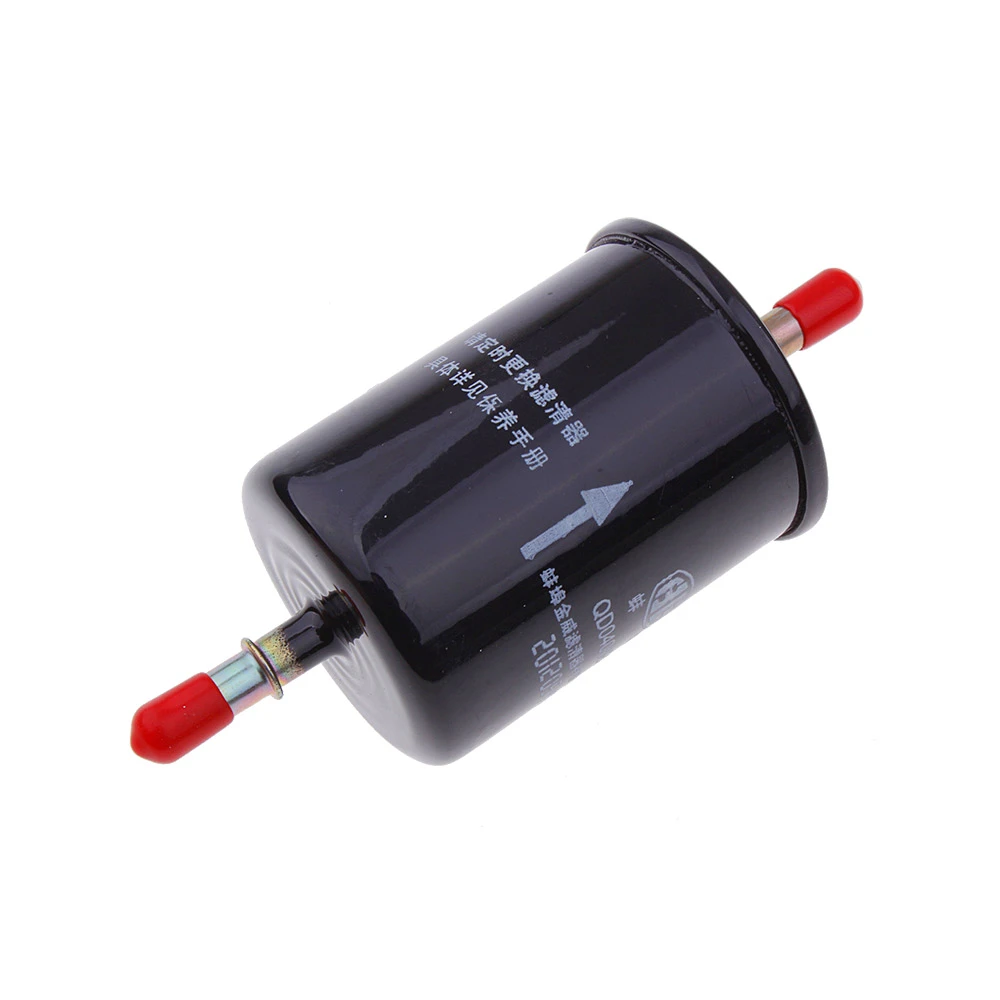
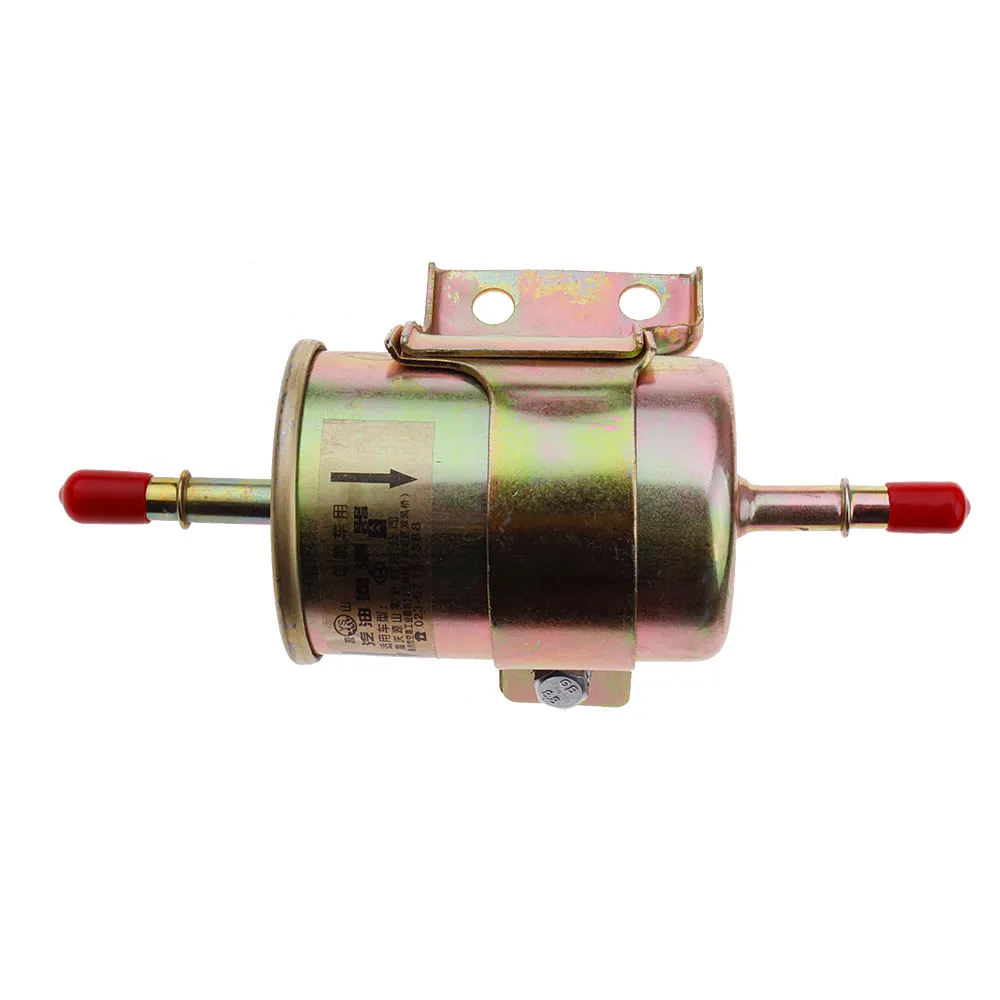
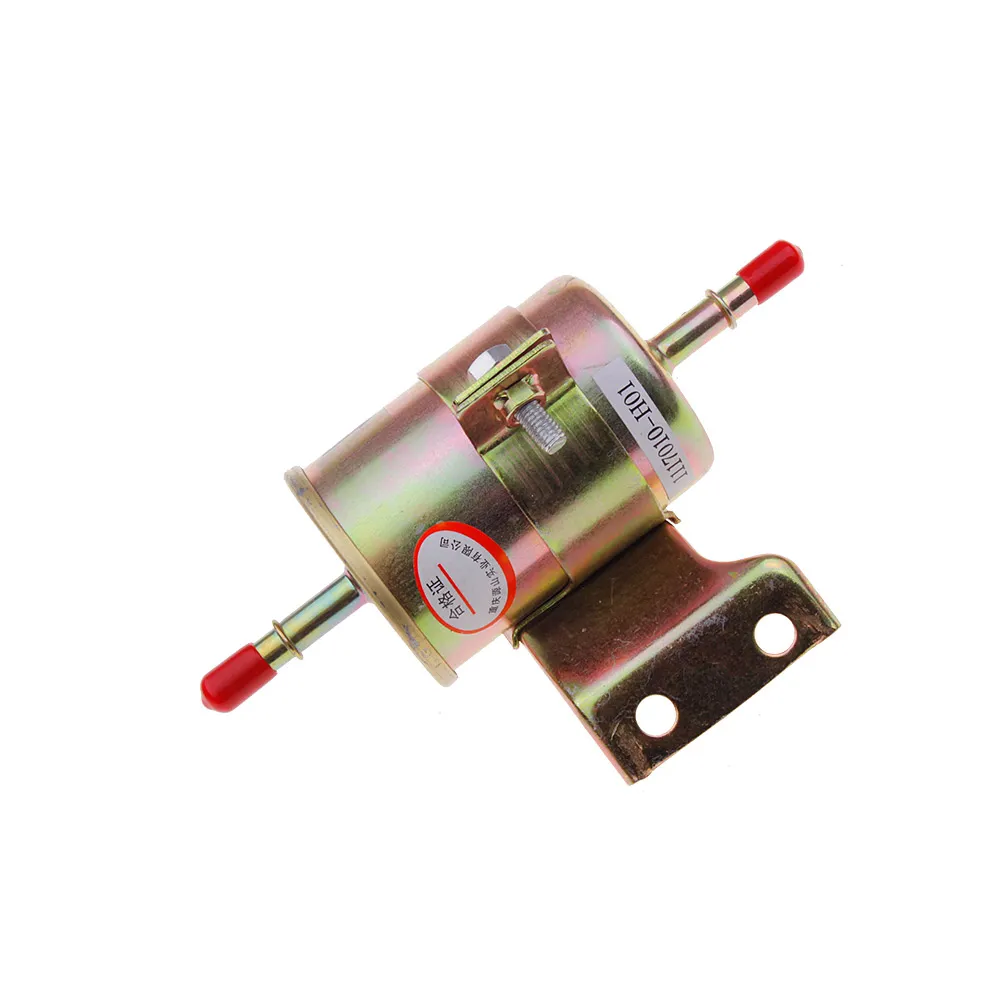
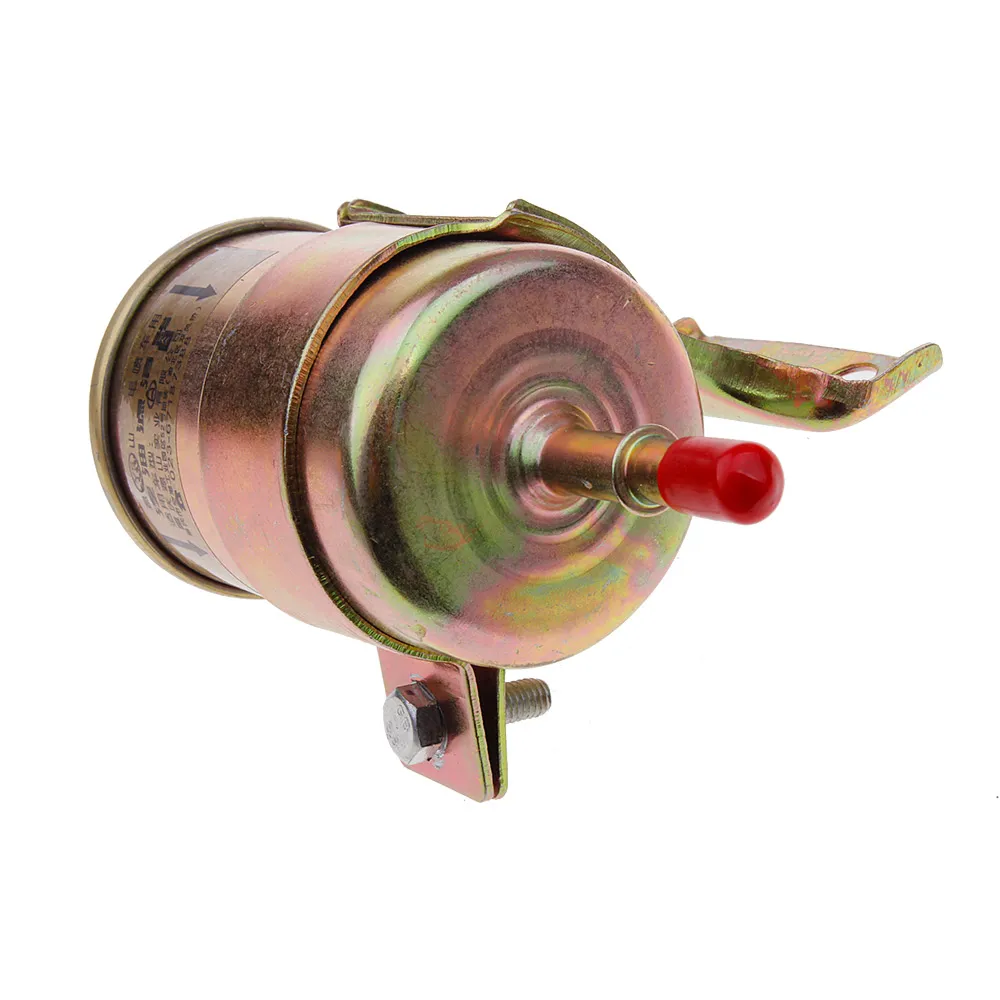
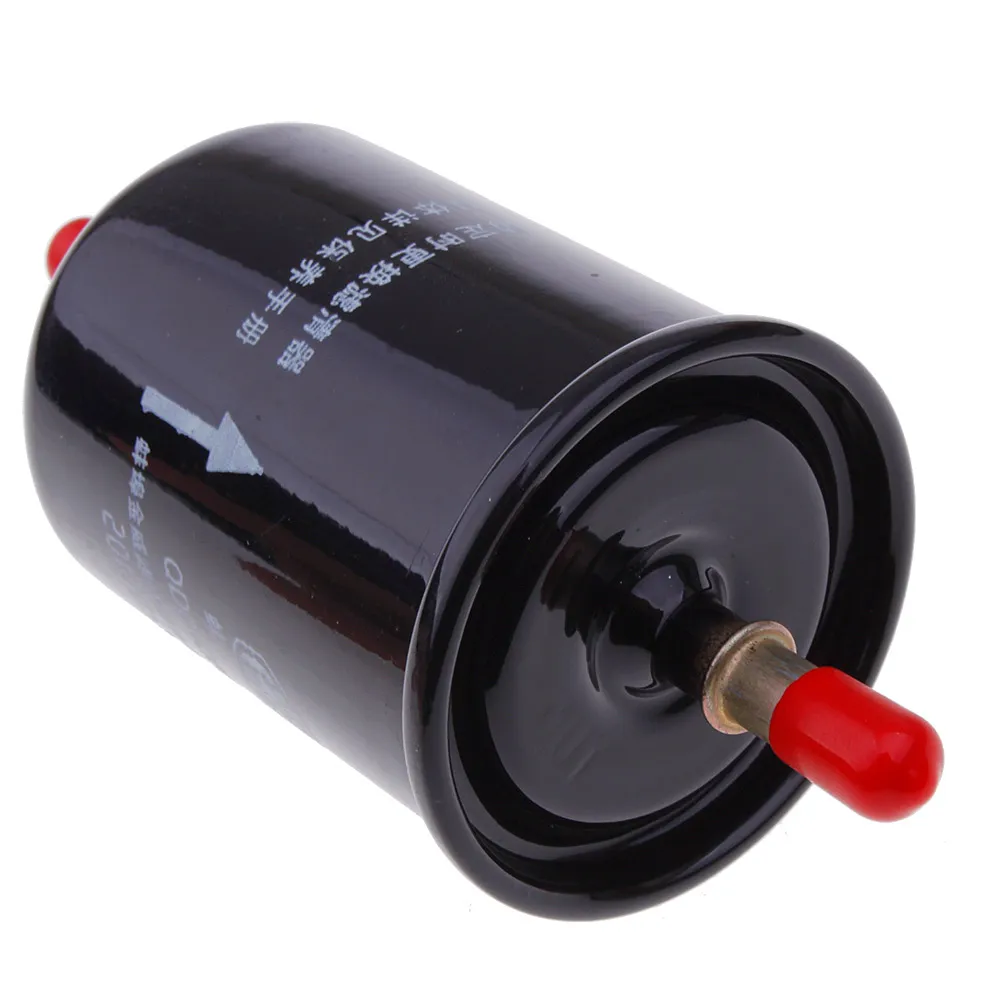
The `inline car fuel filter`, for instance, is often characterized by its compact design and easy integration into existing fuel lines, while `universal car fuel filter` options provide broad compatibility across different vehicle makes and models, balancing performance with versatility. Each parameter is critical for optimal engine operation and compliance with emission standards.
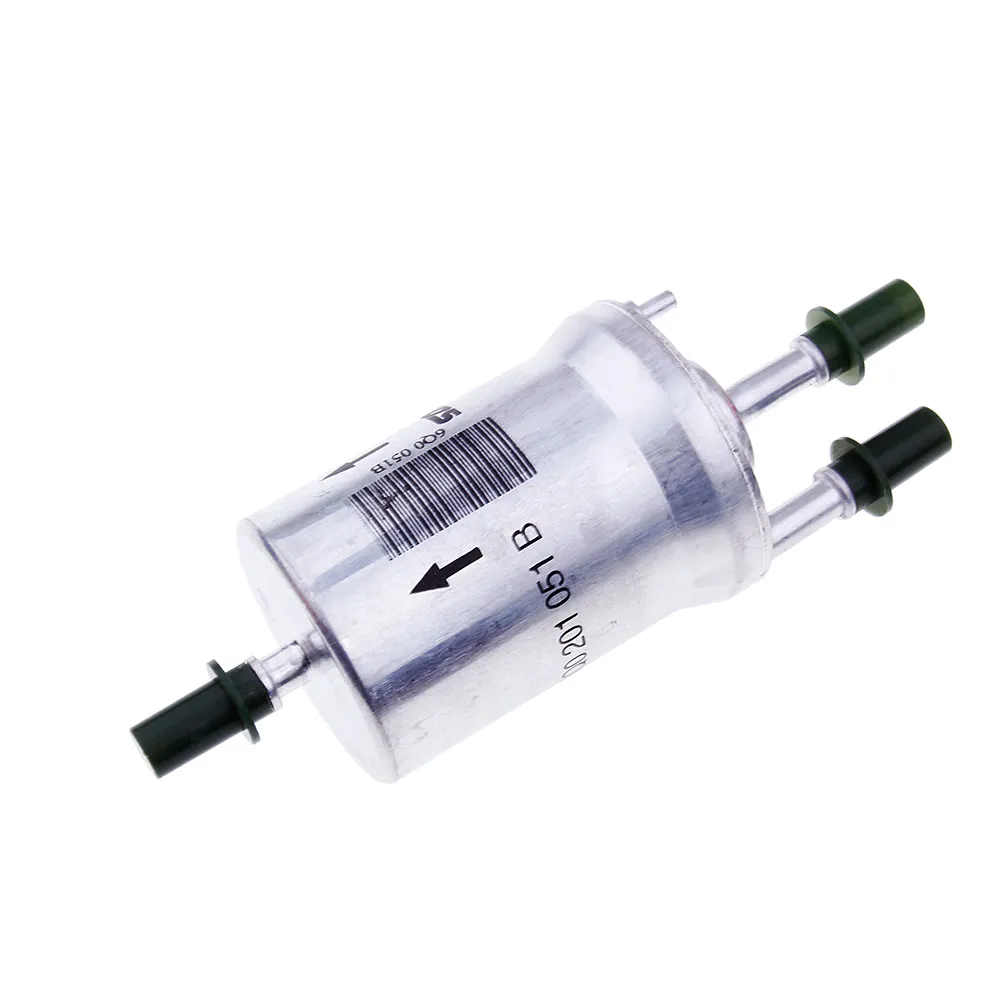
Application Scenarios and Technical Advantages
The deployment of advanced `car fuel filter` technology is essential across a multitude of automotive and industrial applications, directly contributing to operational efficiency and equipment longevity.
Typical Application Scenarios:
- Passenger Vehicles: From compact sedans to luxury SUVs, a reliable `car fuel filter` ensures the clean delivery of fuel to intricate direct injection systems, preventing costly repairs and maintaining peak performance.
- Commercial Trucks & Buses: Operating under demanding conditions, these vehicles require robust filtration to protect large diesel engines from fuel contamination, crucial for reducing downtime and extending engine life.
- Heavy Construction & Agricultural Equipment: Exposure to dusty and harsh environments necessitates superior filtration, often involving primary and secondary fuel filters to combat abrasive particles and water ingress.
- Marine Engines & Power Generators: Where fuel quality can be variable, high-performance fuel filters are critical for reliable operation and preventing system failures.
Key Technical Advantages:
- Superior Filtration Efficiency: Our automotive filters remove particulate matter and water with high efficiency, protecting delicate fuel system components like injectors and fuel pumps from wear and corrosion. This directly translates to enhanced engine performance and fuel economy.
- Extended Service Intervals: Engineered with advanced filter media, our products offer high dirt-holding capacity, allowing for longer intervals between replacements, reducing maintenance costs and vehicle downtime.
- Robust Construction & Corrosion Resistance: Built with durable materials resistant to corrosion from various fuel types (petrol, diesel, biofuels, and their additives), ensuring structural integrity and leak-free operation throughout its service life.
- Optimized Fuel Flow & Pressure: Designed to minimize pressure drop while maximizing filtration, ensuring consistent fuel supply to the engine, which is vital for maintaining optimal power output and fuel efficiency (energy saving).
- Compatibility with Modern Fuel Systems: Specifically designed to handle the higher pressures and tighter tolerances of contemporary fuel injection systems, including those requiring very fine filtration (e.g., 2-micron for certain diesel applications).
Vendor Comparison and Customized Solutions
When sourcing automotive filters, discerning buyers evaluate vendors based on product performance, reliability, and the ability to provide tailored solutions. Below is a comparison table highlighting key differentiators for various types of `car fuel filter` offerings.
Car Fuel Filter Product Comparison
| Feature/Category | High-Performance OEM-Grade Filter | Standard Aftermarket Filter | Budget/Universal Car Fuel Filter |
|---|---|---|---|
| Filtration Media | Multi-layer synthetic media, gradient density | Single-layer cellulose or basic synthetic | Basic cellulose paper |
| Micron Rating (Absolute) | 2-5 microns (βₓ≥200) | 7-10 microns (βₓ≥75) | 15-20 microns (Nominal) |
| Water Separation | Excellent (>95% for diesel) | Good (>80% for diesel) | Limited or None |
| Housing Material | Corrosion-resistant metal alloy, advanced plastic | Standard steel or plastic | Basic stamped steel/plastic |
| Service Life | Up to 100,000 km | 30,000 - 60,000 km | 15,000 - 30,000 km |
| Price Range (Relative) | Premium | Mid-range | Economical (e.g., lower `car fuel filter price`) |
Customized Solutions
Recognizing that off-the-shelf solutions may not always meet unique OEM requirements or specialized applications, we offer extensive capabilities in developing customized automotive filters. This includes:
- Tailored Filter Media: Development of specific media blends to achieve precise filtration efficiencies, dirt-holding capacities, or chemical compatibility for specialized fuels or additives.
- Application-Specific Housing Designs: Custom-engineered housings to fit constrained spaces, integrate with unique fuel line configurations (e.g., specialized `inline car fuel filter` designs), or withstand extreme environmental conditions.
- Sensor Integration: Incorporating water-in-fuel sensors, pressure differential indicators, or other monitoring devices for intelligent filtration management.
- Material Selection for Extreme Environments: Utilizing specialized alloys or polymers for enhanced corrosion resistance or thermal stability in harsh operating conditions.
Our engineering team collaborates closely with clients from concept to production, leveraging decades of experience and state-of-the-art simulation and testing facilities to deliver optimal `car fuel filter` solutions.
Application Case Studies: Proving Filtration Excellence
Our commitment to quality and innovation in `car fuel filter` technology is demonstrated through real-world applications and positive customer outcomes.
Case Study 1: Enhancing Fleet Reliability for a Logistics Company
A major commercial logistics company operating a fleet of 500 diesel trucks faced persistent issues with premature fuel injector wear and engine efficiency loss due to inconsistent fuel quality. Traditional `car fuel filter` replacements were frequent, leading to high maintenance costs and significant vehicle downtime.
- Solution: We provided a customized `car fuel filter` solution featuring a multi-stage filtration system with enhanced water separation capabilities and a 2-micron absolute rating.
- Results: Over a 12-month pilot, the fleet experienced a 40% reduction in fuel injector failures, a 15% increase in average fuel economy, and a 50% extension in filter service intervals. This translated to an estimated annual saving of over $250,000 in maintenance and fuel costs for the pilot vehicles. Customer feedback highlighted "unprecedented reliability and peace of mind."
Case Study 2: Optimized Performance for a Leading Automotive OEM
A global automotive OEM required a new `inline car fuel filter` for their next-generation gasoline direct injection (GDI) engines, demanding extremely fine filtration without compromising flow rate, all within a compact design envelope.
- Solution: Our engineering team developed a bespoke compact `inline car fuel filter` utilizing proprietary synthetic media optimized for GDI systems. The design involved precision CNC machining for the housing and a unique pleating pattern to achieve the required flow and filtration efficiency in a reduced footprint.
- Results: The custom `car fuel filter` met all OEM specifications, delivering a Beta 5 ≥ 200 rating while maintaining an initial pressure drop below 0.3 bar. This enabled the OEM to achieve desired engine performance and emissions targets for their new vehicle line, reinforcing our position as a trusted partner for advanced automotive filters.
Ensuring Trustworthiness: FAQ, Fulfillment, Warranty & Support
Transparency and reliability are fundamental to our customer relationships. We are committed to providing clear information, dependable service, and robust support for all our automotive filters.
Frequently Asked Questions (FAQ)
Q: How often should a car fuel filter be replaced?
A: The replacement interval for a `car fuel filter` varies by vehicle manufacturer and type of fuel. Generally, it ranges from 30,000 to 100,000 kilometers. For heavy-duty applications or in regions with poor fuel quality, more frequent checks and replacements may be necessary. Always refer to your vehicle's owner's manual or consult a qualified mechanic.
Q: What are the signs of a clogged fuel filter?
A: Common symptoms include difficulty starting the engine, engine misfires or stalling, reduced engine power and acceleration, poor fuel economy, and the engine dying under heavy load. A significant increase in `car fuel filter price` for replacement parts might also indicate an issue if you're comparing costs.
Q: Can I install a universal car fuel filter on any vehicle?
A: While `universal car fuel filter` units offer broad compatibility, it is crucial to match the filter's specifications (e.g., flow rate, micron rating, connection size, pressure rating) with your vehicle's requirements. Incorrect selection can lead to fuel starvation or damage to the fuel system. Always verify compatibility before installation.
Q: What is the benefit of an inline car fuel filter?
A: An `inline car fuel filter` is typically easier to access and replace as it is situated directly within the fuel line, often external to the fuel tank. This design can simplify maintenance and allow for quick visual inspection, though its placement varies by vehicle design.
Lead Time & Fulfillment
We maintain efficient production lines and robust supply chain management to ensure timely delivery. Standard orders typically have a lead time of 2-4 weeks, while custom solutions may require 6-8 weeks for design, prototyping, and initial production runs. Expedited options are available upon request and based on capacity. Our logistics partners ensure secure and efficient global shipping.
Warranty Commitments
All our `car fuel filter` products are backed by a comprehensive 12-month or 20,000-kilometer (whichever comes first) warranty against manufacturing defects. This commitment reflects our confidence in the quality and durability of our `automotive filters`. Full warranty terms and conditions are available upon request.
Customer Support
Our dedicated customer support team is available Monday to Friday, 9:00 AM - 5:00 PM (GMT+8), to assist with technical inquiries, order status, and after-sales service. Contact us via phone, email, or our online portal for prompt and expert assistance. We pride ourselves on responsive and knowledgeable support to ensure your complete satisfaction.
References
- International Organization for Standardization. (2007). ISO 19438:2007 - Diesel fuel and petrol filters for internal combustion engines - Filtration performance.
- Society of Automotive Engineers. (2018). SAE J1839 - Fuel Filter Test Methods.
- Journal of Advanced Automotive Systems. (2022). "Impact of Fuel Filtration Efficiency on High-Pressure Fuel Injection Systems." Vol. 15, No. 3, pp. 112-128.
- Filtration Society. (2021). "Developments in Automotive Filtration Media for Enhanced Engine Protection." Filtration Journal, Vol. 41, No. 2, pp. 45-59.
-
Guide on how often do you need to replace engine air filterNewsApr.16,2026
-
Learn how often do you replace air filter in car for engine healthNewsApr.09,2026
-
How Often Do You Replace Car Air Filter For Optimal Engine PerformanceNewsApr.07,2026
-
How Often Do You Replace Engine Air Filter For Optimal Vehicle PerformanceNewsApr.04,2026
-
Understanding How Often Does Engine Air Filter Need to Be Replaced for Optimal PerformanceNewsMar.31,2026
-
How Often Engine Air Filter Change Impacts Performance and LongevityNewsMar.28,2026
-
Understanding How Often to Replace Your Car Air Filter for Optimal PerformanceNewsMar.26,2026
Related Products